


The 1997 comfort album Robert Smith became addicted to for years: “Forgotten how powerful music could be”

Although Robert Smith has been luckier than most when it comes to the success of The Cure, he hasn’t been any less susceptible to the perils of dejection.
This makes sense when you consider that several of Smith’s so-called milestones and achievements within the band have been bittersweet, with factors or circumstances that transform an otherwise positive situation into something far more complicated. Their first opportunity at creating a record, for instance, a time that should have been overwhelmingly good, was filled with learning curves even Smith likely hadn’t anticipated at the time.
It wasn’t that Three Imaginary Boys was bad. In fact, it was anything but. Smith’s dream was coming true, and as a listener, there’s still something especially charming about the way some of the songs immediately pull you into where it all started. However, it’s also extremely stunted in places, largely in part because of how rushed the production was, resulting in music that often feels somewhat emotionless and, as Smith put it, “very dislocated”.
Another major hurdle appeared in the 1990s, when Smith was, quite literally, at the end of his tether. Most musicians – or anybody in the arts, for that matter – experience a lack of motivation from time to time, especially those who feel they’ve already lived past their peak and no longer have the drive to drag themselves into places when they already feel like their reign is over.
Before Bloodflowers, this was precisely where Smith was at, and so he poured everything into it being the best and most appropriate swan song he could, right down to the symbolism behind it. After all, the title itself is borrowed from a metaphor about blood flowers from both the Norwegian painter Edvard Munch and a World War I poetry book he was reading at the time, loosely around the concept of the purpose of good art, and how it can feel like “a bloodflower popped out from his heart” when pushed to its limits.
This is also incidentally the kind of creative motivation or ‘flow’ that Smith had been missing in the years leading up to Bloodflowers, feeling both disillusioned with The Cure, the music industry, and what he himself had to offer. While this very much seems to be the type of mindset Smith thrives in, particularly in how those moments of struggle translate into music centred on the anguish of pain and beauty, he truly believed he was approaching the end – that is, until one album dragged him back from the brink of despair and made him fall in love with music all over again.
Such a miracle occurred when Smith listened to Mogwai’s Young Team, which reopened Smith’s heart and mind to the beauty of the longer, more complex post-rock instrumental, capturing all of life’s nuanced swirl of good, bad, and everything in between – when Smith first got hold of the record, he played it “endlessly” for years, realising everything he’d lost along the way when it came to pure musical enjoyment.

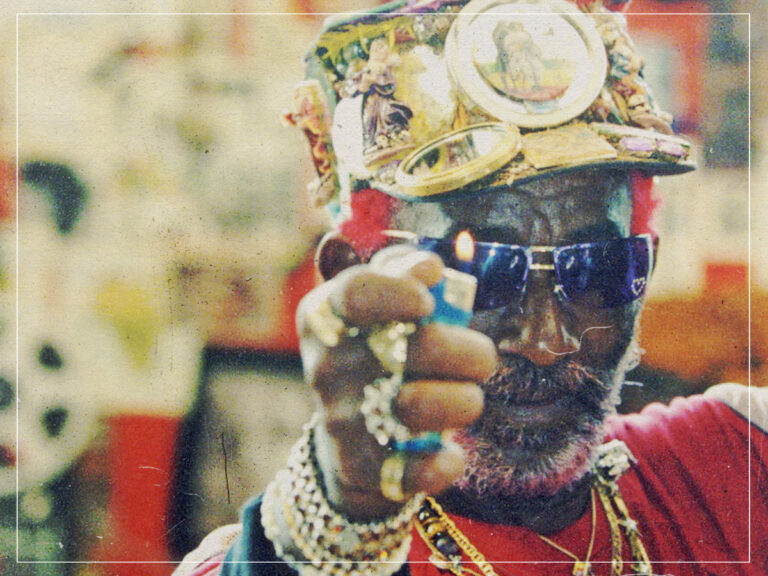
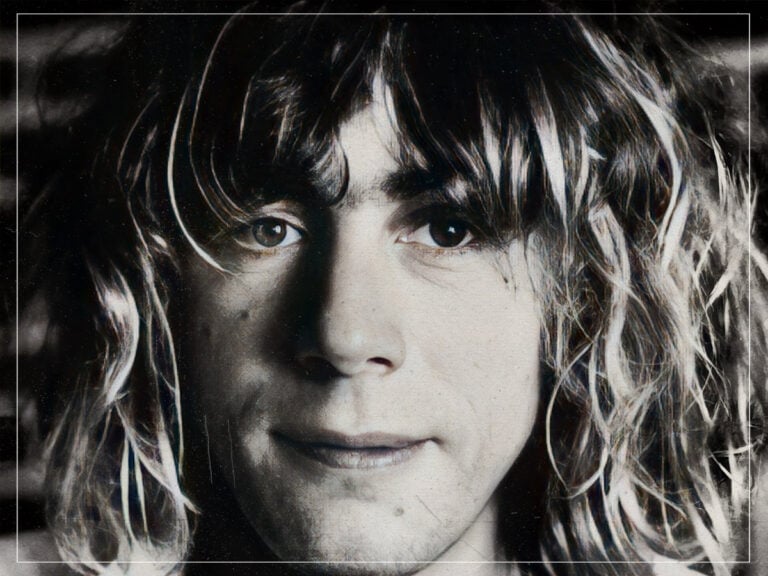
As he later reflected, in the mid-1990s, he’d “forgotten how powerful music could be,” and the only record that could pull him out of such a discouraged mindset was Young Team, mainly because, somehow, it sounded like “one person with five arms”.
He added, “It led directly to our Bloodflowers album, in that I wanted to make a record that made people feel like I did listening to Mogwai.”
Bloodflowers wasn’t exactly The Cure’s defining record, nor is it considered to be anything close to the level of perfection they executed with the other two in the family, Disintegration and Pornography. However, it did enough to give Smith the push he needed to go on to create other masterpieces, leaving him with a level of drive to strive for good, timeless art that resonates simply because it captures the kaleidoscopic nature of life itself, its positives as well as all its sharp edges.
