


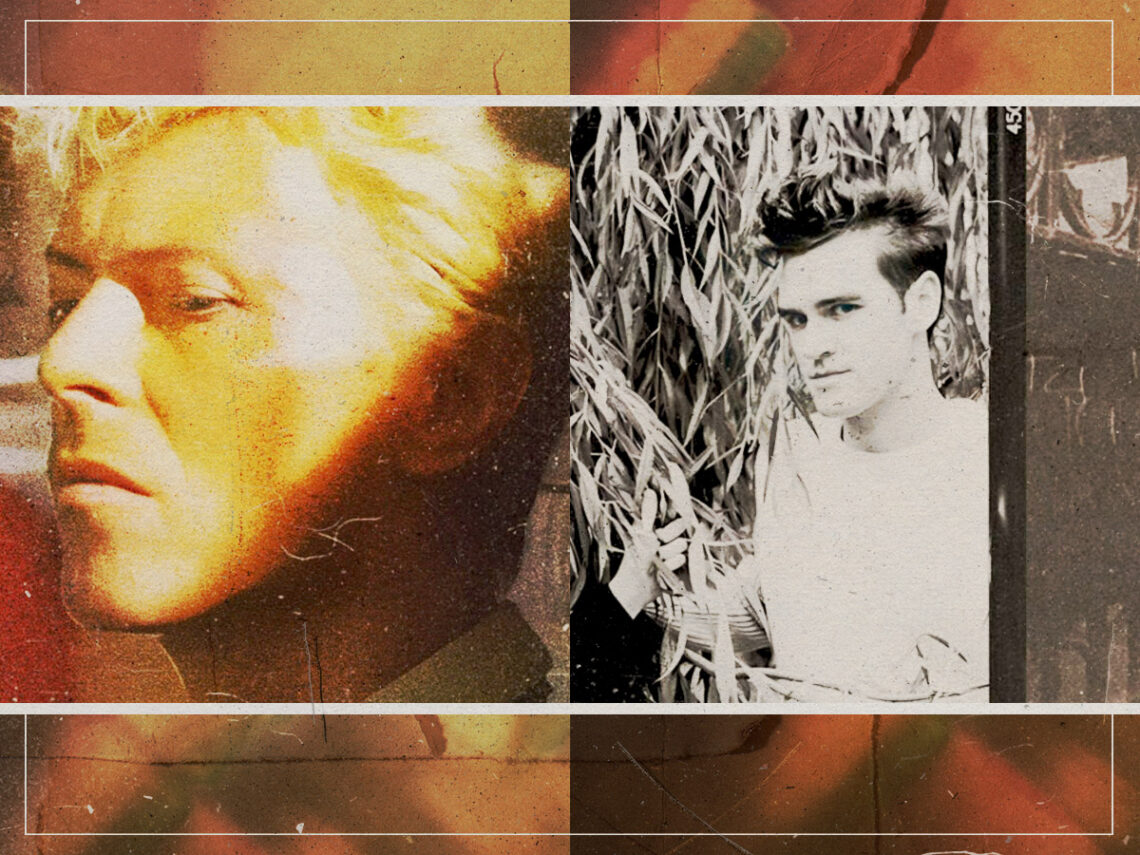
1984: What prompted the second British invasion?

If music revolved around premiere musicianship alone, then we’d all still be listening to Mozart. In the age of pop, there are myriad factors that can drive an artist to the top. Chief among them is timing. When The Beatles first touched down in the US on February 7th, 1964, the kids in America were crying out for them in more ways than one. They touched down like manna from heaven, and soon, all their friends came along for the ride, greeted with open arms by an adoring Stateside public.
These young British lads had been raised on the blues. It illuminated a brighter future for them. Tom Jones, for instance, was lying in bed with TB, unable to move for two years, when Big Bill Broonzy burst out of the radio and slapped him around the chops. His story of finding faith in music was a familiar one. The UK had been devastated by the impacts of two World Wars in a matter of decades, so this music that sought exultancy in hardship offered an assegai of hope for those stricken with stiff circumstances.
However, the suburbs of Liverpool or the valleys of Wales are a million miles from the Deep South. So, it took the likes of Buddy Holly, who had blended the bop of the blues with a softer form of pop, to show them that they, too, could be part of musical salvation. Soon, skiffle bands popped up all over the nation. These steadily transmuted through the influence of American rock ‘n’ roll and resulted in groups like The Beatles, The Who and The Rolling Stones.
The make-up of music in America, however, was far different. The country was booming, heading towards an industrial peak. This commercial bent applied to music. As soon as Elvis Presley showcased the future of pop culture, executives wondered how they could make maximum money out of it. Thus, alongside the likes of Buddy Holly, formulaic commercial groups also began to rise.
Then tragedy struck on ‘The Day the Music Died‘, whereby Buddy Holly, Richie Valens, and The Big Bopper perished in a plane crash. These were among America’s most popular and artistically sincere musicians on the circuit. A void was birthed when they sadly crash-landed. This meant that The Beatles exloded five years later in a far different sense.
America had changed in the interim years: presidential assassinations, the threat of being drafted into a war, the civil rights movement and many other factors had forced a sense of seriousness upon a generation of youth understandably looking for change. However, the music industry hadn’t changed much along with this. Motown was producing magic, but Berry Gordy had steadfastly imposed an apolitical stance upon that brilliance. Bob Dylan was emerging as a genius, but he wasn’t getting much backing. The mainstream was after hits, but the public wanted more.
Typifying this was the difference between The Beatles and their counterparts, The Monkees. Jimi Hendrix’s response to Steve Baker exemplified why the former eclipsed their native competition. “They’re one group that you can’t really put down because they’re just too much,” he said. “And it’s so embarrassing, man, when America is sending over the Monkees – oh, God, that kills me!”
The sincerity of The Beatles and their British cohorts – a sincerity borne from the fact that they were closer to the essence of the blues rather than the tricks of commercial radio – meant that they satisfied America’s craving for something a little more radical. 20 years later, the same pattern can be seen. Culture is always cyclical.
By 1984, MTV was three years old. The novelty had worn off this new enterprise. Of course, it was still booming, but there was a sense, yet again, that the public’s intelligence was being underestimated. ‘Sex sells’ was fine; it was fun, but it wasn’t going to start a revolution. So, the second British invasion got underway.

The rise of British cultural stock in the States was two-fold. Firstly, the likes of Paul McCartney, David Bowie, Queen, Rod Stewart and The Rolling Stones all caught a second wind. Even the Kinks, the most British of bands, were being re-discovered by the cool kids who were turning their back on the commercialism forced upon them and delving into the ‘pure’ past instead. This retrospection seemed to tap into the start of the nostalgia spell still firmly cast among us as an alternative future failed to materialise in the way we once thought it might.
Secondly, a huge array of new British acts from all kinds of genres were beginning to dominate over their fresh American counterparts. The feeling was that they were simply more daring and delivered greater depth. In the UK, the consensus behind this was a degree of discontent. Margaret Thatcher had polarised the nation to such an extent that the influence of politics on culture was inescapable. Even seemingly apolitical bands like Duran Duran and Human League couldn’t escape Thatcher’s influence by virtue of the fact that ‘we don’t care, we just want to have fun’ was inherently a political response.
Meanwhile, many American acts were still consumed by the notion of ‘shock’. That is all well and good, but it is a far more surface level than ‘revolt’. A song that typified this was ‘Panic’ by The Smiths. This anthemic effort was inspired by. Morrissey had been listening to the news on the radio, and he found mirth in the fact that the ungodly devistation, a clear sign of scientific progression gone awry, was followed by a disk jockey incongruously stating something like, ‘Now, here’s the gorgeous Janet Jackson with ‘When I Think of You’, yippie’, hence “hang the DJ”. Kids everywhere identified with this.
Alas, in the ever continuing cycle of culture, the American kids listening to this fresh British impetus would soon take heed of its tenets and spawn the latest trend of grunge. Then back in Britain, bands would jump on that bandwagon, until they realised it didn’t really speak to the present disposition of Europe and another divergence would occur, ad infinitum.
