


The 1984 song Bruce Springsteen thought was too “glib” to release

Over 50 years into what most would consider to be an illustrious career, Bruce Springsteen could reasonably choose to retire at any point and have a lot to be proud of.
Of course, this would be something of a devastating revelation for many who are fans of his work, with a large number of people still believing that he has plenty to offer on top of what he’s already delivered, along with the fact that he isn’t showing any signs of letting the quality of his output slide in his senior years.
Given how prominent a voice he is for social justice, you get the idea that Springsteen himself will also never consider himself done with his work, and that as long as there is something to be changed, he’ll never be done. Any advocate for justice will know that work is an ongoing thing that has to continue regardless of the conditions, with his commitment effectively requiring him to pass the baton over to someone else in the event of his death.
However, while one might think that all of the work he has done is all of huge importance and worth commending, there have been moments where he’s been unconvinced about his approach to a topic, critiquing the results of his labour as being either below standards or failing to make a cogent point.
Usually so rigorous and detailed in his storytelling, hence his frequent anointment as one of the greatest of his kind to have lived, there have been times when he’s been left unsatisfied by the results, and one notable example comes in the form of a song from one of his most popular albums.
While ‘No Surrender’ is a fan favourite among devotees of ‘The Boss’, Springsteen himself has never been full enamoured by the song, and in some respects, has reservations about the album from which it came, 1984’s Born in the USA.
During a 2017 Q&A at the Tribeca Film Festival, the songwriter revealed that his longtime guitarist, Steven Van Zandt, was the only reason why the song remained part of the album. “Stevie convinced me to keep that song,” he explained. “I remember at the time thinking it’s too glib. It’s too glib. I think I still think that. But Stevie said, ‘No, no, no, it’s about the band, the brotherhood of the band, the fans.’ I gave him the benefit of the doubt.”
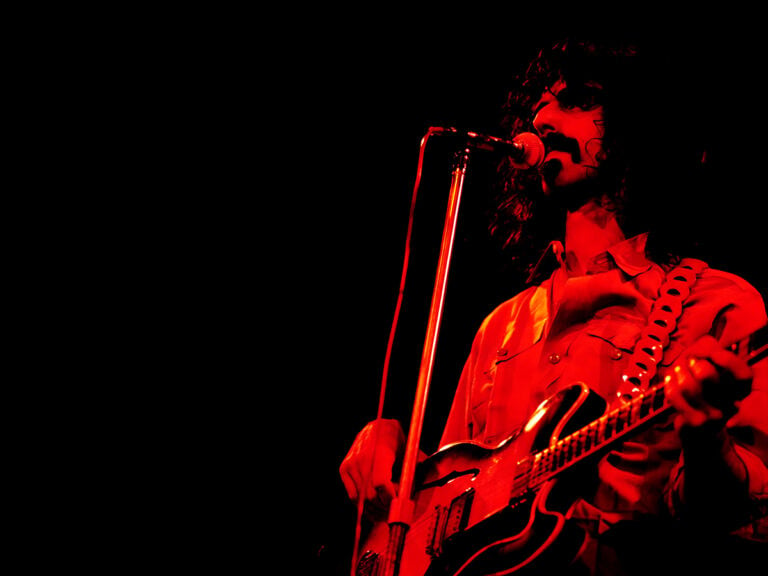


Despite his hesitance to release something that didn’t match the usual identity of his work, he did concede that it has remained one of the most popular songs in his repertoire. “We’ve played it an awful lot ever since,” he added. “But I was always a little frightened of it. And the whole record, I always have mixed feelings about.”
Perhaps worried by the more autobiographical nature of the lyrics compared to his often observational style, you can understand why he might have been hesitant, but Van Zandt is arguably the one in the right, with it having a real feel of embracing the relationship he had with his band, who were arguably just as important to his rise as the socially conscious songs he was writing.

Never Miss A Tale
The Far Out Classic Rock Newsletter
All the latest Classic Rock content from the independent voice of culture.
Straight to your inbox.