


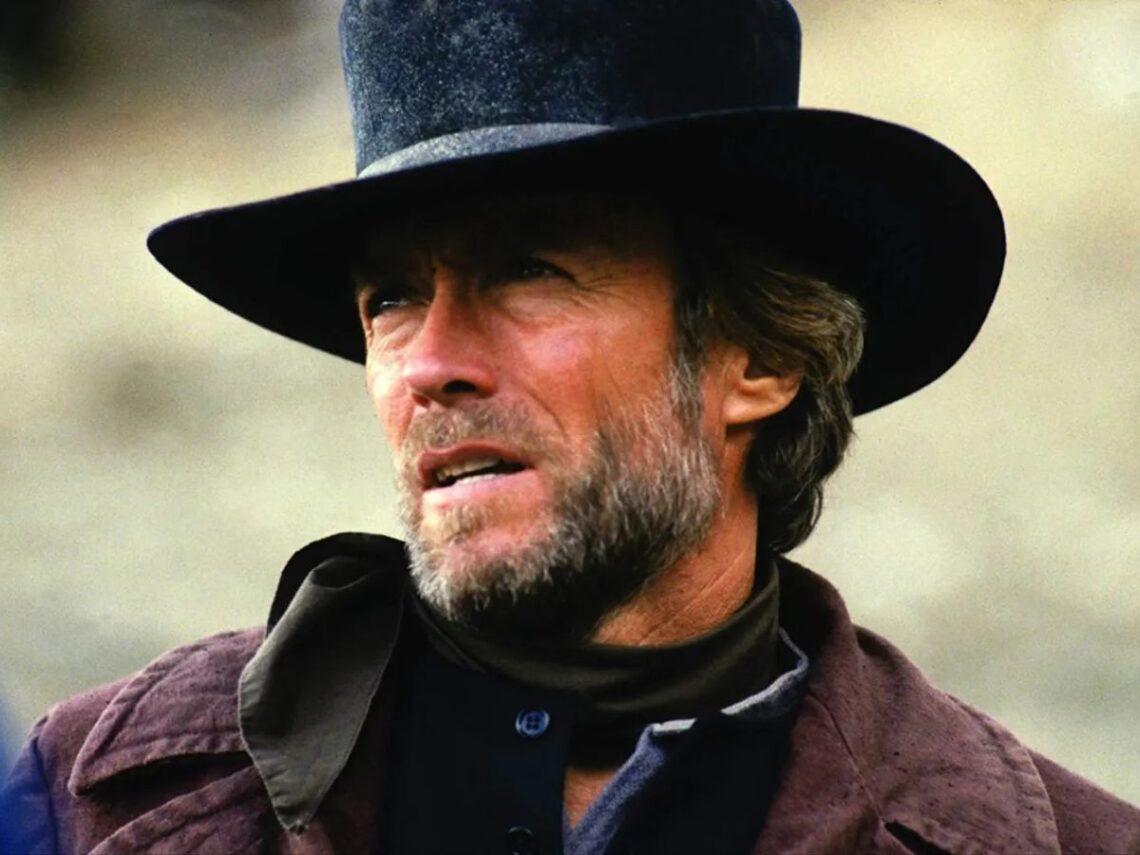
The cursed 1984 movie Clint Eastwood always regretted making: “It was kind of a fluff thing”

There’s arguably no such thing as an easy movie production, although history has shown that a shoot has the potential to snowball from ‘tricky’ to ‘cursed’ in an instant.
Clint Eastwood managed to emerge unscathed when one of his starring roles threatened to go off the rails, but the same can’t be said for several of his colleagues.
Film productions often walk a fine line between controlled chaos and outright disaster. Even projects that appear straightforward on paper can unravel due to creative disagreements, accidents or unforeseen complications, turning what should have been a routine shoot into a cautionary tale.
Since making his feature-length directorial debut in 1971’s Play Misty for Me, the four-time Academy Award-winning icon significantly scaled back his involvement in films he wasn’t directing. Eastwood has helmed 40 features since then, but he’s only acted in 14 where he wasn’t wielding the megaphone.
Half of those 14 flicks were directed by either Don Siegel, Buddy Van Horn, or James Fargo, so it would be fair to say Eastwood was fairly picky over who he worked with when he restricted himself to a strictly on-camera role. Richard Benjamin’s 1984 crime thriller City Heat was one such picture, only for the 1930s-set buddy adventure to be beset by problems.
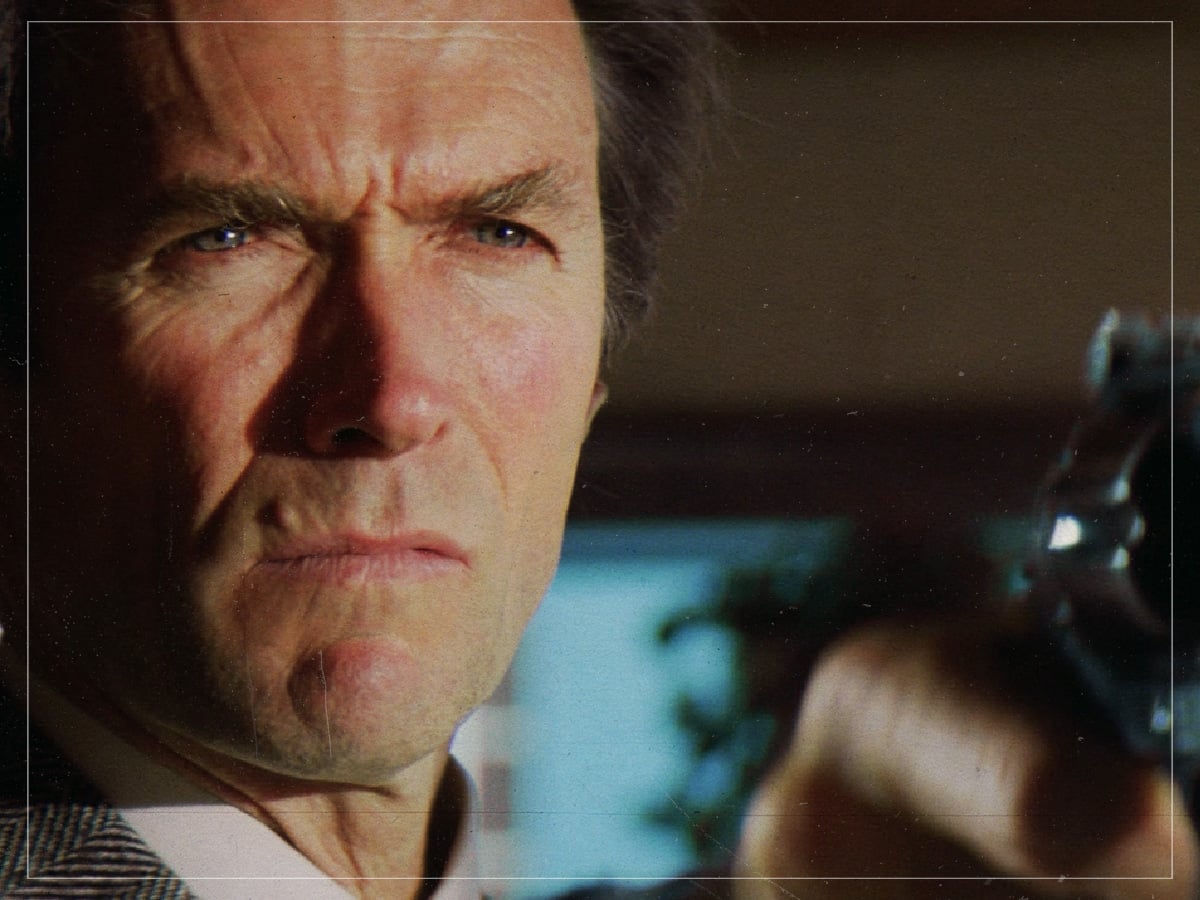
Blake Edwards wrote the screenplay and was attached to direct, only to be fired during pre-production and replaced by Benjamin. The former did manage to retain a writing credit, but under the pseudonym of Sam O Brown, and it may or may not have been a deliberate sign of his dissatisfaction that those initials spell ‘SOB’, with Edwards describing City Heat as “a horrendous experience”.
Principal photography began in February 1984 and got off on the worst possible foot when Eastwood’s co-star Burt Reynolds was smacked over the head with a metal chair during a fight scene, breaking his jaw. The star bravely soldiered through the pain, but to combat his agony, Reynolds began relying on painkillers, which became an addiction that left him in a coma and almost killed him.
Having fired its original director and then served as the catalyst for Reynolds’ descent into substance abuse, was City Heat worth it? Seeing as Reynolds earned a Razzie nomination for ‘Worst Supporting Actor’, the critical response was tepid, and the movie’s box office performance could generously be described as lukewarm, probably not.
Eastwood has always been a master of understatement, so his gruff response was illustrative when California Conversations suggested that City Heat wasn’t one of his personal favourites. “It wasn’t the strongest story in the world,” he grumbled. “It was kind of a fluff thing.”
The high-powered central pairing should have been a recipe for success, but all City Heat had to show for it at the end of the day was a disgruntled writer, an apathetic Eastwood, and an injury that changed the course of Reynolds’ life for the worse. Needless to say, the memories of the picture’s key players weren’t the happiest ones.
Looking back, City Heat occupies an unusual place in both Eastwood’s and Reynolds’ filmographies. It brought together two of the era’s most recognisable leading men yet failed to capitalise on their combined star power. More significantly, it serves as a reminder that some films are remembered less for what appears on screen than for the difficult stories that emerge from behind the camera long after the credits have rolled.

Never Miss A Tale
The Far Out Clint Eastwood Newsletter
All the latest stories about Clint Eastwood from the independent voice of culture.
Straight to your inbox.