


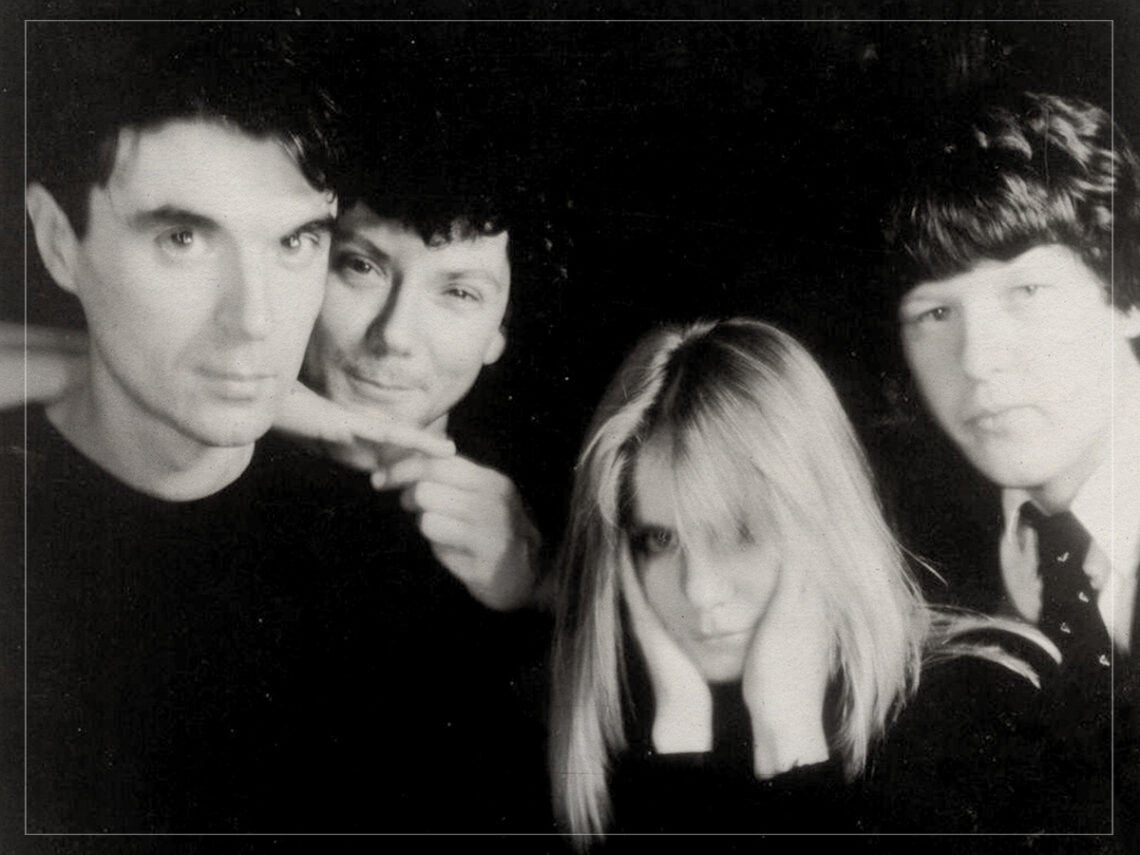
“New format”: the 1979 song Brian Eno called a “step forward” for Talking Heads

Brian Eno met David Byrne by chance, and, remarkably, he wound up shaping the entire legacy of Talking Heads.
When we think of Talking Heads now, it’s pretty clear why they became one of the most significant musical groups, not only in the same incredible new wave scene that also birthed the likes of Blondie and Television, but across the entirety of music history as we know it today.
After all, there was always a magical essence at their core, a raw, organic, contagious sort of spontaneity and enjoyment that is rare to find in today’s scenes. There was also a certain unpredictability that gave the world something truly unique, where even the rehearsed parts felt authentic, appearing inherently fun and danceable, despite many of the themes stretching far into David Byrne’s often maudlin psyche.
But that’s also why it worked so well. We rarely see such high-quality performances in today’s musical acts, both in the niche, ‘quirky’ rock scenes and the mainstream pop spaces. As a result, Talking Heads epitomised everything music could be, unifying people from all over with music that represented many underspotlighted corners of the world, creating a special place where people could belong and allow themselves to fall into the absurdity of it all, however fleeting.
Perhaps Tina Weymouth put it best when she once claimed that everything Talking Heads did was “texturally entirely different” from anything else before or since. In her mind, the success of the band was due to a “mix of people”, Chris Frantz coming from Pittsburgh and understanding “that raw Black American sound”, and Weymouth, Byrne, and Jerry Harrison bringing their own flavour of European classical music to the table.
That said, much of their success was also owed to Byrne’s stream-of-consciousness songwriting, something that came from the natural way his mind worked, and likely initially viewed as more of a challenge to overcome before learning how to channel it into his art in the right way. Which is where the much-needed guidance of one Brian Eno comes in.
Eno initially teamed up with Talking Heads for their 1978 record More Songs about Buildings and Food, but 1979’s Fear of Music is really where Byrne – and, by extension, the band – came into their own. Opening with the tribal masterpiece ‘I Zimbra’, Eno encouraged the group to embrace a more collaborative approach to idea sharing and spontaneity, similar to how Talking Heads would revolutionise diversity in collaborative settings throughout the rest of their reign.

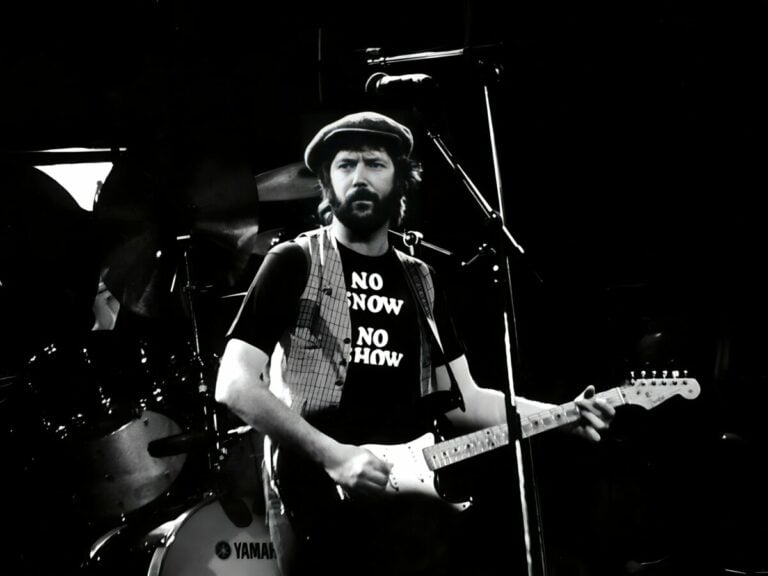

Discussing ‘I Zimbra’ with Rolling Stone in 1981, Eno credited the song with being a major “step forward” for the band, who took an approach he felt would push them to greatness. He also said the “group improvisation” dynamic saw them facing a “dilemma” because it was a “new format,” but he believed it would serve them well in the long run.
And it did. By the time it came to working with them again on Remain in Light, Eno was ready to push this even further, building on the type of artistry he’d nurtured within Byrne on previous songs like ‘Cities’, ‘Paper’, and ‘Mind’, and allowing those throughlines to blossom. And what came of it wasn’t just more of the same, but a band with a real community feel and an overwhelming ability to remain relevant through the decades.
