



The 1978 song Sting wrote about his “disappointment with Rod Stewart”

Rock and roll has always had a few cautionary tales in its wake. For every excellent redemption story in rock and roll, no one gets there without having to plough through some giant stumbling blocks that anyone has ever faced beforehand.
Although Sting has been one of the lucky few able to gently ride the waves of stardom since his days in The Police, he admitted that Rod Stewart was an embarrassment to the kind of rock music he loved.
Although Sting’s favourite genres around the start of The Police revolved around the sounds of punk reggae, he always had a vast array of influences. Even when the power trio broke up, Sting wanted to see what he could within the confines of a pop song, eventually working with giants from the world of fusion when putting together songs like ‘Fortress Around Your Heart’ from Dream of the Blue Turtles.
On songs like ‘Born in the 50s’, though, Sting was proud to be a part of a generation that still remembered the dawn of rock and roll. Up to the present day, the bassist has always shouted the praises of old-time rock and roll, reminiscing about hearing The Beatles for the first time and how much they lit his world on fire.
After the Fab Four graced the world with their presence, the British blues scene was about to get heavier. Years before the punk scene blew up, artists like Led Zeppelin were pioneering the sounds of blues-soaked hard rock. Although Sting’s searingly high voice meshed perfectly with Robert Plant’s trademark squeals, he usually gravitated towards Stewart more often.

For musicians like Sting who came of age during that explosion, authenticity mattered almost as much as the music itself. Rock and roll was supposed to feel dangerous, slightly rough around the edges and rooted in genuine emotion rather than whatever happened to be dominating the charts that year.
Stewart had once embodied that spirit perfectly with The Faces, sounding like someone who had stumbled into greatness through pure charisma and instinct rather than calculated commercial ambition.

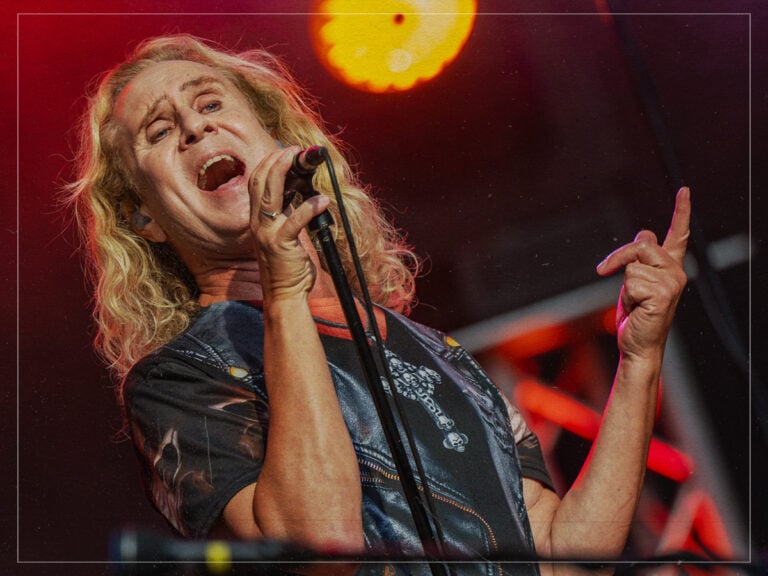

That is partly why ‘Do Ya Think I’m Sexy’ caused such a divided reaction among rock fans at the time. While the song became a massive commercial success and proved Stewart could adapt to changing trends, many listeners viewed it as a betrayal of the ragged blues-rock identity that had made him famous in the first place.
Sting’s criticism reflected a wider anxiety shared by many artists during the late 1970s, when disco’s dominance forced traditional rock musicians to decide whether to evolve with the times or stubbornly cling to the sounds that had first inspired them.
While known these days for his incredible solo career, Stewart’s work with The Faces and the Jeff Beck Group put him among the reigning gods of rock before he even had a chance to take it in. Although Stewart would have a few years before breaking with ‘Maggie May’, no one was going to hold their own next to guitarists like Jeff Beck and Ronnie Wood and not get at least a little bit of a musical education.
After breaking onto the scene with his rootsy approach to rock, something funny happened towards the end of the 1970s when disco started coming out. While the sounds of Chic and Donna Summer inspired countless musicians to try to make the most danceable music they could, many of the rock and rollers of old tended to feel like old men trying to fit in with “the youths” when making their disco anthems.
With Stewart being one of the first to throw his hat into the ring, ‘Do Ya Think I’m Sexy’ became one of the biggest second-hand embarrassments anyone could ever get from one song. Since Stewart’s raspy voice doesn’t gel with the song, you’re more or less waiting for the track to be over from the first time the organ starts.
Sting wouldn’t hold back in his opinion of the “new-and-improved” Stewart, either. When explaining the song ‘Peanuts’, Sting said it was a response to Stewart, saying, “It’s about my disappointment with Rod Stewart, who became a big joke when he used to be a big hero. I used to be a great fan of his, but something happened to him. I hope I don’t end up like that”.
While Stewart would still fill any venue that would have him until the end of time, Sting was reminding up-and-coming artists why rock sounded so vital in the first place. Disco may have been the sound of the future for a short while, but Sting knew that the real meat of good rock and roll wasn’t going to come from people like Stewart trying to shake his groove thing.
