


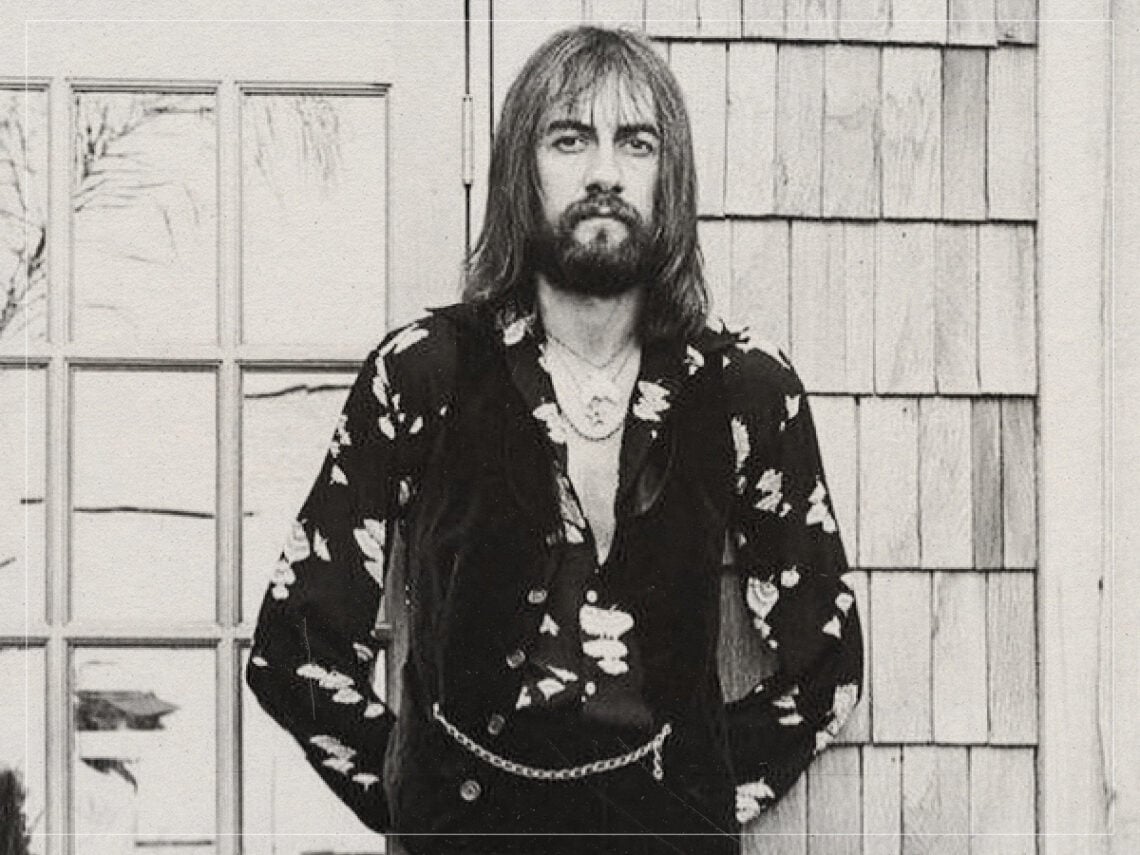
The “stupidly simple” 1977 Fleetwood Mac song Mick Fleetwood treasures most

Across a long and eventful studio career, Fleetwood Mac has crafted an extensive discography packed with more soft rock hits than most could hope to explore.
Amid changing band members, however, Mick Fleetwood remained a constant presence. Initially enlisted by founder Peter Green in 1967, Fleetwood is the sole member to have journeyed through the band’s entire lifespan.
That longevity gives Fleetwood a uniquely authoritative perspective on the band’s history. Few musicians have witnessed so many stylistic reinventions and internal upheavals while remaining at the centre of the creative process throughout.
As the anchor behind the drum set, Fleetwood lent his percussion skills to early classics like ‘Rhiannon’ and ‘Say You Love Me’, as well as the band’s monumental achievement, Rumours, released in 1977, and their sole full-length studio album of the 21st century, Say You Will, released in 2003. Spanning an illustrious six decades, his career solidifies his standing as one of the foremost drummers in music history.
Although picking favourites may seem a difficult ask for many fans, Fleetwood once provided a breakdown of some of his top picks for Music Radar. Starting with ‘Love That Burns’, Fleetwood describes the song as one that kills him: “Peter Green. Fleetwood Mac. This is probably, almost, my favourite song,” he said. “It kills me. Peter kills me. He was my friend, remains a friend, and he started Fleetwood Mac with me in 1967,” he said of the song.
“The intro, I think is one of those stupidly simple things that came from the drummer who played with Al Green and The Staple Singers, so it’s from my love of what I call ‘greasy music.’”
Mick Fleetwood
However, perhaps Fleetwood’s description of one of the band’s biggest hits seems most intriguing, particularly as he also names it as one of his favourites of all time. “‘Dreams’ is a given,” he said. “I think it’s the most famous song that Stevie ever wrote. The intro, I think is one of those stupidly simple things that came from the drummer who played with Al Green and The Staple Singers, so it’s from my love of what I call ‘greasy music.’ It has a real feel, and it’s lazy, behind the beat – stupidly simple but well-thought-out.”
Discussing another hit, ‘Go Your Own Way’, Fleetwood recalled the moment he first encountered the song: “Lindsey walked in with a demo, in his wonderfully ordered fashion from the days when he’d just joined Fleetwood Mac until he realised that John and I played in a certain way,” he recalled, “Which was compliant to the structures and aspirations of a songwriter.”

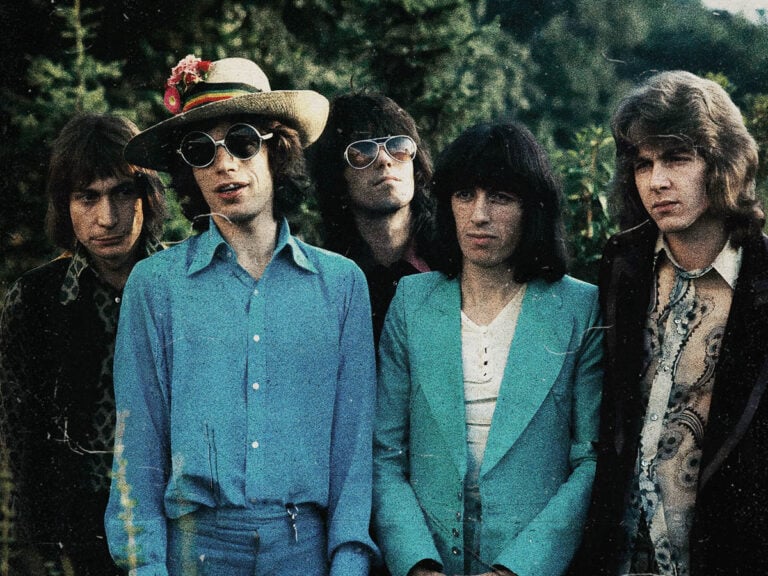

Among the standout tracks chosen for Rumours, ‘Go Your Own Way’ is a poignant, emotionally charged piece featuring a compelling instrumental section that exudes tension and raw emotion. The track culminates in a remarkable guitar solo, delivering a complete catharsis and dispelling any doubt surrounding the commercial perception linked to this album.
When looking back at the band’s catalogue, Fleetwood also admired ‘Walk A Thin Line’, considering it a song of such quality that he wishes he had written it himself. Fleetwood’s admiration for Buckingham’s songwriting highlights the creative risks taken on Tusk. Rather than simply recreating the polished formula of Rumours, the band deliberately pursued stranger and more fragmented musical territory.
This Lindsey Buckingham track, featured in 1979’s Tusk, expanded upon the drumming style reminiscent of Charlie Watts’ beats on ‘Sway’. Buckingham took charge of the intricate drum rolls himself, distinct from Fleetwood’s usual style.
Even so, Fleetwood’s willingness to allow other members space to experiment became crucial to the band’s survival. His role was often less about dominating songs himself and more about holding together a group full of vastly different creative personalities.
