


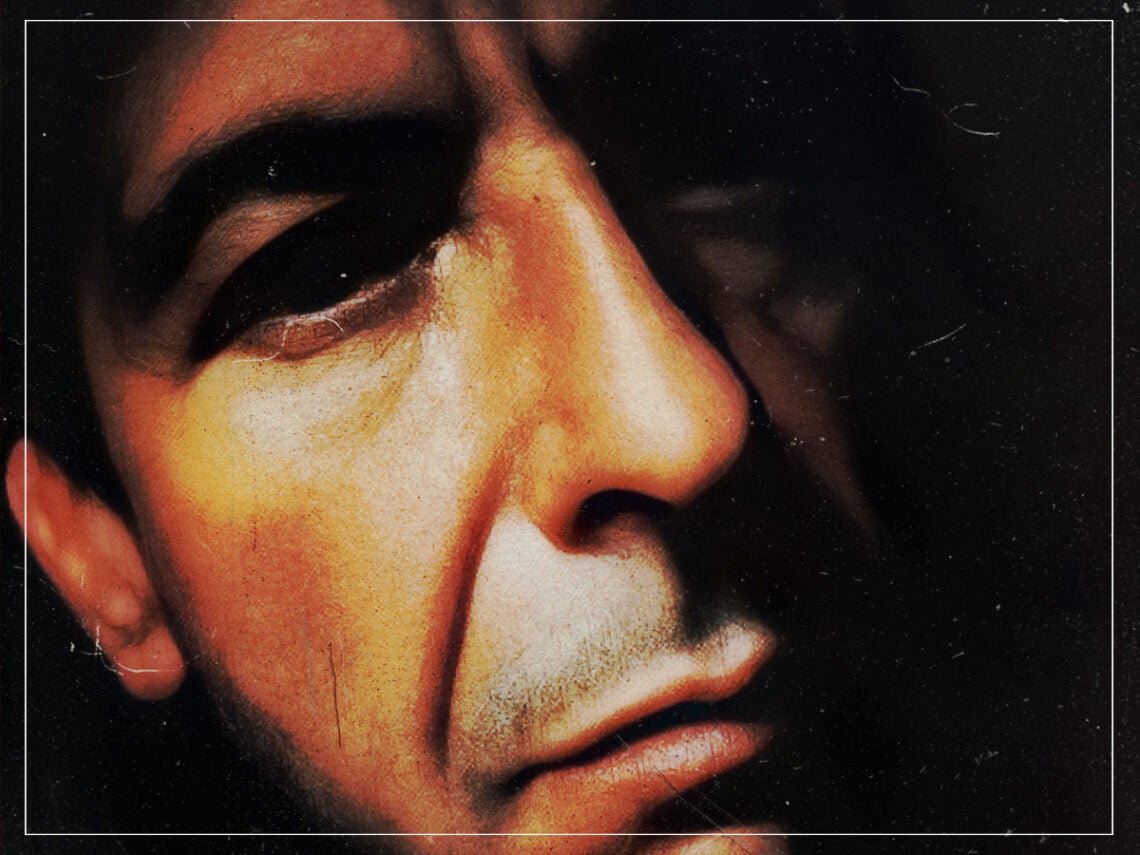
On a sunny day in 1976, Phil Spector held a gun to Leonard Cohen’s head

It wasn’t the first time infamous music producer and murderer Phil Spector had held a gun to somebody’s head, nor would it be the last.
In 1976, Leonard Cohen joined forces with the ‘Wall of Sound’ record producer to write the singer’s fifth album, Death of a Ladies’ Man. The collaboration was tough going from the start.
The pair’s relationship was already fraught with tension. Their artist approaches turned out to be fundamentally different, and their personalities even more so. Combined with Spector’s increasingly erratic behaviour, things quickly took a turn for the worse.
After a long day, all Cohen wanted to do was go home and drift into a deep velvety sleep. He’d been stuck in the same studio day after day for what must have felt like an eternity, watching session musicians come and go, drinking cup after cup of tepid, black coffee. He still hadn’t managed to lay down a single vocal track, but finally, the moment seemed to have arrived.
Cohen did a couple of takes of a song, the specifics now lost amid the gaudy drama that followed, and felt happy enough with the result that he started making his way out of the recording booth and to the control room to take a listen on the studio monitors. Spector, however, was nowhere to be seen.
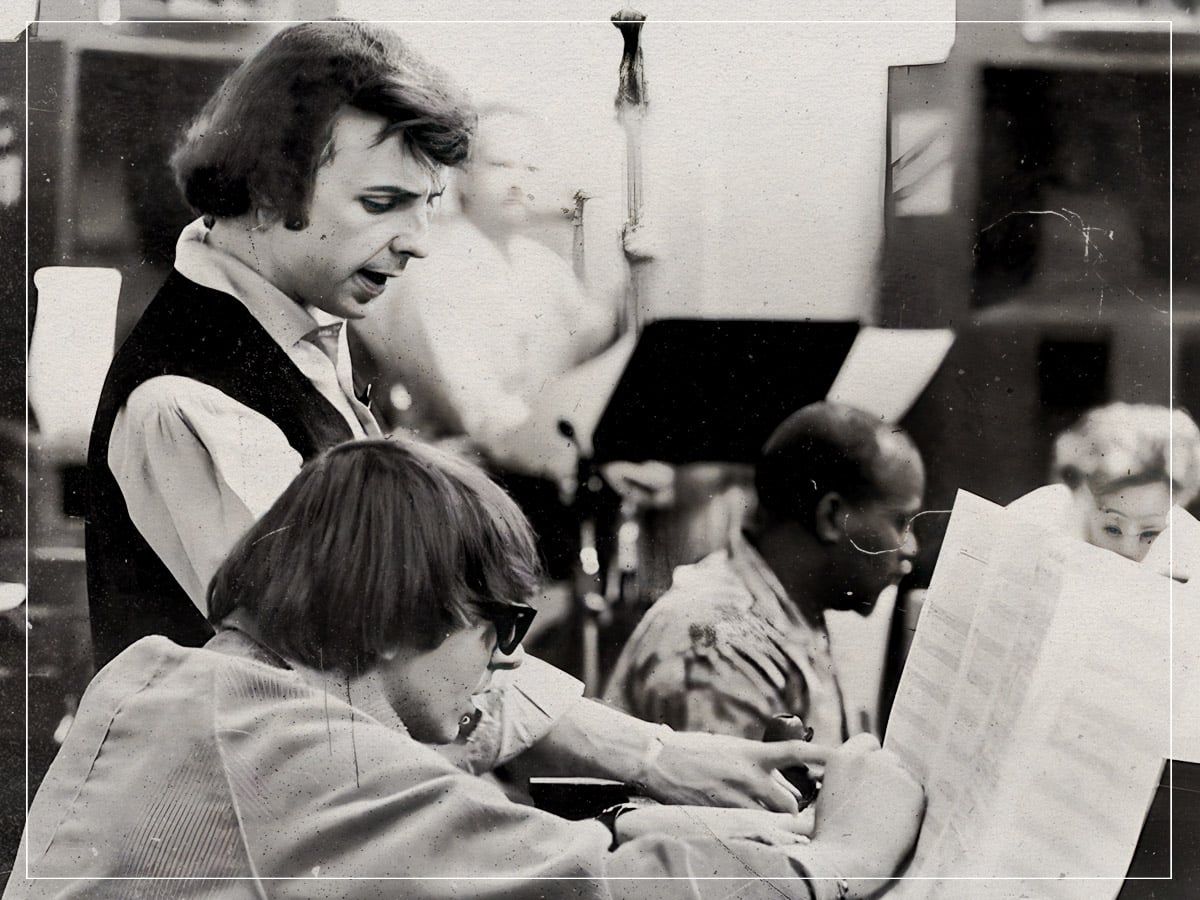
Then, from the corner of his eye, Cohen saw Spector marching towards him with a bottle of something strong in one hand and a pistol in the other. It was an incredulous sight even for Spector. The producer, dressed in a blazer patterned with marijuana leaves, grabbed Leonard by the neck and pressed the gun into the singer’s skin. Putting his mouth to Cohen’s ear, he whispered: “Leonard, I love you,” with a menacing tone.
“I hope you do, Phil,” Cohen replied. Not a bad quip under the circumstances.

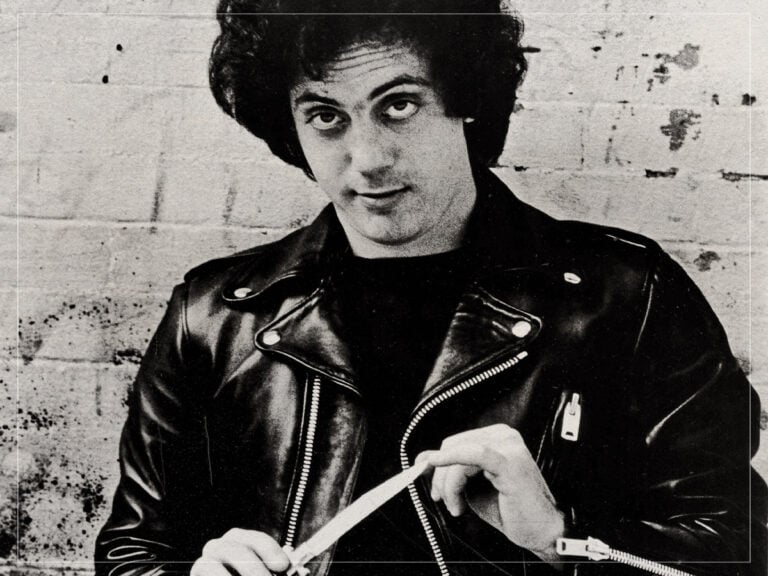

By 1976, both Cohen and Spector’s careers were going through something of a slump. Spector had made his name in the ’60s, recording immensely successful songs for the likes of George Harrison and John Lennon. But by the mid-1970s, he was in the midst of significant financial difficulty.
Having signed a $100,000 contract with Warner and failed to make any records of note, the studio wanted blood. Spector went into Death of a Ladies’ Man ready to spill it. Aside from a manic producer on the horizon, the outlook wasn’t much better for Cohen heading into the album. Following a slow and painful divorce from the mother of his children, Suzanne Elrod, the ‘Hallelujah’ singer had taken to heavy drinking.
To add insult to injury, Cohen’s label, CBS, was threatening to drop the star if he didn’t manage to break into the Canadian and European markets. In a last-ditch attempt to save Cohen’s skin, they suggested he team up with Spector for a grander take on folk. After all, Bob Dylan had experimented with a swathe of different sounds; maybe it was time for Cohen to do the same.
The collaboration, however, descended into anarchy almost as soon as it had begun. When Cohen felt the nozzle of Spector’s pistol pressing into his neck, he must have wondered what had taken him so long. The producer had already taken shots at a number of other high-profile stars, including John Lennon in the years prior to the folk singer entering his realm.
In late ‘73, Spector arrived in the studio where Lennon was recording. He was high on a cocktail of booze and amyl nitrate, and he started firing shots above the singer’s head. Enraged by Spector’s wanton destruction, Lennon shouted, “Phil, if you’re going to kill me, kill me. But don’t fuck with my ears. I need ’em.”
This should have served as a portent to Cohen. Alas, regrettably, he hadn’t expected lightning to strike twice. He would pay a heavy price for that naivety. Spector’s unhinged behaviour during the recording of Death of a Ladies’ Man would stick with Cohen for a long time.
Aside from the moment the but of a gun was placed on his temple, the singer also later recalling the terrifying occasion he bit onto a burger and found a pistol concealed between the two slices of bread. What did any of this mean? And what did any of it have to do with recording a folk album?
Not even Cohen came close to answering those questions. He was simply focused on making it out of the sessions alive. Thankfully, he did.
Death of a Ladies’ Man came out the following year and was regarded as something of a departure from the minimalist folk sound that had defined much of Cohen’s earlier records, embracing the ‘wall of sound’ approach for which Spector was so famous. On release, it was treated with nothing short of bafflement.
I’m sure Cohen felt equally confused as to why he’d agreed to work with Spector in the first place, considering the producer had eventually run off with the session tapes and, much to Leonard’s dismay, crafted the record around demo-quality vocal tracks. Yet, there is also a charm to that chaotic blend of high-production and Cohen’s usual roughshod aesthetic.
However, it took the public a while to see that. As the ‘chart performance’ section for the Wikipedia entry on the album rather comically states, “Up to 1978, the album was one of Cohen’s biggest sellers in Sweden.” That says it all, really.
For Cohen, the failure of the record was due to the insane levels of control Spector required from his partners. As the singer would recall in a 2001 interview, “It was just one of those periods where my chops were impaired and I wasn’t in the right kind of condition to resist Phil’s very strong influence on the record and eventual takeover of the record.”
So many years later, Death of a Ladies’ Man still carries the weight of that terrifying dynamic between two of American music’s most enigmatic personalities. It’s not Cohen’s best, but it could’ve been worse, it could’ve killed him.
