


A sunny May in 1976: Five songs turning 50 this month that changed music history

With over 120,000 songs released every day in 2026, you have to wonder how many of them will still remain relevant half a century down the line.
With AI slop sending that daily release figure further towards an astronomical oblivion – now accounting for roughly 40-45% of all releases – it seems probable that the economic principle of ‘volume’ diminishing ‘value’ may play a part. But in 1976, it was art that was putting the perils of our plight to rights in a very human, deeply valuable way, and much of it still lives on as a result.
By the mid-point of the ‘70s, the idealism of the previous decade was long forgotten. Violent crime had more than doubled. Rising prices and stagnant growth led to falling living standards. Unemployment rates doubled, too. All of this is only eight years on from ‘All You Need is Love’. There was much to snarl about for the punks lingering on the horizon, polishing their chains before the movement really got going. But when it did, their revolutionary ire seemed rather inevitable in retrospect.
There was every reason to dance through the darkness for the disco pioneers, too. In fact, it was a booming age of innovation in a plethora of ways for the arts. As David Bowie put it, “I think in the ’70s that there was a general feeling of chaos, a feeling that the idea of the ’60s as ‘ideal’ was a misnomer. Nothing seemed ideal anymore. Everything seemed in between.” In the nooks and crannies, many treasures were being discovered.
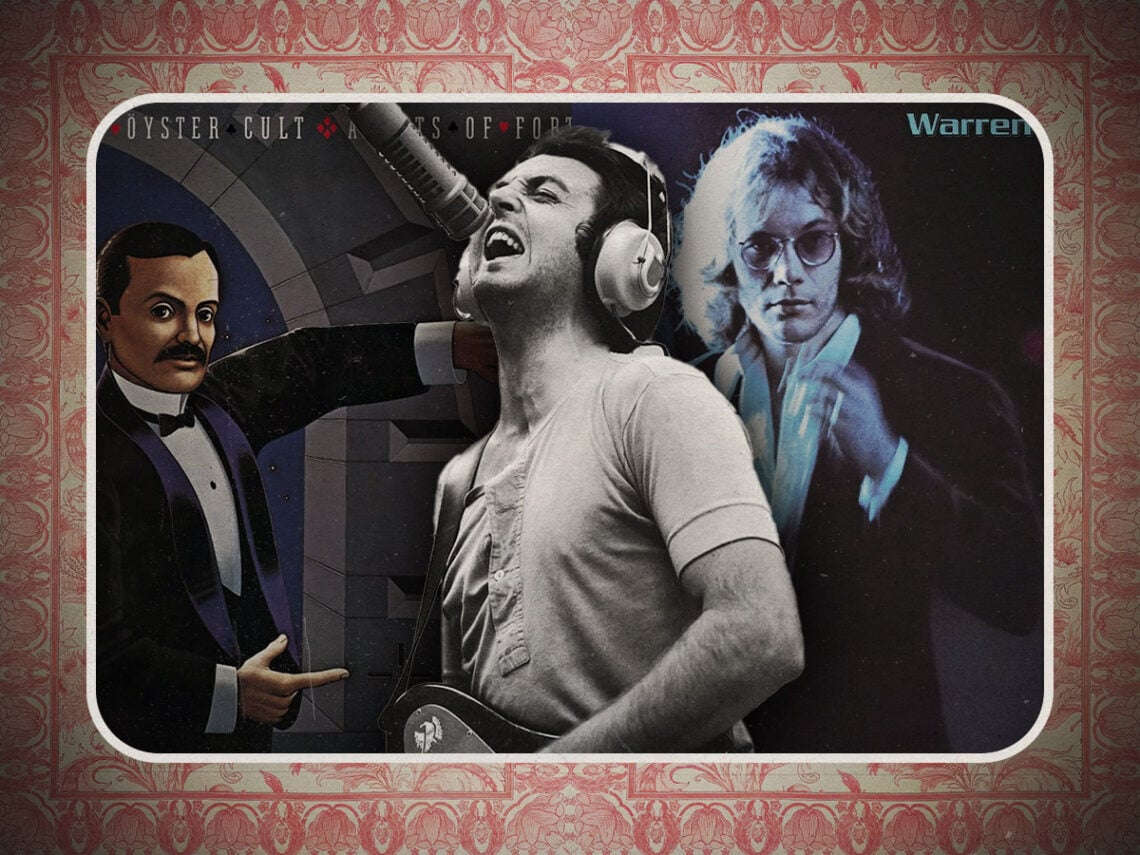
Yet, running counter to this chaos, there was a degree of order in classic rock and pop as the likes of Paul McCartney doubled down with good old catchiness. As spring sprung in ‘76, in fact, it was largely this sense of sunny pleasantry that pervaded the charts in May. And as you’ll see from the list below, there’s nothing wrong with that either.
Five songs that changed music history:
‘Silly Love Songs’ – Wings

That bassline, man. Call the track corny all you like; thousands have. But try denying that bassline on a sunny Saturday morning while the steam rises from a fresh coffee. With a wry wink, Paul McCartney copped it fair and left laughing. “The song was, in a way, to answer people who just accuse me of being soppy,” he later explained.
Adding, “The nice payoff now is that a lot of the people I meet who are at the age where they’ve just got a couple of kids and have grown up a bit, settling down, they’ll say to me, ‘I thought you were really soppy for years, but I get it now! I see what you were doing!'” Lord knows who the people bold enough to say that to Macca are, but it is a conclusion that the breezy bass on this booming track may well have ushered them towards.
The melodicism is simply so infectious that it makes a mockery of the notion that music always has to be so damn serious and responsible. What’s often missed is how sharply McCartney understood the moment. While classic rock was busy disappearing up its own mythological bearded wheeto – long solos, longer faces – and punk was on the horizon, he leaned the other way entirely. Rather than put the world to rights, he offered what he thought it needed, and he turned it into a hook.
‘Kid Charlamagne’ – Steely Dan

In 1963, the patent for LSD expired. This single admin oversight essentially spun out the counterculture movement in all of its mind-bending phosphorescence, as acid tie-dyed the streets for three legal years. The opening verse of the Steely Dan epic ‘Kid Charlemagne’ draws attention to the psychedelic gold rush brewing in California, as Donald Fagen sings: “On the hill the stuff was laced with kerosene, but yours was kitchen clean.”
There was only one place in the San Francisco valley where you could get acid of that purity. Enter the protagonist of the song, the famed LSD chemist Owsley Stanley: the premier acid man of the East Coast. Augustus Owsley Stanley III, to give him his full name, was an American audio engineer by day and a clandestine chemist also by day, night, and sometimes morning. Despite being waylaid by heady trips, his audio experiments proved so vital to the sound of the Grateful Dead that he was essentially a member of the band, the architect of their famed wall of sound.
He was, in essence, a myth. And myth is what makes ‘Kid Charlamagne’ so notable half a century on. In some ways, it is one of the first examples of the world looking back retrospectively at the 1960s, offering a groovy polemic on its vibe, with the CIA and hippies lingering at large in this unsuspecting smooth jazz history lesson.
‘(Don’t Fear) The Reaper’ – Blue Öyster Cult
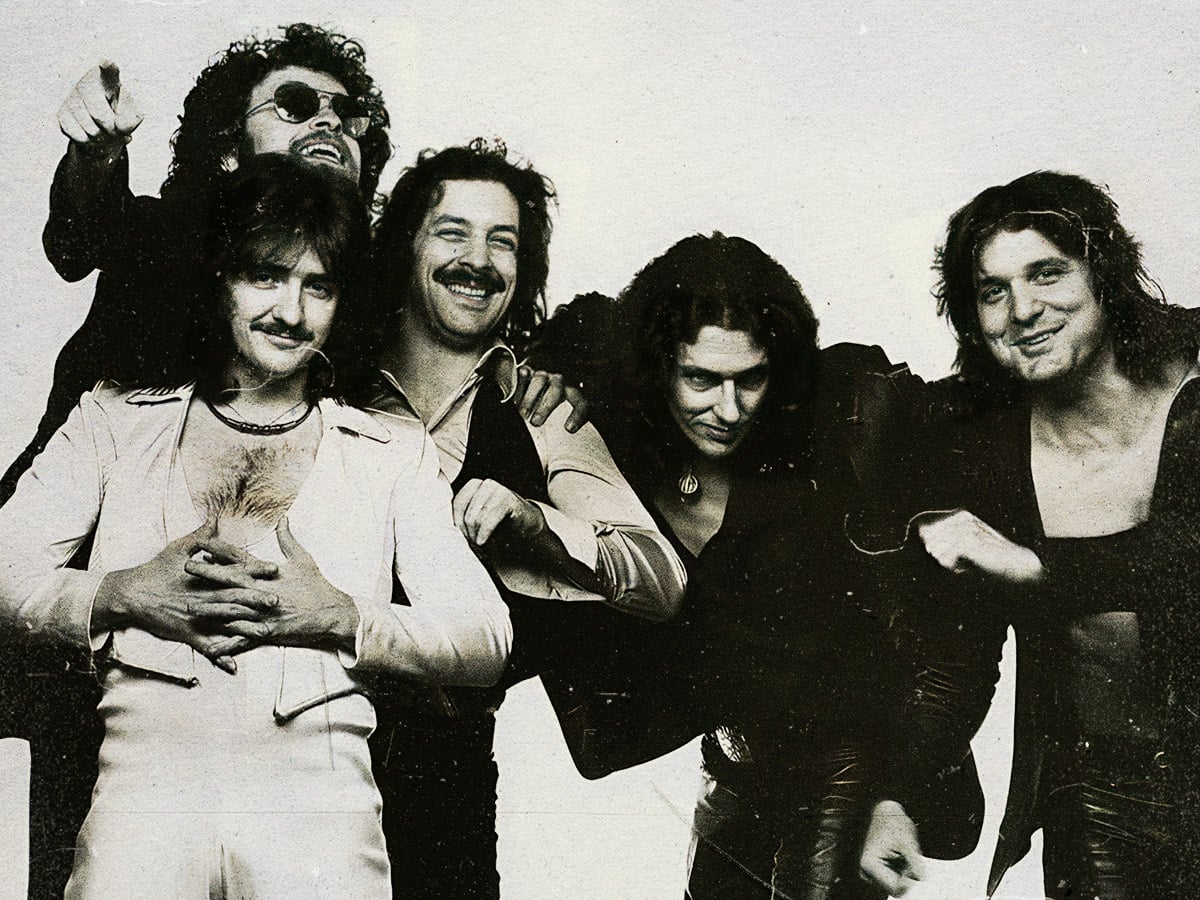
It would be unfair to say ‘(Don’t Fear) The Reaper’ has lodged itself in history because of the memeification of its cowbell usage, but it has certainly helped. Yet, dig beneath the surface of its plasticy sound, and you realise that it is indicative of the quirky choices the band were continually making and the originality that imbued them with.
Many of these choices were borne from a visceral sense of immediacy that ties in perfectly with the message of the song. Compounding that sentiment further, they had good reason to work rapidly, too. The band’s lead guitarist had recently been diagnosed with an irregular heartbeat, and he was pondering mortality a lot. “I thought I was going to maybe not live that long,” he told Songfacts.
Adding, “I had been diagnosed with a heart condition, and your mind starts running away with you – especially when you’re young-ish. So, that’s why I wrote the story. It’s imagining you can survive death in terms of your spirit. Your spirit will prevail.” In an age when ‘mind over matter’ was an unfortunate necessity, that ‘spirit’ helped it connect with the masses, and its catchiness ensures it still does today.
‘Everybody Loves the Sunshine’ – Roy Ayers
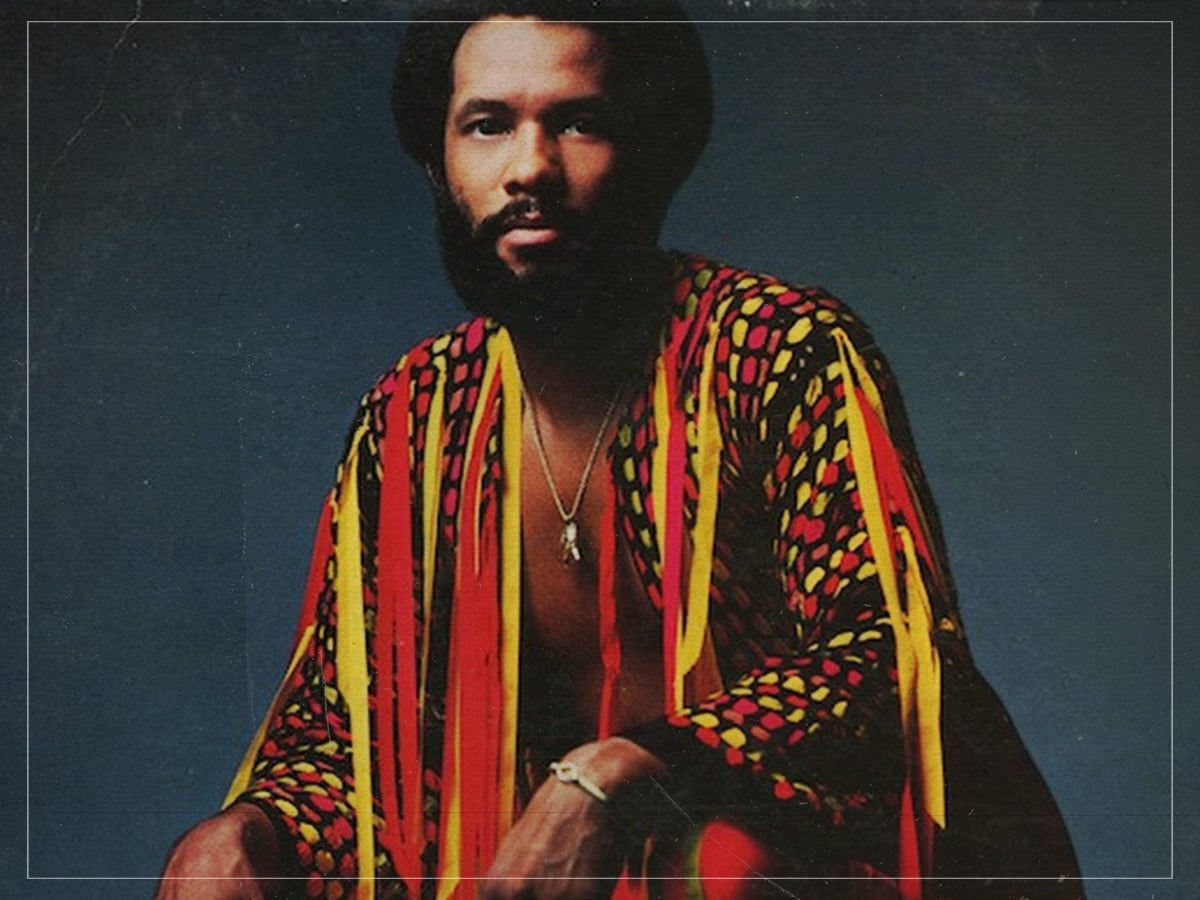
Groovier than a Harlem cocktail bar at midnight, Roy Ayers’ springtime classic of 1976 has etched its way into the history books thanks, in part, to the legion of covers it has spawned. With a proto-hip-hop vibe, the dance-inducing jam went on to inspire a whole style of laidback funk that followed in its wake. As the world was caught up in a whirl, Ayers was kicking back, just trying to catch a few rays.
Since its silken release, everyone from D’Angelo to Sue Jorge, Mary J Blige, Dr Dre, and Tupac have gone on to cover or sample the coolly iconic track. You almost get a sense of that future as you listen to it half a century on: the evident experimentation in the song feels more like mathematical discovery than merely mucking about.
As things were fracturing, Ayers found a track that focused on newness and universality. As he would later put it, “The song changed everything for me. It’s still the last song of my show. People always join in, and it’s been sampled over 100 times, by everyone from Dr Dre to Pharrell Williams. It seems to capture every generation. Everybody loves the sunshine – except Dracula.”
‘Desperados Under the Eaves’
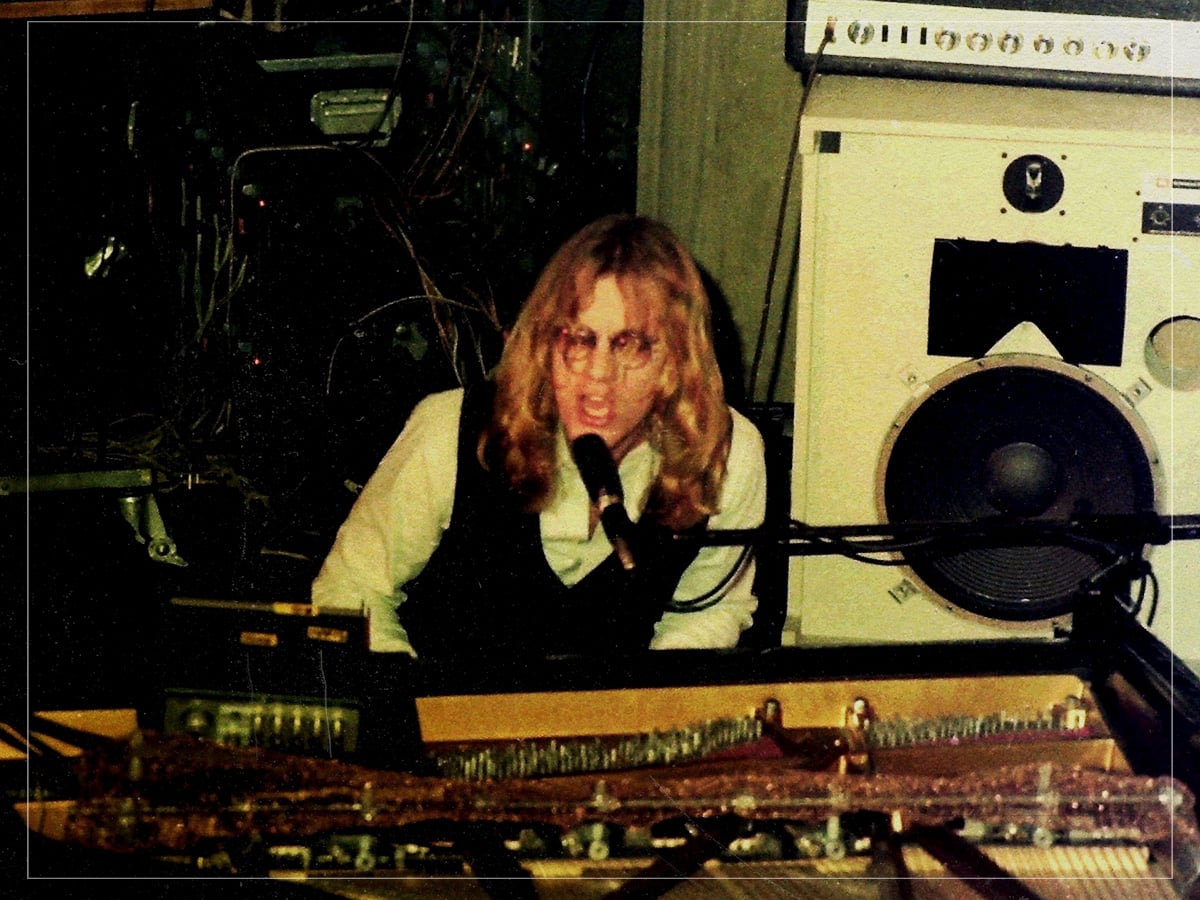
Six notable years passed between Warren Zevon‘s debut album and his self-titled follow-up. A lot had happened in that time. His opening offering had flopped to such an extent that he was dropped by his label, succumbed to alcoholism, drifted around, ending up isolated in Spain, and it didn’t seem like we’d get another release from one of America’s greatest songwriters ever again. Them’s the breaks, as I believe they say in the States.
But fate stepped in and fortuitously thrust him into the path of the rather more established Jackson Browne, who instantly recognised his talents and set about promoting him to his peers in the business. With ‘Desperados Under the Eaves’, his career was relaunched. While punk, disco, and Ayers’ experimentation might define ’76 in retrospect, for many, the emergence of Zevon may well have been its most momentous moment.
In some ways, despite its easy piano-led sound, the song is quite punky. Zevon sings candidly about his own alcoholism in a manner that was still rather taboo. The autobiographical ‘drifting’ nature of the song perfectly captured the disenfranchising from society that was impacting many of those struck hardest by the economic downturn of the age. So, while he might not snarl, perhaps this is the most historically accurate depiction of ’76 that there truly is.
