


The 1974 Elton John song that defied logic to become a timeless classic: “A load of crap”

Elton John somehow feels like the Mozart or Beethoven of the rock and roll world. He may have been known more for cutting loose and wearing outfits that made him look closer to Liberace, but John’s knowledge of complex harmony and his unique way of crafting melodies sounded closer to classical music half the time compared to The Beatles or The Rolling Stones records from a few years prior.
Part of John’s brilliance has always been his ability to merge classical sensibilities with mainstream pop songwriting. Few artists have managed to combine complex harmonic structures and grand arrangements with melodies accessible enough to become worldwide hits.
Despite this, John did have a limit in terms of when things were getting too saccharine, and as far as he knew, ‘Don’t Let the Sun Go Down On Me’ was a piece of trash.
His assessment demonstrates how differently artists often view their work compared to audiences. Songs that become beloved classics can sometimes leave their creators cold, particularly when they focus on perceived flaws rather than the emotional impact the music ultimately has on listeners.
For anyone else to say that about a song like this may have been blasphemy. Out of all the singles John had put out in the 1970s, this is pretty much as close to perfect as it gets. It has a welcoming piano intro to lead you in, and the drama of the tune feels like something that you would get out of a theatre piece rather than a rock and roll song.

It’s not like John was above making these kinds of show-stopping numbers, either. He had already made Goodbye Yellow Brick Road with songs like ‘Funeral For a Friend’, so if you’re comfortable with making that kind of grandiose statement, what’s stopping you from going full-on Broadway for a track?
While John didn’t have a problem with Bernie Taupin’s lyrics, he felt that the main melody of the tune was far too cheesy for him to sing. This was the kind of schlock reserved for lounge singers, so there was no reason to rehash the same kind of tune on the charts again.
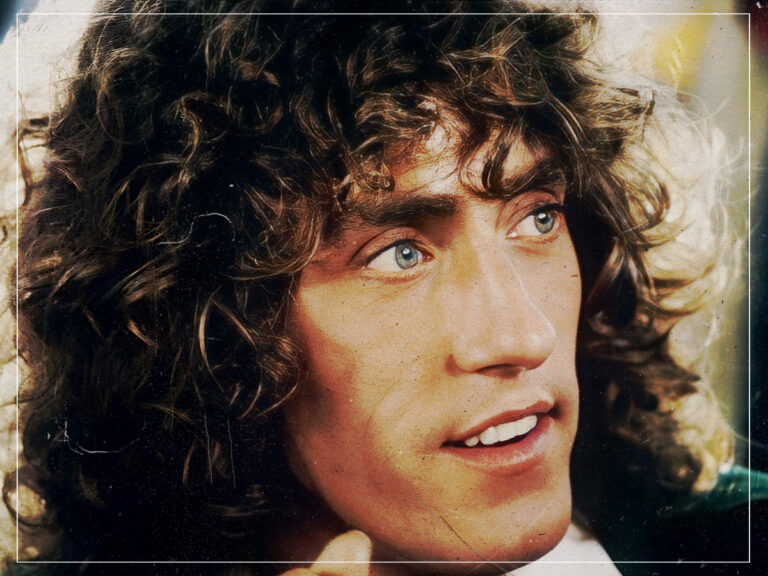


Even when he was recording it, producer Gus Dudgeon remembered him becoming absolutely miserable trying to sing the number, recalling in Sir Elton: The Definitive Biography, “On some takes, he’d scream it, on others he’d mumble it, or he’d just stand there, staring at the control room. Eventually, he flung off his headphones and said, ‘Okay, let’s hear what we got.’ When Gus played it for him, Elton said, ‘That’s a load of crap. You can send it to Engelbert Humperdinck, and if he doesn’t like it, you can give it to Lulu as a demo”.
The sight of John throwing a fit in the studio if things didn’t go his way might not be that hard to picture, but is there really a song less deserving of a tongue-lashing? Sure, it’s not his most imaginative piece, and there might be better lyrics that Taupin has written, but rarely have tracks managed to capture the feeling of someone in their twilight years like this.
In fact, John did end up getting a little bit sentimental when he was playing the ‘Don’t Let The Sun Go Down On Me’ later in life. After years of cocaine abuse, he began going through problems with his voice, which led to a procedure done to his vocal cords. Shortly before the surgery, hearing himself play a song like ‘Don’t Let the Sun Go Down On Me’ was almost too much to bear live, almost breaking down knowing that each performance could be his last.
John would live to sing another day, and his vitriol towards the song has admittedly cooled, still being a part of his setlist up until his farewell tour. Not bad for a tune that he would’ve gladly chucked out into the street if he had the chance back in the day.
Looking back, John’s initial dismissal of the song feels almost as remarkable as the song itself. What he once viewed as overly sentimental has become one of the most celebrated entries in his catalogue, proving that even legendary songwriters can sometimes be the least reliable judges of their own work.
