


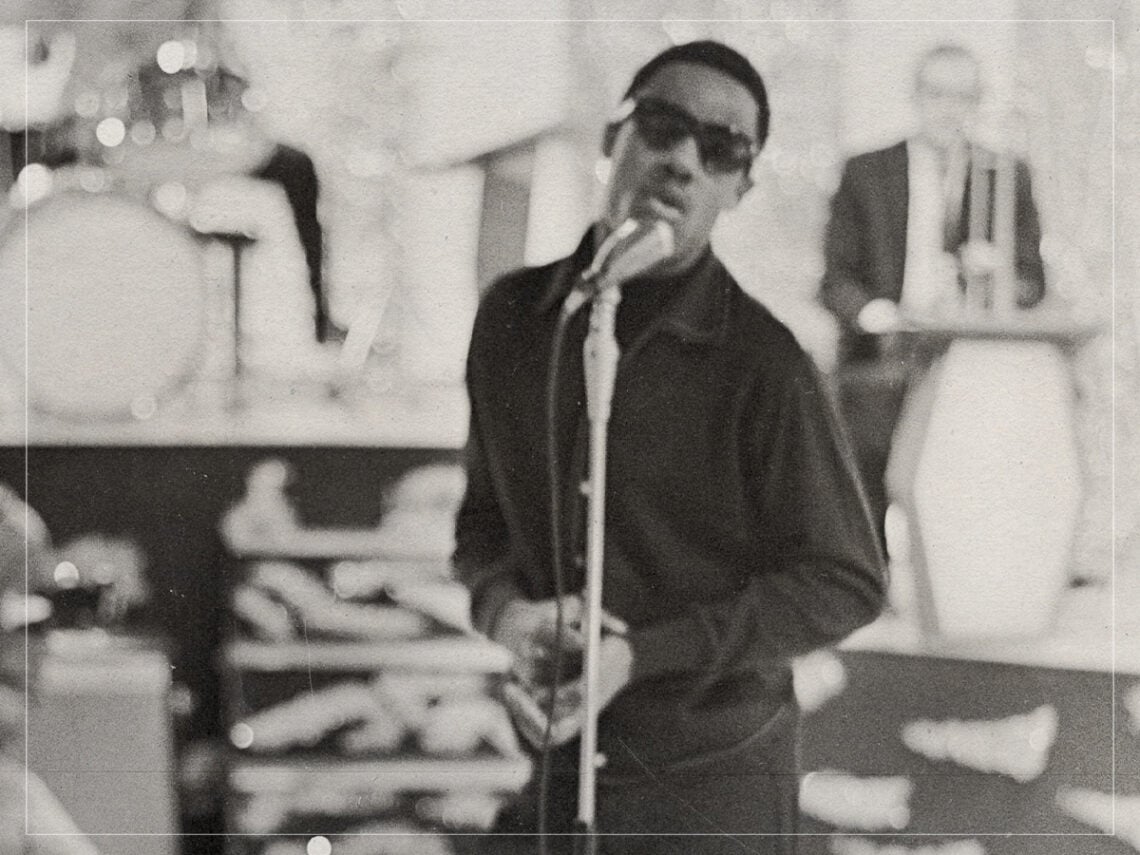
The 1972 album Stevie Wonder’s label never understood: “You’ll cause your own country to fall”

Far be it from us, or anyone else, to question the music industry instincts of Berry Gordy and Motown Records.
No other label, after all, has come remotely close to matching the incredible nature of Motown’s 1960s golden age. Even still, the label bosses could often be accused of being a little blinkered when it came to their most innovative artists, like Stevie Wonder.
Hit records were always the bread and butter of Motown’s musical empire. From the very beginning of the Detroit label, Gordy’s mind was awash with ways of breaking into the US singles charts, and within only a few years, the likes of The Supremes, The Four Tops, and The Miracles were regular fixtures of the weekly chart rundown. As the 1960s progressed, though, some artists on the roster began to yearn for something a little more daring and innovative than your run-of-the-mill pop-soul records.
Innovative musical experiments don’t tend to have the same commercial power as the tailor-made chartbusters that rolled off the Hitsville production line. Hence, when Stevie Wonder began to diversify his sound during the early part of the 1970s, Gordy and his Motown executives weren’t quite convinced of the potential.
Wonder had, after all, spent the majority of his existence signed to Motown at that point, having joined the ranks at the age of 11. During those early years in the 1960s, ‘Little’ Stevie Wonder had amassed his fair share of hits, but he didn’t have much of a say when it came to determining the sound or content of his output. Like many Motown artists during that time, he could be moulded into whatever the label desired at any given moment.
Then, crucially, Wonder re-negotiated his contract with the label in the early 1970s, affording him more creative freedom than ever before, and ushering in his greatest period as a songwriter. Although nowadays, albums like Talking Book are rightly considered untouchable masterpieces, Motown itself took a lot of convincing.
“I don’t think you know where I’m coming from,” the songwriter lamented to Motown’s executives at the time. “I don’t think you can understand it.”


Thanks to his contract negotiations, though, it didn’t really matter whether Motown bosses understood 1972’s Talking Book or not. Seeing the songwriter embrace the emerging realm of keyboards, synthesisers, and political activism, the album not only featured some of his greatest songwriting masterpieces, but its composition was totally unlike anything else being released during that period.
What’s more, in defiance of Motown’s doubts, the album quickly became a hit. Topping the R&B album charts in the US and producing the chart-topping single ‘Superstition’, the album proved once and for all that Wonder didn’t have to choose between musical experimentation and chart success.
Thankfully, in the wake of Talking Book and its unprecedented success both commercially and artistically, Stevie Wonder never really had to justify his artistic choices ever again, and the albums that followed – Innervisions, Fulfillingness’ First Finale, and Songs In The Key of Life – only continued his run of inarguable masterpieces.
