


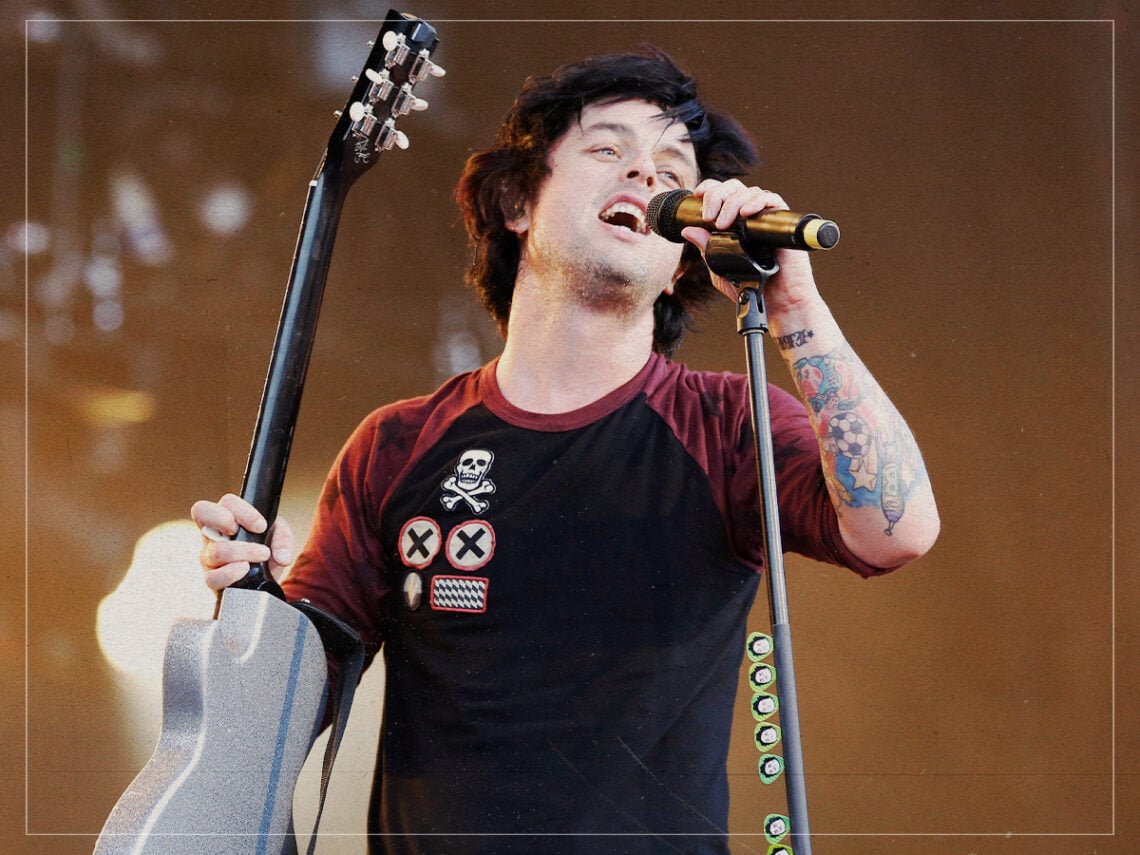
The 1972 album Billie Joe Armstrong has always wanted to emulate: “Get some good tones and go”

Despite aligning himself and his band with the pop punk and alternative rock movements of the early 1990s, it might come as something of a surprise that Billie Joe Armstrong was always trying to make Green Day sound like something completely different.
Even if you’re taking a slightly different approach to how those who came before you were known for peddling, there’s always going to be something from the past that you’re looking to emulate in some way. For Green Day, there were plenty of places they could have turned their heads towards as a source of inspiration, with them arguably rising to the top during a period where there was an open door for them to stride through with a completely novel take on rock music.
American punk acts had been active throughout the 1980s, with acts like Dead Kennedys, Minor Threat and Bad Brains being among some of the most influential, with grunge then entering the public eye towards the end of the decade and into the 1990s. Despite all of these permutations, Green Day were seemingly offering something a little different to their forebears and their contemporaries, and they were doing it as both of the aforementioned movements were coming to their natural decline.
This is arguably why albums like Dookie and Insomniac stood out to audiences, as they were being dragged in by the direct but bratty sound of the band, their ferocious riffs, and their tightness as a trio. These are all perfectly valid reasons one might be drawn to a band, but when it’s being delivered in a way that feels fresh, then there’s obviously going to be a greater attraction.
However, while this might all sound like a very calculated attempt at establishing an audience through studying recent trends, Armstrong has previously insisted that a significant amount of inspiration comes from someplace else in the past, rather than their immediate predecessors.
In an interview with Rolling Stone in 2013, he was asked about how he was approaching his songwriting at the time, given his recent stint in rehab and subsequent road to recovery from addiction, and while he acknowledged that the process was tricky for him to navigate, one album stands out to him as having all the hallmarks of what he wants to hear in his own work.
“I can only take it one song at a time,” Armstrong admitted. “I just want to write good songs that people love, which is a tough thing to do. It would be great to do another rock opera, but using more low-fi technology. I love shitty-sounding records.”
He then went on to declare his desire to work on a record that was completely live with no overdubs, citing The Rolling Stones’ 1972 masterpiece as the greatest example of this. “Sometimes I wish we would have recorded our last records that way – that Exile on Main Street feel, where you just get some good tones and go.”
While the clarity and polished production of some of Green Day’s work is arguably what has made them stand out rather than there being a raw and loose feel, to hear the band attempt something with the raucousness of the most stripped back of The Stones’ classic records would have been a welcome turn for the band, and one that fans would no doubt be salivating at the prospect of.

Never Miss A Tale
The Far Out Classic Rock Newsletter
All the latest Classic Rock content from the independent voice of culture.
Straight to your inbox.