


The 1970 album that made David Bowie depressed: “What this was all about”

The world without David Bowie has felt like a much darker place for the past decade.
Even if he wasn’t making the same kinds of hits that everyone was used to back in the day, his final years with us produced some of the finest work that any artist of his generation had ever attempted, even down to him putting his death into his art on Blackstar. But even if ‘the Starman’ tackled every single creative challenge with the same sense of bravery, it took someone with nerves of steel to create some of his favourite records.
That’s not to say that what Bowie was doing was easy by any stretch. Half of the music he made during his prime is still some of the most outlandish things to have come out of the 1970s, and even if the underground was making more advanced music and going in strange directions, the fact that an androgynous rock and roll alien was becoming one of the biggest artists in the world was certainly a change from The Beatles and The Stones a decade earlier.
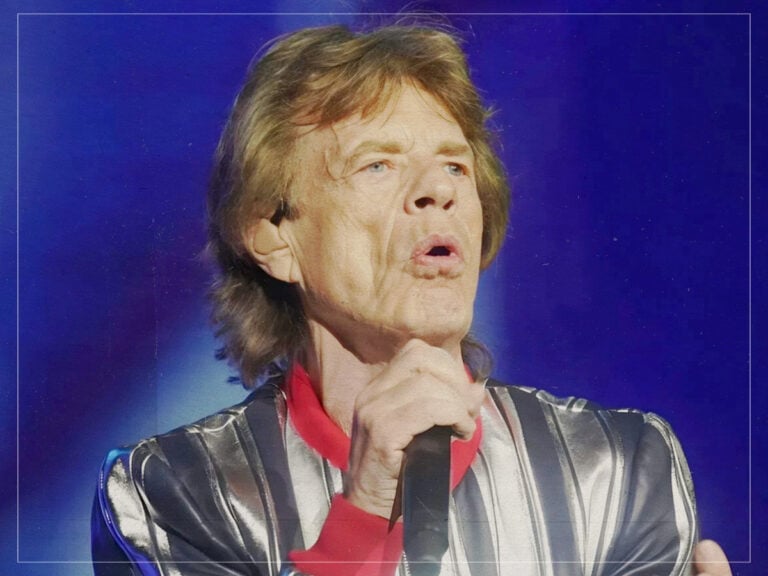
This was the sound of someone breaking down the conventions of rock and roll, but that didn’t mean he couldn’t appreciate the giants of British rock. We all know now about him getting just a bit too comfortable with Mick Jagger every so often, but when you look at his relationship with John Lennon, Bowie seemed to see another maverick who was looking to push themselves whenever they made a record.
Because even when he was in the Fab Four, Lennon didn’t want to be known for making by-the-numbers rock and roll, he could write the odd fun song here and there, but after 1966, half of Lennon’s work was defined by the personal angle he brought to everything. He wanted to make music that challenged the audience like Bowie did, and even if ‘Revolution 9’ was one of the strangest things that the rock world had ever heard, that was only getting us ready for when he released Plastic Ono Band.
Everyone had thought they had The Beatles figured out by that point, but even after Two Virgins, Lennon’s proper solo debut was when he really stripped himself down for the rest of the world. Having gone through therapy, every other song on the record feels like him trying to process his grief, anger issues, and inner feelings in real time, which makes every song feel like a massive gut punch.
And while Bowie could get incredibly low listening to this record, he could still acknowledge that it was a masterpiece, saying, “He left his band, and he was doing his first solo album, and I found it rivetingly depressing. So I really enjoyed playing it to myself. Very good piano, I think it’s Billy Preston, actually. Growing up and being angry, that’s what this one was all about.” And that was only the beginning of that kind of angle in Lennon’s music.

Everyone tends to grow up and realise that the world was a lot more screwed up than they realised, but Lennon wasn’t going to lash out for the rest of his life. He had a platform, and the most that he could do with it was be honest about himself, whether it was talking about his calls for love and peace around the world or rallying people around causes that would benefit the entire world.
We didn’t have him nearly long enough to see what he could have been doing years down the road, but Bowie knew that he could carry on the same kind of spirit that Lennon had when making his own records. He didn’t see himself being quite as big as the former Beatle, but if Lennon could speak his mind and get away with it every time he sang, why couldn’t ‘The Starman’ do the same thing?
