


The 1969 movie Stanley Kubrick said would take “two or three months” to shoot but didn’t happen at all

In 1968, Stanley Kubrick released 2001: A Space Odyssey, exploring the threat of technological advancement and human evolution for a deeply philosophical and prescient film that even today, decades on, remains extremely relevant thanks to its AI antagonist, HAL.
You’d think that after making such an expansive film, with a depiction of space so realistic that many people accused him of being responsible for faking the moon landing, and incredible visual effects, like that hallucinatory light tunnel sequence, Kubrick would need to take a break, but the master wasn’t about to slow down.
In fact, he was ready for an even bigger project, something completely different, considering that he’d been working on Space Odyssey for several years before it was finally released, and the project he was eyeing was an epic biographical drama, but it never came to fruition.
Kubrick’s Napoleon biopic is often referred to as one of the greatest films never made, although he took much of his research and poured it into his 1975 film Barry Lyndon, instead, which is an indisputable masterpiece, but it’s still a massive shame that we never got Napoleon, because it seems like it could’ve been his magnum opus, perhaps even more era-defining than Space Odyssey.
Interestingly, though, Kubrick was adamant that this epic would take no time at all to shoot. Ignoring the fact that years of research, special effects, and post-production were required to bring his sci-fi film to the big screen, the director proclaimed that his next project would be done in just a few months.
“We hope to begin the actual production work by the winter of 1969, and the exterior shooting, battles, location shots, etc, should be completed within two or three months,” he told Joseph Gelmis, “After that, the studio work shouldn’t take more than another three or four months.”
Of course, that was extremely wishful thinking, and he seemed to assume that the logistical challenges wouldn’t cause any additional delays, either. “We’re now in the process of deciding the best places to shoot, and where it would be most feasible to obtain the troops we need for battle scenes,” the director explained, “We intend to use a maximum of 40,000 infantry and 10,000 cavalry for the big battles, which means that we have to find a country which will hire out its own armed forces to us; you can just imagine the cost of 50,000 extras over an extended period of time.”
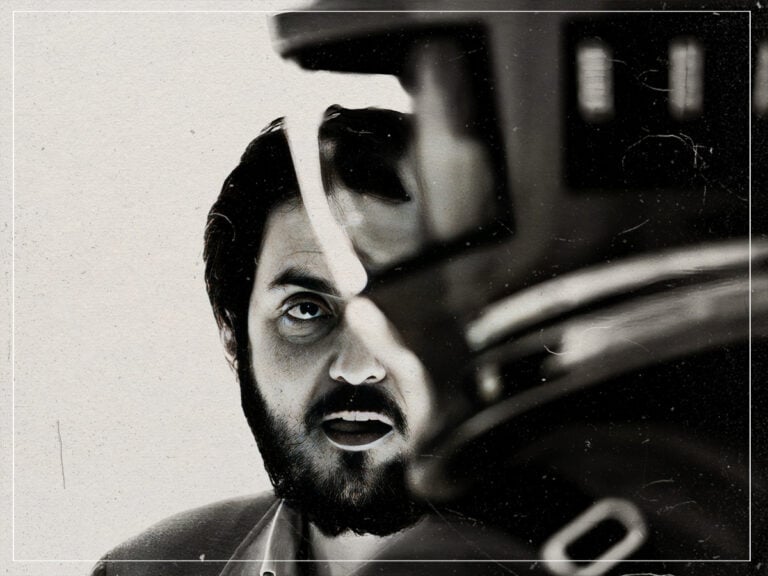

The project just wasn’t meant to be, though. MGM weren’t convinced that the project was going to be a success, what with the recent failure of Waterloo, a similarly themed film that had flopped. The film had utilised large groups of troops with thousands of extras, and despite the success of Space Odyssey, MGM just couldn’t take the risk.
Luckily, Kubrick’s extensive research into Napoleon wasn’t all for nothing, thanks to Barry Lyndon, but it’s interesting to consider how confident he was about the movie working, only for it to completely fall through.
