



“The greatest”: How one 1968 song debunked the American Dream, inspired Bob Dylan and Billy Joel, and transformed songwriting

There is a rich vein of American songwriting that centres on extracting the profound from the utterly ordinary. Bob Dylan and Billy Joel are among the masters of this craft.
On Dylan’s side, there are lines like “20 years of schooling and they put you on the day shift” and “Marry me a wife, catch rainbow trout / Have a bunch of kids who call me Pa, that must be what it’s all about” that mercilessly debunk the American Dream with sordid subtlety.
And Joel has tracks like ‘Scenes From An Italian Restaurant’ about the prom King and Queen living the teenage dream, never knowing that they could ever “want more than that out of life”. But storied ambitions made it clear that attritions would plague their matrimony days with strife.
So, they “got divorced as a matter of course”, and Joel’s song shone light on how ‘making it’ is never quite enough because there’s always more ‘making it’ to be done. Life isn’t as linear as the American Dream suggests, and Dylan and Joel have been the foremost purveyors of that truth. So, it is little wonder that they are both deeply attracted to the coracle of calm amid the carnage that Glen Campbell’s engineer manages to muster as the humble protagonist of ‘Wichita Lineman’.
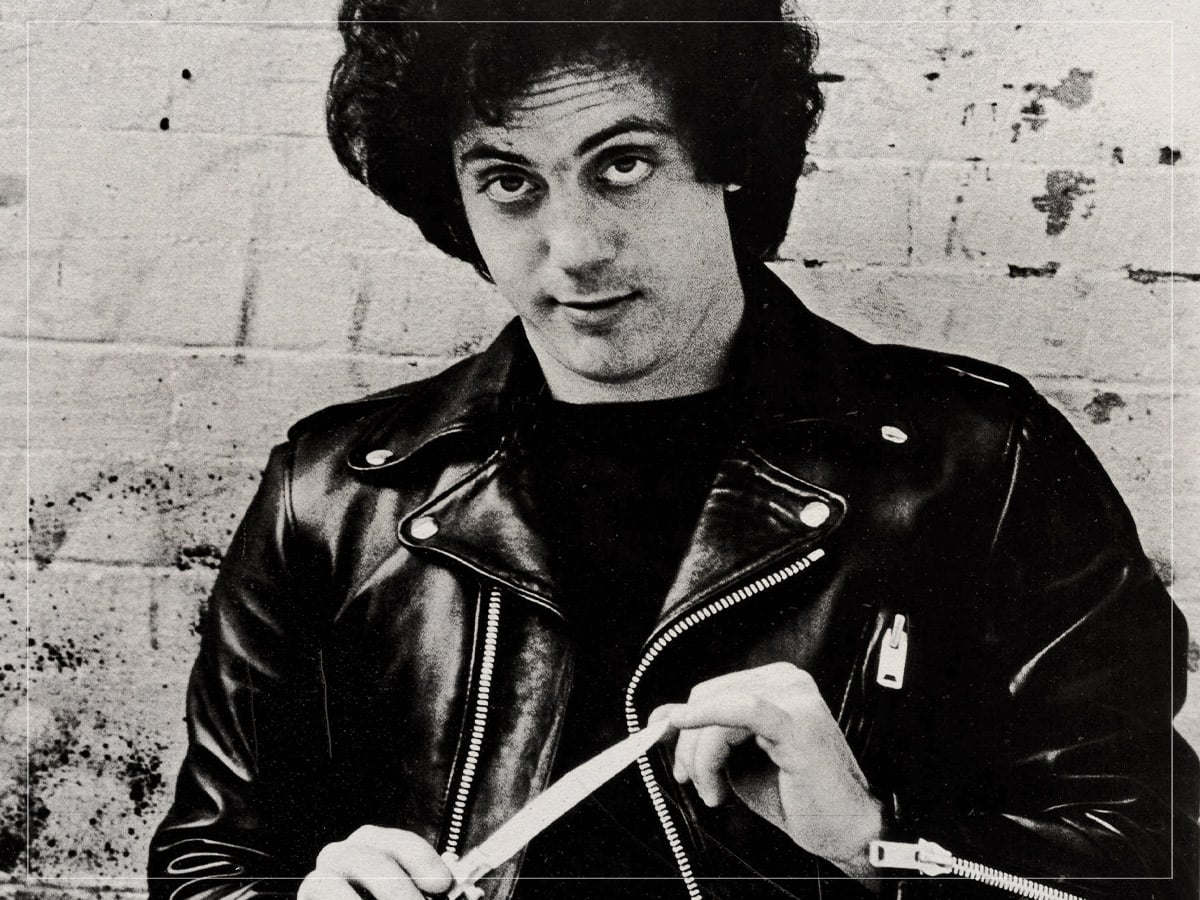
“If I could write a song as good as ‘Wichita Lineman’, I’d be a very happy man,” Joel told Bill Maher.
He was so inspired by the Jimmy Webb-written classic from 1968 that he even attempted to try his hand at a similar tale of a dignified workman wearily going about his ways. “I tried,” Joel explained, “There’s a song called ‘Stop in Nevada’, I was trying to write ‘Wichita Lineman’. I was thinking, ‘Midwestern guy climbing a telephone pole with the barren fields of Kansas. How do you evoke that? How do I write that?’”
Dylan must’ve wondered much the same more than a few times to have been confident enough to proclaim that it was “the greatest song ever written” when he was asked to provide a testimony for Dylan Jones’ novel on the unfinished track. Bob’s venerated name offers a lot of weight to such a proclamation, and Joel’s isn’t far behind. But, in truth, it isn’t hard to argue that Campbell’s ode to the American worker and their honest struggles mastered the form.
You can be listening in a cafe in Croydon on a wet Tuesday in November, having your ear talked off by Carole, but suddenly, ‘Wichita Lineman’ comes on BBC Radio 2 and you’re adjusting a spanner under the baking Kansas sun, thinking about home.
While the track is rife with symbolism, it’s this distinct sense of imagery that sets the tone. Just as Dylan evokes a cabin in Utah to talk about the virtues of the oft-neglected quiet life and Joel journeys into a mid-range inauthentic Italian restaurant to tackle the vicissitudes of a mutual midlife crisis that often besets marriages, the specific placement of the lineman helps to make his tale seem real and relatable.
That’s something Joel and Dylan have always deployed. Joel has written the likes of ‘Downeaster Alexa’ about a fisherman toiling away in an industry where everything seems to be pitted against him, something everyone from music journalists to green grocers can relate to. Dylan has ‘North Country Blues’ about life in a failing mining town that more universally taps into a grander sense of existing within austerity.
These songs make sense of the fact that most people aren’t chasing glory, they’re just trying to get through the day with a little dignity. There’s a great sense of poetry to that which Joel and Dylan have mulled over for a lifetime. But rarely has this style of song debunked the American Dream with more truth and grace than ‘Wichita Lineman’.
But it is not a trifling detail that the song was a hit, too. It hit third in the US and seventh in the UK, making it clear to the likes of the Eagles that easy AM radio listening didn’t have to be defanged. The bliss wasn’t ignorant with this classic track, and Don Henley took note, going on to hail Campbell as one of ”the greatest musicians this country has ever produced”. A legion of songwriters were in agreement, and suddenly they had a blueprint for a sweeter way to get a cutting point across.
Amid soaring strings, we can also find a semblance of hope in our humble protagonist, who achieves a degree of dignified contentment in reconciling his struggles and knowing he has something that makes them worthwhile. “I know I need a small vacation / But it don’t look like rain,” might not sound like a dream, but it’s the best we can hope for, and two American masters believe it has never been said better.

Never Miss A Tale
The Far Out Bob Dylan Newsletter
All the latest stories about Bob Dylan from the independent voice of culture.
Straight to your inbox.