


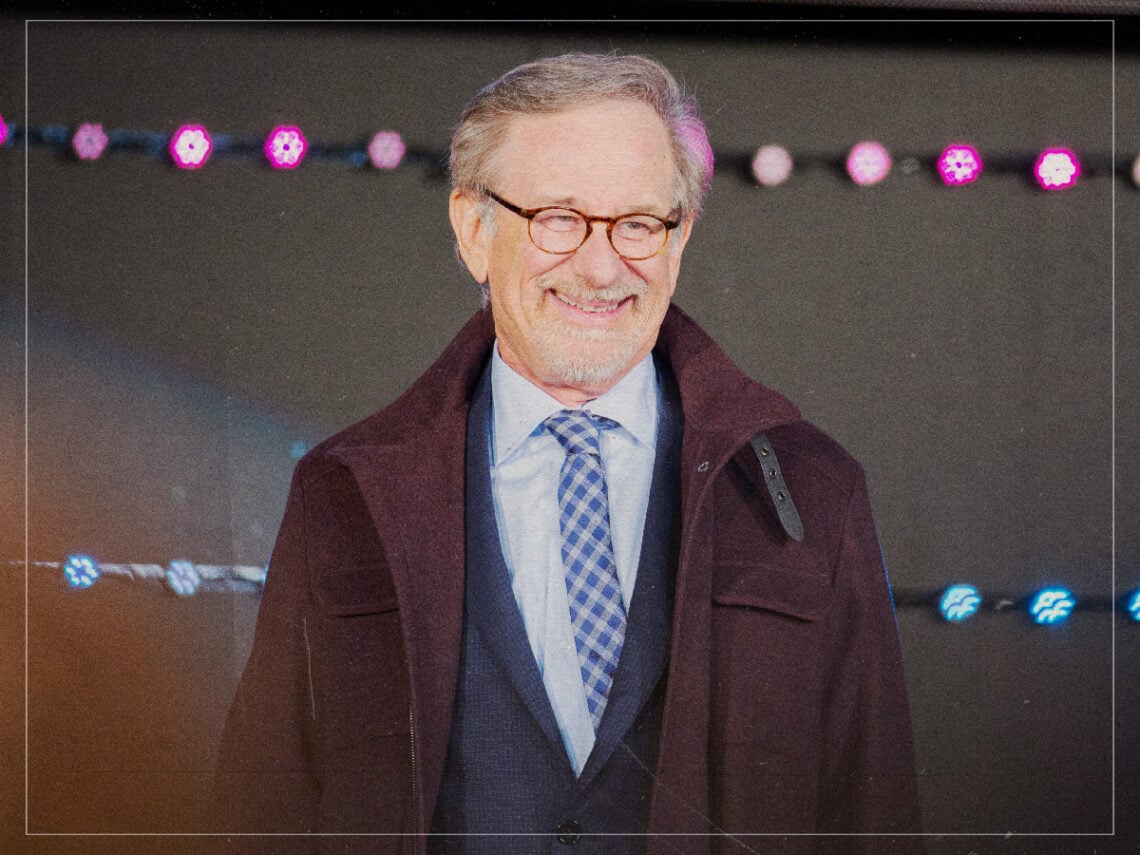
The 1968 album that finally made Steven Spielberg feel like everyone else

As Graham Greene once wrote, “There is always one moment in childhood when the door opens and lets the future in”. There is also a moment in adolescence when you’re welcomed outside into the wider world of culture too. For a rather sheltered Steven Spielberg, that was all the more vital and apparent.
Spielberg was born and raised in rural Arizona, and he recently revisited that time for The Fabelmans, an epic that returned to the wide-open fields of his youth in a dramatisation loosely based on his early years.
However, he has already ventured into similar territory in a disguised sense, as Gary Arnold of the Washington Post opined upon the release of E.T.: “It is essentially a spiritual autobiography, a portrait of the filmmaker as a typical suburban kid set apart by an uncommonly fervent, mystical imagination.”
Thus, when the swinging 1960s revolution was underway, Spielberg was out galivanting in the fields, enjoying his own exploration. “I was a teetotaler. I used to collect soundtrack albums from movies that I loved. I wasn’t smoking grass or taking LSD, though many of my friends were…I know, I know. I’m a disappointment.”
“But I was just too busy making pictures,” he once told Rolling Stone. Transfixed by the family’s 8mm home camera, he drifted towards a more lonesome life.
He was very much an outsider outside the counterculture movement. “My mom was a concert pianist, so I was raised on Chopin, Schumann, Schubert, Brahms and Beethoven. I was going to high school in Phoenix, Arizona. I was a little bit behind the curve,” he continued.
However, as we all know, his movies are not some highbrow experiment or approximation of culture. Part of the reason many of his films are so beloved is because of how well they represent our everyday lives, despite how otherworldly they might seem on the surface. So, there must have come a moment when Spielberg got to grips with the status quo.
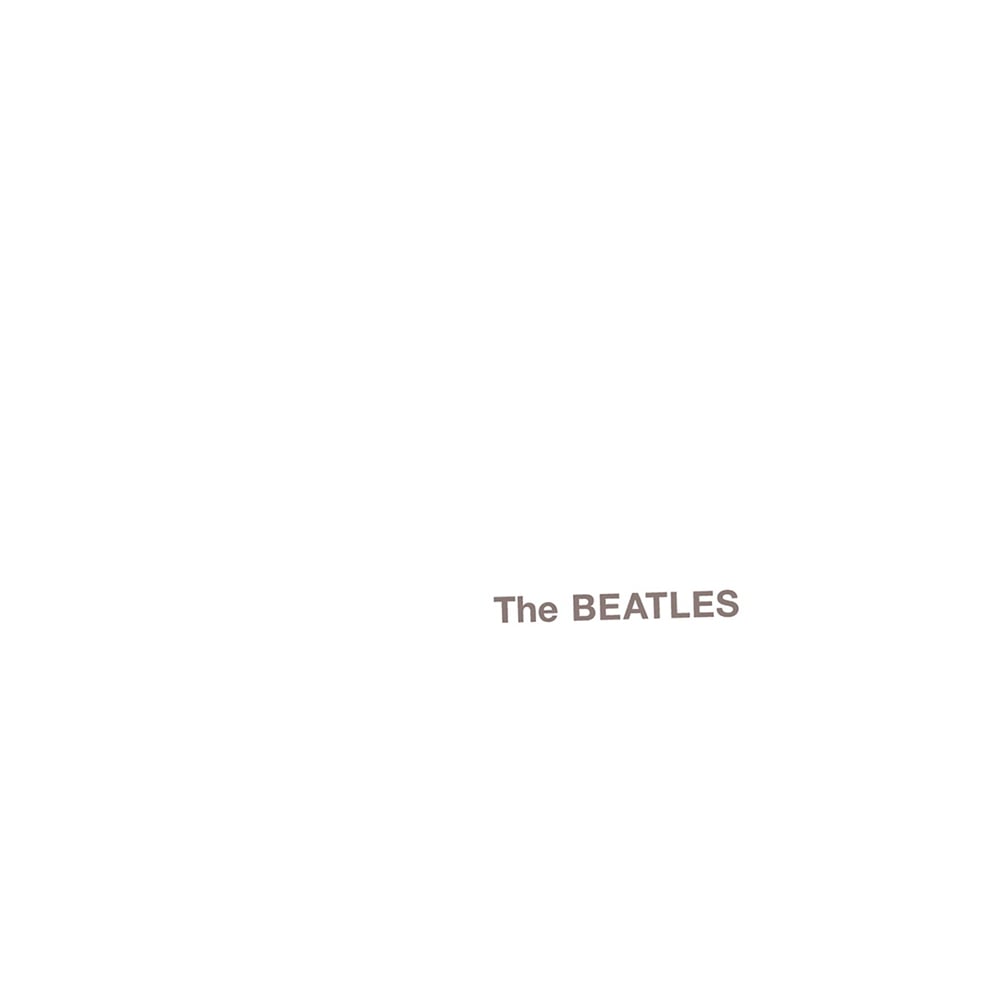
“The paradigm for change came when I moved away to college. That’s when the White Album came out and I couldn’t get enough of the Beatles. For the first time, I began to get into what was considered normal for somebody my age,” the legendary director explained.
In the past, he has stated: “I wasn’t a Beatles fan until I listened to the White Album and became an instant convert.” The record was even John Lennon’s favourite Beatles outing.
Sex Sadie and a sudden sense of belonging
Fittingly, he opined this because it put the fun back in the band. “What we’re trying to do is rock ‘n roll, ‘with less of your philosorock,’ is what we’re saying to ourselves. And get on with rocking because rockers is what we really are,” he said.
Adding: “You can give me a guitar, stand me up in front of a few people. Even in the studio, if I’m getting into it, I’m just doing my old bit… not quite doing Elvis Legs but doing my equivalent. It’s just natural. Everybody says we must do this and that, but our thing is just rocking. You know, the usual gig. That’s what this new record is about. Definitely rocking.”
It’s perhaps no coincidence that Spielberg’s greatest films are so often built around ordinary people encountering extraordinary circumstances. Having spent much of his own adolescence feeling like a croc among alligators, he developed a knack for capturing characters searching for acceptance.
While his examples are often extreme, whether it’s Elliott befriending an alien or Roy Neary chasing a vision in Close Encounters, it’s still about connection in some capacity. That same arc is reflected in the director’s own life leading up to his White Album revelation in ‘68. Finding The Beatles didn’t erase his outsider perspective, but it gave him a cultural common language that stayed with him for the rest of his life.
Fun is all Spielberg wanted to do when he got going, too. When the silver screen master was dubbed as a technician with no interest in art, he simply replied: “No apologies. The first thing I wanted to do, having been given this amazing opportunity to be a Hollywood movie director, was to have fun and to share that fun with the audience I had.”
He concluded, “I had many opportunities to deal with darker arts. And I rejected it because I was in a different place in my life.” He had found his language, and it helped him to connect. He knew full well that the very best, most enduring art does just that.

Never Miss A Beat
The Far Out Beatles Newsletter
All the latest stories about The Beatles from the independent voice of culture.
Straight to your inbox.