


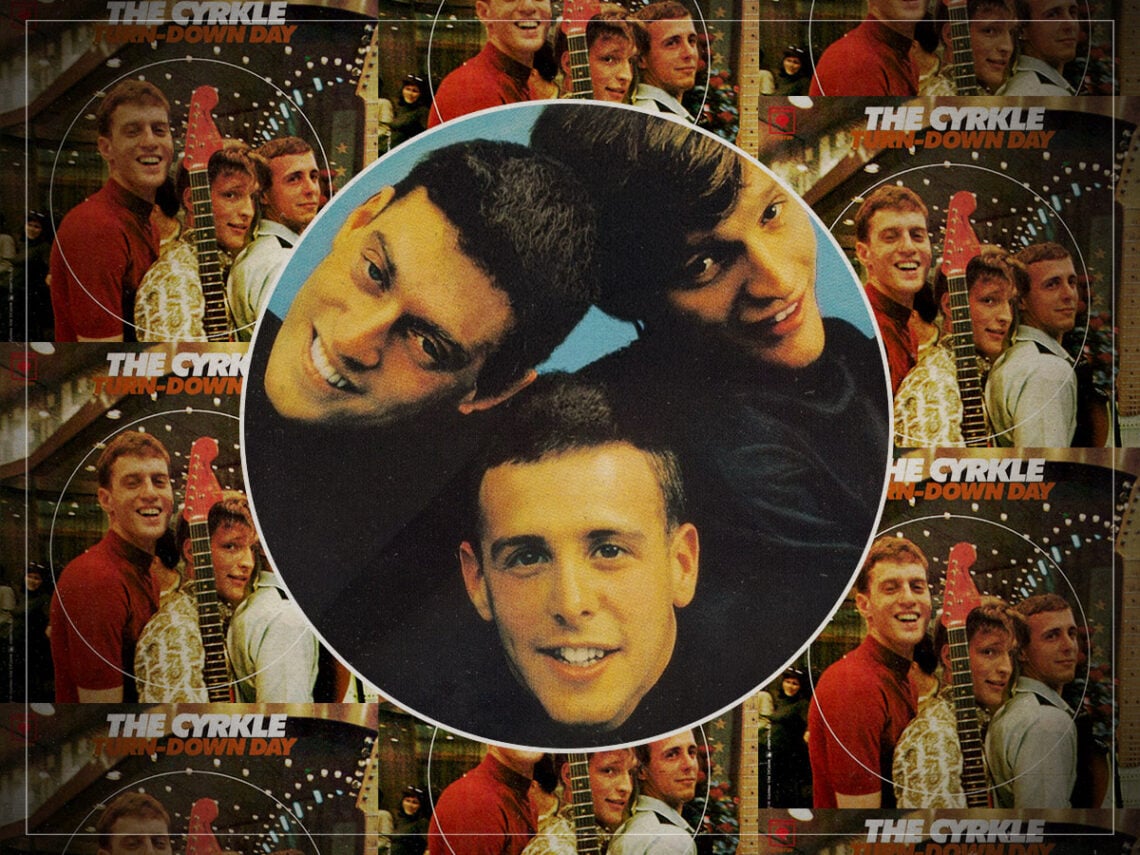
‘Turn-Down Day’: the 1966 song that proved there could never be another Beatles

As much as there may well have been plenty of acts in the years since who have repeated the same success that they had, it was never going to be possible to create another version of The Beatles while the original was still around.
The Beatles were something of a one-off phenomenon that came without precedent, and it was almost inevitable that plenty of others would try to make use of their influence in the immediate aftermath, but what’s the point in deliberately creating another band that sounds like them when they’re already filling that gap in the market?
There were other successful groups around this time, but the reason for their success was that they were billed as being the alternative to The Beatles. For example, what the Rolling Stones did during the same era was create something with perhaps a little more edge than their Scouse counterparts. But how can you know that there’s no point in trying to turn another band into another iteration of the most famous to have ever existed?
Well, there was a significant attempt to do exactly that in 1966, and The Beatles were kind of responsible for their incredibly brief stint in the spotlight. The Rhondells were just your average band playing the circuit on the East Coast of the US until attorney Nathan Weiss stumbled across their show in New York in late 1965 and immediately notified his associate, a certain Brian Epstein, of their existence, and he swiftly took them under his wing as the first American act under his management.
They were renamed The Cyrkle, spelt this way at the behest of John Lennon, and changed their sound to be a little more in line with what The Beatles were already known for. They released their first single, ‘Red Rubber Ball’, in April 1966, which was co-written by Paul Simon, and it was a relatively big hit around the world, reaching number two in the US and number one in Canada.
However, you need a bit more about you than just one single and a Beatles co-sign, and their second single only ramped up the obvious attempt to replicate The Beatles’ sound, showing that they were, in fact, quite desperate to turn the band into the American counterpart of these world-conquering Brits. ‘Turn-Down Day’ is a decent attempt at mimicry, but it’s also far from being a standout. It tries to be this laid-back adoption of hippie culture that The Beatles were about to adopt on their own summer 1966 album, Revolver, and also includes some sitar as they were on the verge of displaying to the world.
‘Turn-Down Day’ only reached number 16 in the US and Canada, and that was the final time they ever made it to these dizzy heights, with all subsequent releases proving to be underwhelming. They may have gone on to support The Beatles for a number of shows in late 1966, even being part of the bill for their final ever paid concert at Candlestick Park, but none of this was enough to rescue the band from fading into obscurity.
Had they been left to their own devices and formed their own identity away from the management of Brian Epstein, would The Cyrkle have had more longevity, or was the fact that they were being pushed to be The Beatles ultimately their downfall? ‘Turn-Down Day’ isn’t a bad song by any means, but it’s one that demonstrates just how far ahead of their competition The Beatles were, and that deliberately manufacturing another version of them was never going to work favourably.

Never Miss A Beat
The Far Out Beatles Newsletter
All the latest stories about The Beatles from the independent voice of culture.
Straight to your inbox.