


The 1964 Paul Simon song Art Garfunkel admitted was genius: “It was the sixth song Paul ever wrote”

Most artists need time to flesh out their sound before making classics. No one appears as a fully developed songwriter, and it can take anywhere from a few months to years at a time before creating that one piece that everyone is going to remember for the rest of their days. Simon and Garfunkel had already turned in time as Tom and Jerry while they were still in high school, but Art Garfunkel knew something had changed when he heard ‘The Sound of Silence’ for the first time.
Granted, it’s not like Tom and Jerry were known for making Bob Dylan-level tunes or anything. Their entire job was creating different close-harmony takes on classic tunes, whether that was covering Everly Brothers tunes or having the musical cajones to take on ‘You Send Me’ by Sam Cooke.
In light of the major divide in America, though, one of Simon’s first efforts as a writer was still miles above what anyone else could have perceived. While not a heavy song from a musical perspective, hearing Simon talk to his friend in the darkness that he visits when the world is falling apart is still as relevant today as it was back then.
Just looking at the way that every verse is constructed, it’s closer to poetry than it is to the traditional Chuck Berry-penned lyrics. Half of Simon’s best work was more than just psychedelic fodder for the kids, so hearing him be so unabashed about the state of the world and practically crying out in pain for the future generations listening to prophets’ teachings on subway walls could easily be replaced with social media walls in the modern age.
Even years later, after several feuds, Garfunkel had to admit that Simon was getting in tune with something no one had touched on, saying, “‘Sound Of Silence’ has more melodic, genius, simple power than I ever realised. As the years go by, there’s something extraordinarily hooky about that simple melody—I didn’t know that. I knew it was a good-sounding record when it emerged… It was the sixth song Paul ever wrote.”
Part of the song’s enduring appeal lies in the contrast between its accessibility and its ambition. On the surface, the melody is disarmingly straightforward, inviting listeners in before the lyrics gradually reveal layers of alienation, isolation and failed communication. That balance helps explain why audiences have continued to find new meaning in the song long after the social climate that inspired it had passed.
It also highlights what separated Simon from many of his contemporaries so early in his career. Rather than relying on slogans or easy conclusions, he trusted listeners to wrestle with the same uncertainties that preoccupied him. The questions raised throughout ‘The Sound of Silence’ remain open-ended, which is precisely why each generation has been able to interpret the song through the lens of its own anxieties.


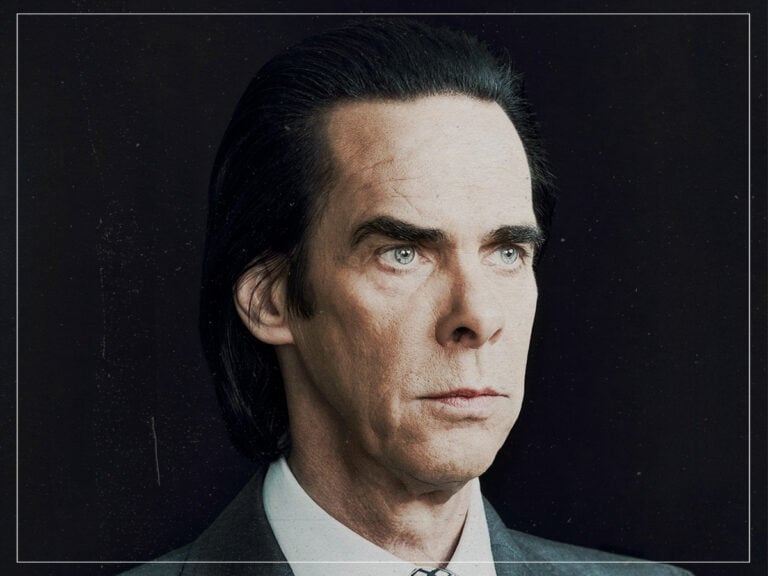
But given all of the negativity in this song, it’s not looking to brow-beat by any means. This was written by a man still in his mid-20s trying to figure out life, so it’s more likely that he was looking to pose questions to his generation rather than claiming that he had all the answers to their problems.
When listening to ‘Sound of Silence’, the point is that there aren’t really a lot of good answers to these questions. Simon very well may have thought that the world could make sense once he was older, but it’s only human nature that people struggle with relating to each other amid the darkness with each passing decade.
