


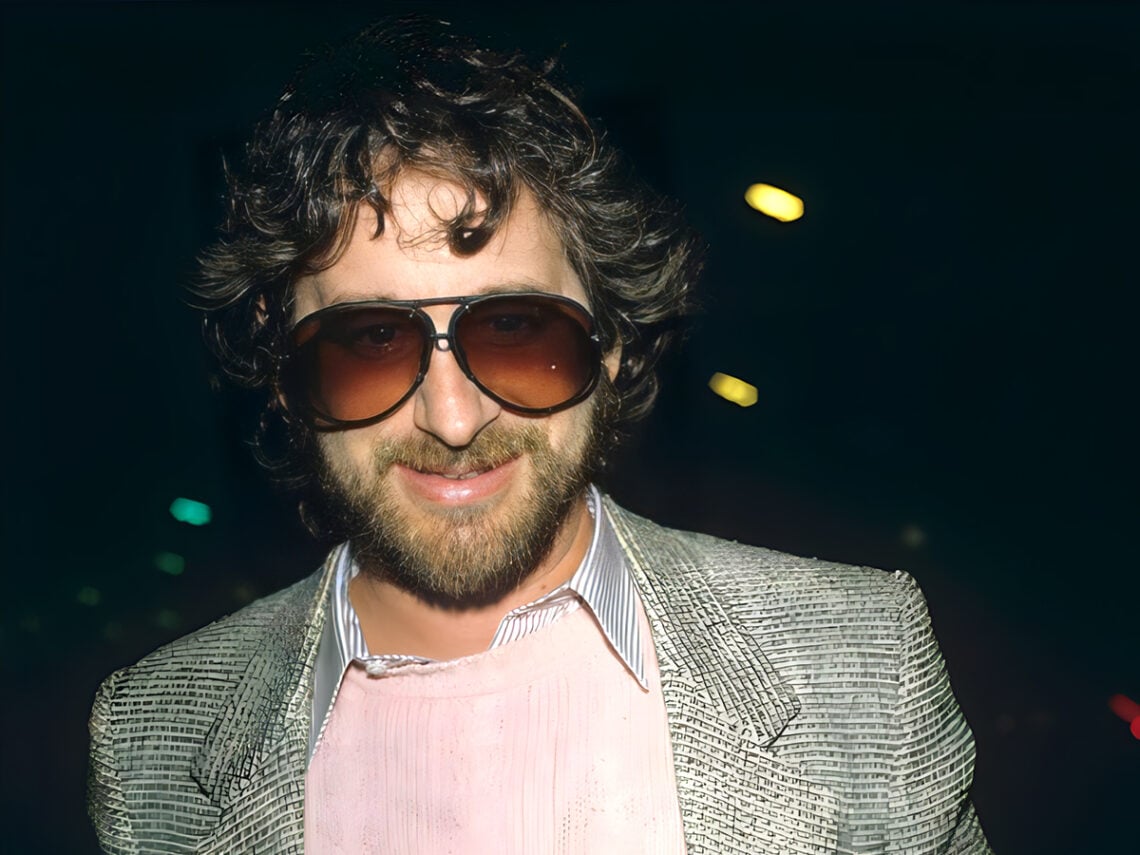
The 1962 movie Steven Spielberg has watched more than any other: “Audacious”

Few names in Hollywood carry as much weight as that of directorial behemoth Steven Spielberg. Emerging from a new crop of filmmakers who made their name in the 1970s, Spielberg would quickly assert himself as both a progressive creator and a box office smash within just a few movies.
His hit Jaws washed up in cinemas when he was only 28. Since that moment, the director has further established his legacy with every picture.
Behind cultural touchstones like E.T., Jurassic Park, Schindler’s List and many more, the filmmaker has always immersed himself in the art of movies. His recent movie The Fablemans, a semi-autobiographical retelling of his obsession with cinema, is a distillation of his emphatic enthusiasm. Being a movie fan is not only something Spielberg has always held close to his heart, but it has also helped him to perfect his own work.
He’s not for watching four movies before making any picture. First up is The Searchers, the John Wayne western directed by perhaps his ultimate directing hero John Ford. Two more are Akira Kurosawa’s Seven Samurai and the Christmas classic It’s A Wonderful Life, which speak for themselves in terms of succinct cinematic spectacle. But the final movie is not just one he watches before starting work on a new film, but has watched most of all in his lifetime: Lawrence of Arabia.
That film is David Lean’s Lawrence of Arabia, a sweeping 1962 epic that Spielberg has returned to more than any other throughout his life. Widely regarded as one of cinema’s defining achievements, the film left a profound impression on him when he first saw it as a teenager. Overwhelmed by its scale and ambition, Spielberg has often spoken about how it shaped his understanding of what film could achieve, both visually and emotionally.
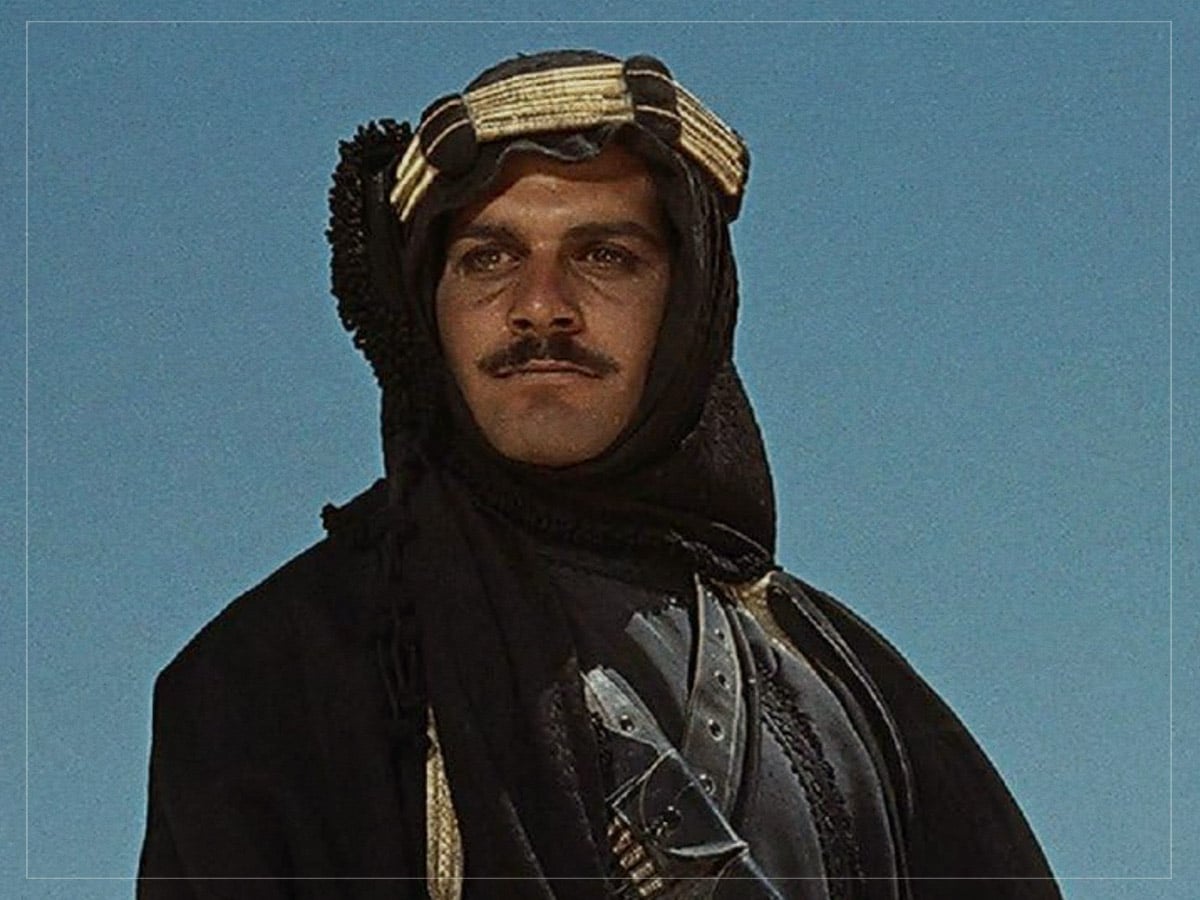
For Spielberg, the power of Lawrence of Arabia lies in its ability to balance the intimate with the immense. At its core is a deeply personal story of identity and isolation, yet it unfolds against vast, breathtaking landscapes that elevate it into something mythic. That contrast between the individual and the epic became a guiding principle in Spielberg’s own work, influencing the way he crafts stories that feel both emotionally grounded and cinematically expansive.
The 1962 masterpiece from David Lean, whom the filmmaker would later label his “guru”, has often been cited among filmmakers as one of the foundational stones of what we consider to be cinema today. Capturing seven Academy Awards and delivering a spectacle that few can ever hope to match with the same physical restrictions, it also entranced a 16-year-old Spielberg when he saw the movie for the first time. “I couldn’t comprehend the enormity of the experience,” Spielberg explains, “So I wasn’t able to digest it in one sitting. I actually walked out of the theatre stunned and speechless.”

“At the time I didn’t quite understand the impact that it had on me,” Spielberg continues. The movie would end up shaping his entire career, gifting Spielberg with an insatiable appetite for creating high drama amid deeply personal stories. “What makes that film unlike any film that can be made again is that it was done naturally; with the elements of light and sound and maybe the greatest screenplay ever written for the motion picture medium […] It was a miracle.”
With such pertinent adoration, it’s no surprise that the movie remains on constant rotation for Spielberg, and when asked by talk show host Stephen Colbert for the one movie he’s watched more than any other, it was an easy pick: “Lawrence of Arabia. I’ve probably watched that movie more than any other film,” he states with a confidence that only a director with nearly five decades in the business can hold.
“The thing it means to me is,” he elucidates, “It’s one of the most audacious films I’ve ever seen because it is a deeply detailed portrait of a lonely human being that doesn’t know anything about himself.” Spielberg speaks candidly about Lean’s ability to transfer a seemingly focused story in such an expansive way, centring on T.E. Lawrence, played by Peter O’Toole.
O’Toole’s performance as Lawrence has gone down as one of the greats as he perfectly encapsulates the man who “has very little identity,” as Spielberg explains. “His identity comes from what other people say about him, what people write about him and the people who take his picture. But he doesn’t have any familiarity with what is within him.”
The exposition of Lawrence’s character is delivered by Lean in a unique way, as Spielberg explains: “And yet, that very personal story that could have been told in close-ups is set against a backdrop — a mural — of some of the most spectacular scenic action I’ve ever seen in my life, in any movie I’ve ever seen.”
The feature, therefore, leaves us as an audience contemplating our own personal stories as sand washed amid the ocean of our own world. The filmmaker surmises: “It’s basically a juxtaposition between the small and the gargantuan.”
