


“Astonishingly beautiful”: the 1960s musicals that inspired Greta Gerwig’s ‘Barbie’

Barbie emerged at a time when consumers seemed to be begging for a new cinematic phenomenon to grasp onto. It happens every few years, with major movies – from Titanic and Avatar to various Marvel instalments – causing swathes of people to queue up at their local cinema to catch the newest film on everyone’s lips, leading to a widespread obsession.
A few years before the release of Barbie, you’d likely have been called crazy if you’d suggested that Greta Gerwig would become the next blockbuster filmmaker, predominantly because her roots are so firmly planted in independent cinema. Yet, Gerwig seized the opportunity to make a big-budget production about Mattel’s beloved Barbie doll, resulting in her largest project to date, complete with a star-studded ensemble cast, flashy musical numbers, and impressive sets.
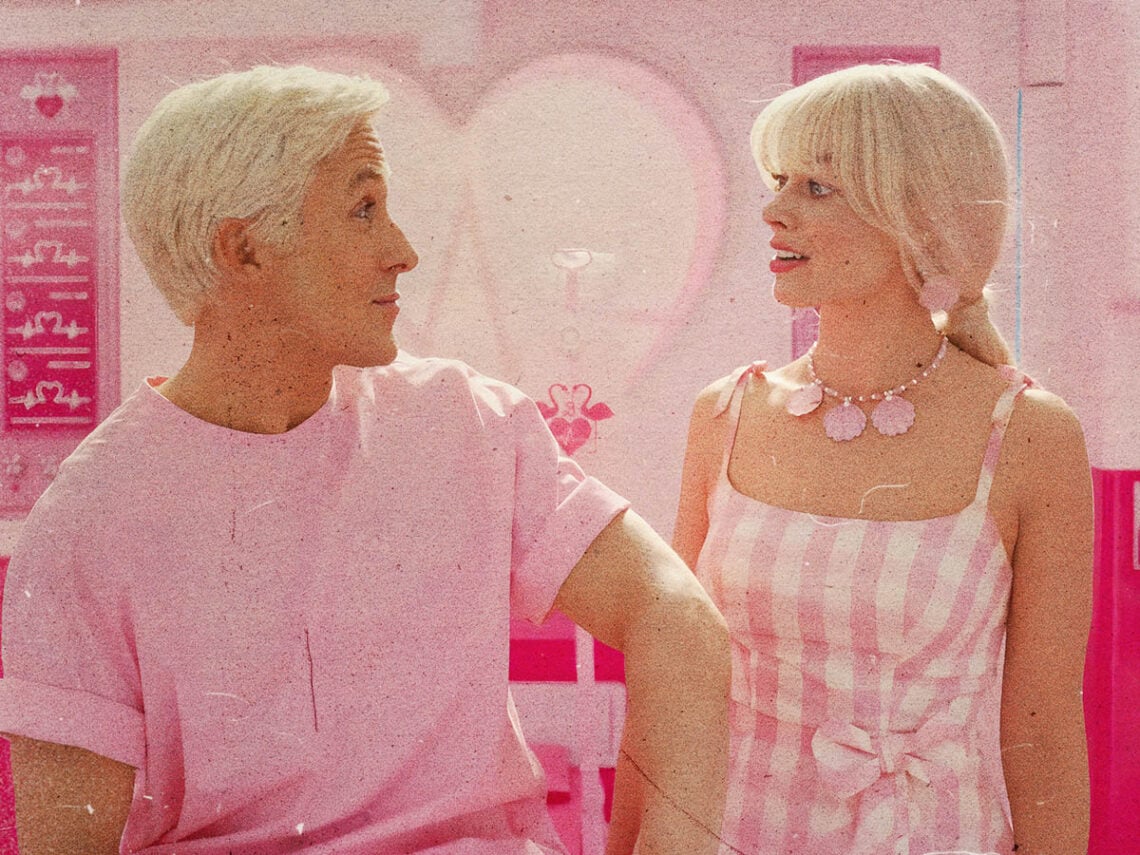
Barbie sees Margot Robbie play the doll as she enters the real world and discovers the patriarchy, which influences Ken, played by Ryan Gosling, to absorb many negative and sexist qualities. Balancing humour and an accessible feminist message, the movie attracted many fans, resulting in countless viewers going to the cinema wearing all-pink, bucket loads of merchandise, and even Barbie-themed food and drink available at certain fast-food chains.
The movie prominently references various films, like the Dawn of Man sequence from 2001: A Space Odyssey, which Gerwig parodies by making Barbie replace the monolith. However, there were also various less obvious references, such as various French films that are often considered some of the greatest musicals of all time.
While the movie is set in present-day America, Gerwig looked back to 1960s France for inspiration and found it in Jacques Demy’s gorgeously colourful world. The filmmaker rose to prominence during the French New Wave, although he was more closely associated with the Left Bank of directors (which also included his then-wife Agnes Varda and Alain Resnais).
His first movie, Lola, is a stunning black-and-white tale of love and longing, but three years later, he decided to experiment with a candy-coloured musical instead. While it sounds strikingly different from his debut feature, it actually takes place in the same cinematic world, with a character from Lola appearing in The Umbrellas of Cherbourg. The film is a tragic romance, with the characters singing all of their dialogue in a way that is often heartbreaking.
Gerwig told Letterboxd, “That’s an amazing movie and astonishingly beautiful. I loved the use of colour and the surrealness. Rodrigo Prieto and I — he shot the film, and he’s one of the greatest DPs who ever lived — were talking about that layering of the colours and how you’d shoot five different shades of pink or red in one shot and not have it overwhelm anything, that you feel like there’s separation, but that it’s vibrant. Everything feels painterly, and that was a big part of it.”
That wasn’t the only Demy musical that inspired Barbie, though. The Young Girls of Rochefort, which also starred Catherine Deneuve in a leading role, was released three years later, with the actor’s older sister, Françoise Dorléac, appearing alongside her as her on-screen twin. The movie inspired Gerwig when she was making Barbie, who claimed in the same interview that “We had one of their hats!”
Even Gene Kelly has a role in the film, which is similarly lauded as one of the greatest musicals of all time. It’s visually akin to The Umbrellas of Cherbourg, so no doubt Gerwig studied the movie for inspiration when building the colourful world of Barbie.
