


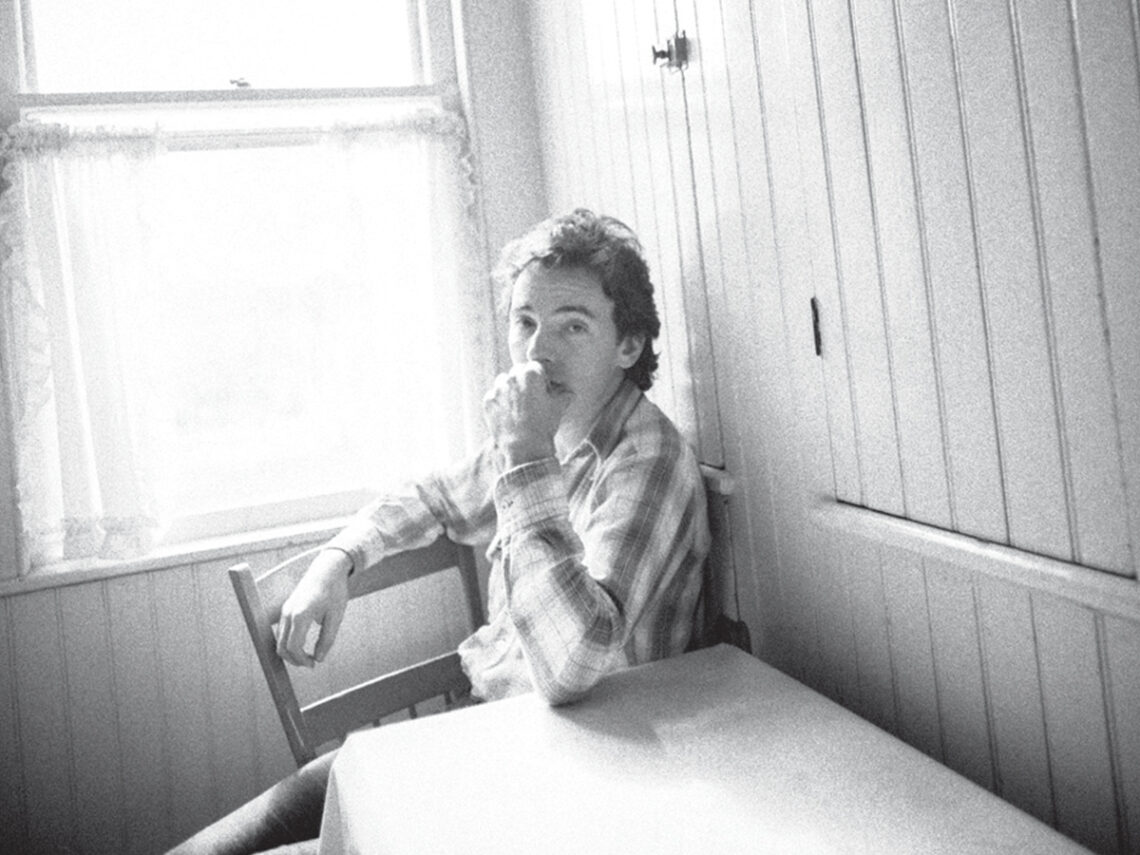
The 1960s band Bruce Springsteen called “a head above everybody else”

One thing that makes Bruce Springsteen ‘The Boss’ is the broad reach of his back catalogue. Whilst the New Jersey native has one of the most extensive back catalogues in rock music, he has kept fans and critics on their toes by dipping into a host of genres to create his sound, despite the heartland rock of many of his classic songs.
Demonstrating the scope of his taste, Springsteen is even a fan of influential New York electro proto-punks Suicide. This might surprise some, given that the inherent violence and minimalism of Alan Vega and Martin Rev’s band is antithetical to the aesthetic of Bruce Springsteen’s work.
However, Springsteen has never limited himself to artists who sound like him. Throughout his career, he has drawn inspiration from musicians who share a similar emotional intensity, regardless of genre, recognising authenticity and conviction wherever he finds it.
Despite this stylistic distinction, though, Springsteen is a big fan of Suicide. Notably, their eponymous 1977 debut record is a landmark of the era, containing cuts such as ‘Cheree’, ‘Frankie Teardrop’ and ‘Ghost Rider’, three compositions regarded as their finest. In fact, ‘Frankie Teardrop’ impacted Springsteen so much that he labelled it “one of the most amazing songs I ever heard“.
When speaking to Rolling Stone in 2014 to promote his album High Hopes, Springsteen listed his 25 greatest musical heroes, with Suicide’s Alan Vega as one of them. Effusing about the brilliance of ‘Frankie Teardrop’, he said: “They had one of the most amazing songs I ever heard called ‘Frankie Teardrop’. That’s one of the most amazing records I think I ever heard.”

Springsteen has regularly outlined just how all-encompassing his music taste is, with his record collection featuring some of the greatest the industry has ever seen, such as Bob Dylan and Roy Orbison. Regardless of the prominent faces included in Sringsteen’s list, one name in particular stood out: Walter Cichon. A relatively unknown artist, Cichon played in a local Jersey Shore band called The Motifs in the mid-late 1960s, with Springsteen describing him as “one of the great early Jersey Shore rockers”.
Unlike many of the globally recognised artists Springsteen celebrates, Cichon’s influence was deeply personal. His impact stemmed not from commercial success but from his presence within the local New Jersey music scene that helped shape Springsteen’s earliest ambitions.
Even though very few people know their name today, Springsteen maintained that The Motifs were always “a head above everybody else”, with Cichon the first person Springsteen encountered who was “filled with the mystique of a true rock star”.
Springsteen explained: “Raw, sexy and rebellious, they were the heroes you aspired to be. But these were heroes you could touch, speak to, and go to with your musical inquiries. Cool, but always accessible, they were an inspiration to me, and many young working musicians in 1960s central New Jersey. . .[Cichon] was the first person I ever stood in the presence of who was filled with the mystique of the true rock star”.
Tragically, the story of The Motifs and Walter Cichon didn’t end in the way everybody had hoped. The rock star went missing in action in the Vietnam War in March 1968.
The contrast between Suicide’s abrasive experimentation and Walter Cichon’s grassroots influence illustrates the remarkable breadth of Springsteen’s musical outlook. Whether celebrating groundbreaking innovators or forgotten local heroes, his choices reveal an artist who values passion, originality and emotional truth above fame or commercial success.
