


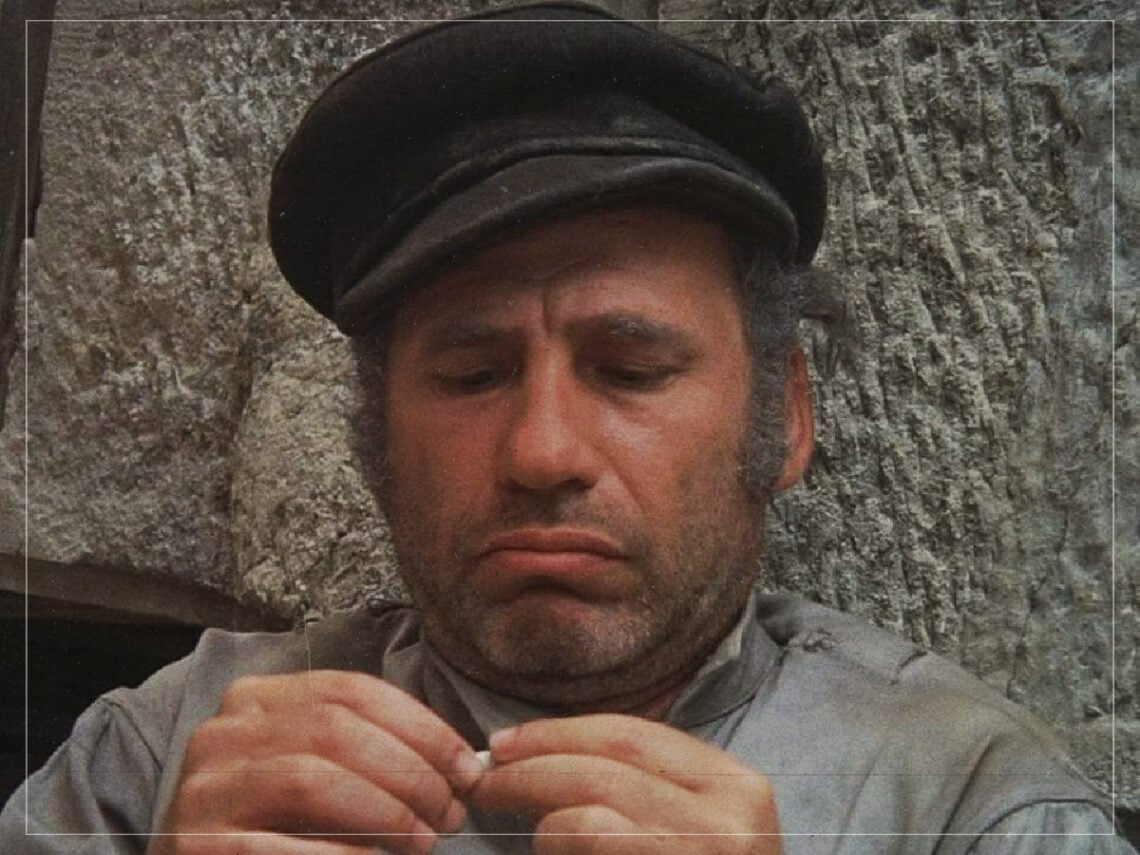
“Always”: the iconic 1931 horror film Mel Brooks called his favourite movie of all time

One quick glance at Mel Brooks’ filmography is enough to tell you that here’s a man who has studied the art of comedy since he was a child.
The creative force behind classics like The Producers and Blazing Saddles definitely knows how to make people laugh, but it’s also interesting how horror has been a foundational framework for Brooks’ sensibilities. Of course, his forays into “horror” like Young Frankenstein or Dracula: Dead and Loving It have been fun and playful with genre tropes, but the interplay is deeper than it might seem.
Some of the most acclaimed filmmakers working today will tell you that horror and comedy are two sides of the same coin. Be it Jordan Peele whose sharp insights as a comedian shaped his incredible career as a horror director, or Ari Aster, whose approach to comedy in works like Beau is Afraid or Eddington is completely coloured by the anxieties typical to horror, there’s a lot to the argument that one cannot exist without the other.
As far as Brooks is concerned, he never had to make these distinctions as a child because he was equally enamoured by cinematic motion, from how cinema can rouse our emotions to the exquisite movement in dialogue and gestures of the silver screen’s greatest comedians, to the fears cast large by horror flicks.
In an interview with the DGA, Brooks recalled how his idea of comedic timing was completely shaped by icons like the Marx Brothers and the Three Stooges, which is readily apparent in his own oeuvre. As a young fan, it was that perfection he saw on screen that he has spent the rest of his life trying to emulate.

“Comedy was always very important to me and the kids in Williamsburg,” Brooks recalled. “There were three different brothers who formed my sense of comedy timing. There were the Marx Brothers and the Ritz Brothers, and then there were the Three Stooges. Those groups of men formed my sense of how many seconds it took from setup to explosion, from straight line to punch line. They were all perfect at what they did.”
But even though he admired those comedies, when people ask him about his all-time favourites, it is the 1931 James Whale production of Frankenstein that always springs to his mind first. In fact, he even took the opportunity to point out how some cinephiles like to cite “high art” when asked the same question but a real favourite movie has to be something that has touched you to the extent that you will forever live in its shadow, and that was Frankenstein.
Brooks explained, “When people say to me, ‘What’s your favourite movie?’ I don’t immediately say Les Enfants du Paradis, which sounds good to say, or La Strada sounds great; Battleship Potemkin sounds even better. ‘Wow, this guy must be an intellectual. Look at the movies.’ But my favourite movies have always been either Frankenstein or Fred Astaire [pictures].”
Karloff’s portrayal of Frankenstein’s monster has obviously become an indelible part of cinematic legacy, but the 1931 film is much more than that. It was an evolution in the language of horror cinema that feels palpable almost a century later.
Brooks’ adoration for the movie isn’t just a bunch of empty words either. In his production of Young Frankenstein, he managed to track down and use the actual props Kenneth Strickfaden designed for 1931’s Frankenstein. If that’s not going to convince people about what your favourite movie is, I don’t know what is.
Check out the trailer for the original Frankenstein movie below.
