


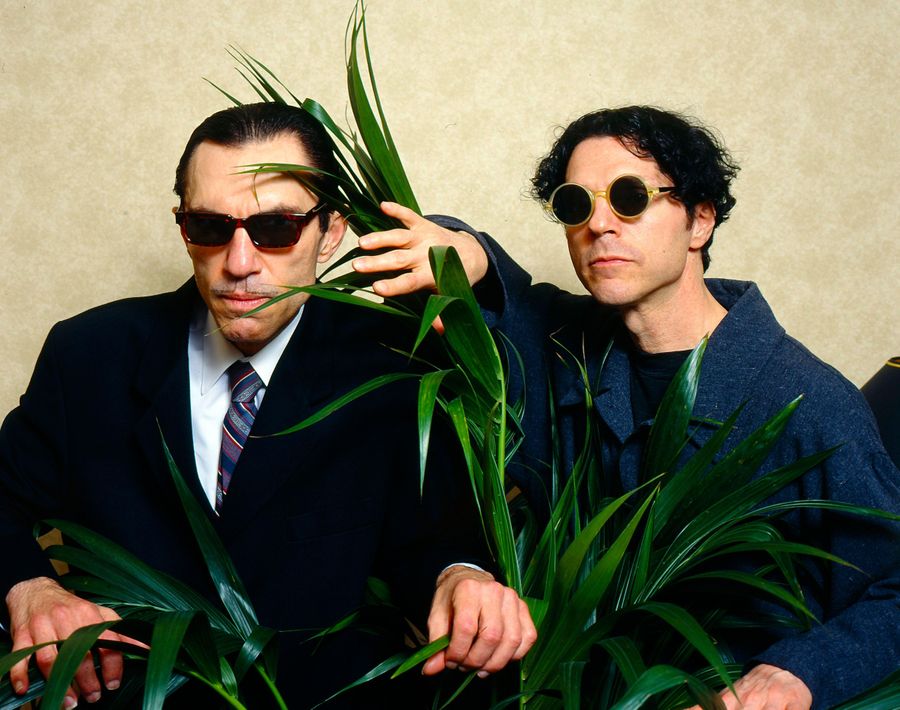
The 10 things Russell Mael loves about Kate Bush

Russell Mael formed Sparks along with his brother Ron Mael in 1967. With distinctive falsetto vocals, charismatic stage presence, and boundless creativity, the duo quickly gained attention for their unconventional approach to music.
One of the things that made Sparks’ appeal is Russell’s soaring falsetto range coupled with Ron’s intricate keyboard melodies and quirky songwriting, which created a sound unlike anything else in the music landscape at the time. Tracks like ‘This Town Ain’t Big Enough for Both of Us’ and ‘The Number One Song in Heaven’ showcased Sparks’ theatrical flair, earning them a devoted fanbase and critical acclaim.
In 2021, Edgar Wright released a documentary about the band called The Sparks Brothers. Through archival footage, interviews with band members, music industry figures, celebrity fans, and animated segments, the documentary traced the evolution of Sparks’ sound and image over the decades.
Regarded by many as a highly influential band in the music industry, Sparks also experienced a notable moment of acclaim when they performed at Glastonbury in 2023. Their performance of ‘The Girl is Crying In Her Latte’, featuring Cate Blanchett on stage as their muse, captured significant attention. Following their appearance on The Park Stage and the release of the documentary, there was a renewed surge of interest, with a fresh wave of music enthusiasts discovering their unique sound.
It’s not uncommon for experimental and innovative artists to look to other artists for inspiration, particularly when looking back to the most trailblazing talents of the 1980s. Discussing his love for legendary musician Kate Bush, Mael once told The Guardian that her main appeal lies in the fact that she “establishes her own world – and stays true to it”.
He also shared a list of specific things he appreciates about her and her artistry, which included: “Not writing material that sounds like you are desperate for a hit, but having hits nonetheless” and “having integrity, at any cost.” Of course, he also addressed Bush’s cultural impact, stating that she wasn’t “part of a past musical model” and that she created “her own movement”.
Among the more straight-forward reasons, like being “literate”, “sophisticated”, “not fitting in”, and “establishing your own voice”, Mael adds that she mastered the delicate art of being “musically challenging, yet not proclaiming that you are musically challenging.” In other words, he regards Bush as completely effortless despite her music sounding profoundly complex with unparalleled thought-provoking lyrics.
