


10 terrible albums that ruined otherwise perfect discographies

Rock and roll has always been home to some of the most dependable artists of all time.
Even though they might not be the most perfect people all the time, there are usually times when artists can seem to do no wrong once they get into the studio and have the time to let their emotions speak for themselves. But even among the best acts of all time, like John Lennon, there are occasionally those handful of albums that put the tiniest blemishes on their otherwise spotless track record.
Yes, even the legends manage to fail every now and again, and sometimes it’s not even the biggest fall from grace, either. As much as people like to think there’s a certain point of no return when it comes to people’s time in the spotlight, some of the albums on this list are still more than worthy of being considered one of the greatest records by any other band in terms of production value and songwriting chops.
But there are also a few unholy marriages where everything seems to go wrong for a certain band. Whether that’s the production not lining up the way it should or everything members leaving the band without any proper warning, some of the biggest names end up pulling the short straw and get left with records that feel completely lacklustre next to their classics.
Is it disconcerting? Oh, absolutely, but having one little turd in the punchbowl is far from a bad problem to have. Some of the biggest artists of all time spend years trying to capture the magic again after years away, but when the least of your worries is an album that is merely lacklustre, you’ve still done a phenomenal job.
10 worst albums in an otherwise perfect discography:
Human After All – Daft Punk
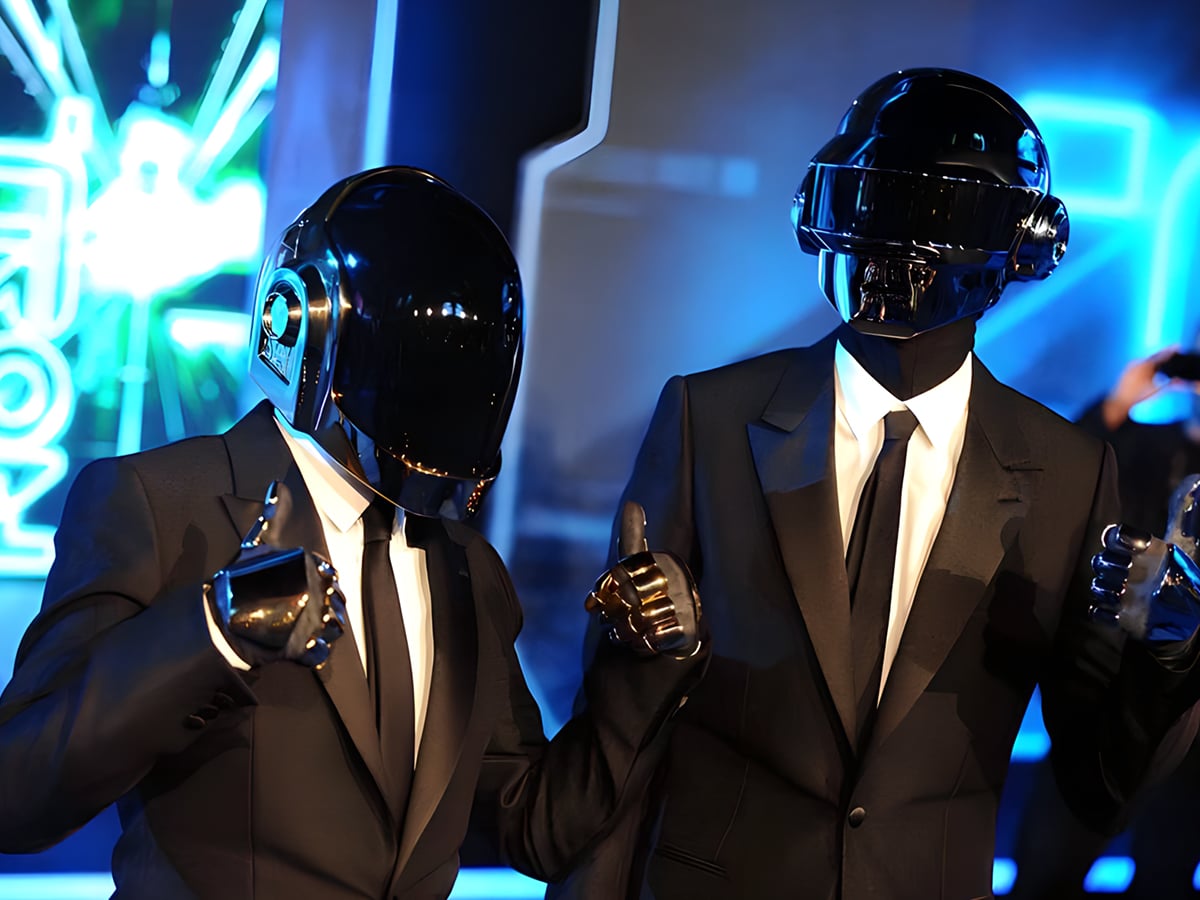
Any new toys in the studio are bound to leave an impact on what an album is going to sound like. As much as people may go back to their same old bag of tricks, there are bound to be a few moments where some new technology comes in to throw everything on its head. And for a band that was always about technology in their music, Daft Punk managed to take it only a smidge too far when crafting their long-awaited follow-up to Discovery.
Granted, not many things can manage to be as great as their sophomore opus, but Human After All does at least have the heaviest guitars that the band have ever recorded. But whereas that worked great when making that brilliant tapping solo in ‘Digital Love’, this is that idea extended for the length of the entire album. Since the past Daft Punk albums layered different soundscapes on top of each other, hearing a song wear out its welcome with guitars within the first minute does end up feeling a little disconcerting.
They did correct that problem with a vengeance on Random Access Memories, though, to the point where every other song sounds like another electronic act’s greatest hit from a different age altogether. Maybe if they had got George Michael on the album like they wanted, things could have worked out differently, but as it stands, this is the first time that the most soulful cyborgs on Earth came through with something that felt faceless.
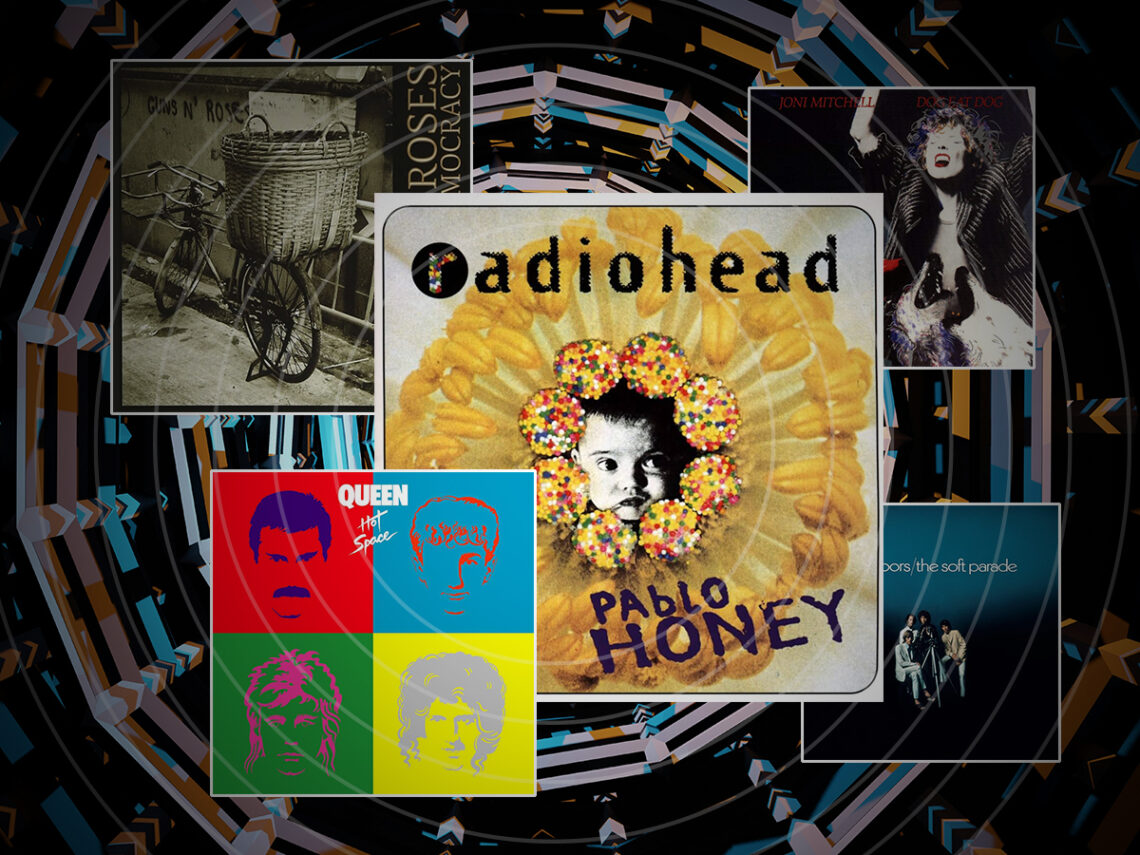
The Soft Parade – The Doors

Half of The Doors’ greatest songs rely more on their vibe rather than their musical complexity. Jim Morrison never claimed to know how to play one chord, but when the rest of the band jammed behind his esoteric poetry, it was much easier to settle into a groove when listening to longer cuts like ‘LA Woman’ or ‘The End’. Of all the albums from the band’s classic run, though, The Soft Parade feels like a great pop album that happens to have the band’s name stamped on top of it for no reason.
There are some great tunes on here, like the title track and the amazing ‘Touch Me’, but as a standalone album, the whole thing feels a little incoherent. Some moments are faint glimpses of the classic Doors sound, but right when they start settling into a groove on a song like ‘Tell All the People’, there will be something like ‘Runnin’ Blue’, complete with Robbie Krieger taking the mic for a strange take on Bob Dylan’s voice.
Most of the band were able to stretch themselves out a little bit more, but compared to all of their previous albums, this feels like the one project that has the least amount of the band’s signature personality. They would eventually get a lot bluesier in their later years, but it’s a wonder why their producer called ‘Riders on the Storm’ “cocktail music” compared to any of the songs from this record.
Dog Eat Dog – Joni Mitchell

In the grand scheme of songwriters, Joni Mitchell typically comes in a few notches above everybody else. Many might claim to have their own voice on their instruments, but when listening to any of Mitchell’s songs play out, it feels like watching a beautiful tapestry unfold before your ears, whether that’s her folk side or when she leaned into the sounds of jazz. But for as timeless as her music can be, it usually goes wrong when she has the wrong production behind her.
Which isn’t even that much of a problem when listening to Dog Eat Dog. The lion’s share of the songwriting here more than makes up for the 1980s production behind everything, but it hurts knowing that even Mitchell wasn’t all that thrilled working on the record. The idea of working with Thomas Dolby was inspired, but it was clear that they weren’t the right fit for this brand of songs, which explains why she went in a different direction in her later years when her voice got lower.
But let’s make one thing clear: Mitchell’s work didn’t end up bottoming out strictly because she couldn’t be asked to do anything more. She took proper care and attention to make sure every one of her songs sounded immaculate, but not everything holds up to the passage of time all that well when looking back through the classics.
One More Light – Linkin Park

Linkin Park were already at a crossroads when the 2010s started. They had reinvented what it meant to be a rock and roll band when making A Thousand Suns, and even though the album did get a muted reception over the years, there were still people who were rooting for them to come through with another heavy record in the next few years. But when The Hunting Party took things into heavier territory, hearing them pull a complete U-turn on One More Light was more jarring than anything else.
Sure, Linkin Park’s music was never meant to be a hit with the critics every single time they played, but this felt like it was designed to piss off fans specifically. They had never been this poppy on a record, and bringing in people like Julia Michaels made them look like a discount version of the Chainsmokers. However, most of us couldn’t have realised the kind of heartbreak that we were in for a few months after the album released when Chester Bennington was found dead by his own hand.
Although the album does act as a sad farewell from one of the greatest vocalists in rock history, there was no way that anyone could listen to songs like the title track without getting a little bit misty-eyed now. The band have continued with new vocalist Emily Armstrong and have the world as their oyster yet again, but no matter how great she may be, most of us would have loved the thought of hearing Bennington one more time.
Pablo Honey – Radiohead

It’s nearly impossible for everyone to get it right on the first try. There are many bands that end up putting their best foot forward when they start their career, but it’s only a matter of time before they start going back to the well again before they officially run out of ideas halfway through their career. That wasn’t what Radiohead was going to become, but they were certainly going about their first chance at stardom in a kooky way when they first began putting together their debut album.
Pablo Honey should at least be given the benefit of the doubt for being their debut, but knowing where the band would be headed, hearing them make what amounts to bad grunge pastiches is a little bit disconcerting. There are many great moments of rock grandeur on the record, but if you said that the same guys who sang ‘Anyone Can Play Guitar’ would eventually make something as cerebral as Kid A, chances are you would get more than a few eyerolls from casual rock and roll fans.
But, really, Radiohead getting over their debut and turning into one of the greatest acts of all time should be considered a feat in and of itself. Most acts would never recover from an album like this, but the fact that they picked themselves up and worked their way to the top of the musical food chain should tell everyone that they were a band looking to be in it for the long haul.
Let Me Up (I’ve Had Enough) – Tom Petty

Tom Petty was always known for keeping a reliable track record with his albums. He eventually had some of the greatest teachers in the Traveling Wilburys to guide him, but every time you picked up one of his records, you were going to get the best kind of American rock and roll that anyone could possibly spit out this side of Bruce Springsteen. Right in between him taking some of his first steps into stardom when working with Bob Dylan, Let Me Up (I’ve Had Enough) is one of the more uncomfortable albums he ever made.
Because really, this feels like two albums competing against each other half the time. There are many songs that take the rustic approach that the band had from working with Dylan, but on the other side of the coin, Mike Campbell was working with synthesisers to create these immaculate soundscapes halfway through the record. So instead of hitting on a theme, much of the album is pingponging back and forth between lush ballads Don Henley could have used to Stonesy jams like the title track.
Somewhere in here are two halves of perfectly decent projects, but when an album looks like nothing more than two decent EPs, there was bound to be a problem. Still, there’s no reason to look at a song like ‘Runaway Trains’ and not think it’s one of the finest ballads that Petty ever wrote, even if it’s sitting next to songs like ‘The Damage You’ve Done’.
Chinese Democracy – Guns N’ Roses

Time can often be the biggest curse for any major album release. Many artists can spend all their lives trying to crack the code of how to make an album, but most of the time they spend all those years chasing their own tail until they eventually realise that they overthought the entire process. And for the years of development hell artists have undergone, Guns N’ Roses are practically the forefathers of the concept, thanks to Chinese Democracy.
Although the album was never technically supposed to be released in the state it was in, Axl Rose eventually acquiesced after one too many leaks and a deal with Dr Pepper. And while the album is basically an Axl Rose solo joint masquerading as a Guns N’ Roses project, there’s a reason why the album sounds so dishevelled. From countless guest stars to becoming the most expensive album ever, the whole thing feels like it was overthought more than a few times.
Aside from Rose singing like he was recorded in two different decades, a lot of the songs that could have been great songs years before like ‘Shackler’s Revenge’ feel like they have been overbaked, especially when Buckethead comes in to spew his guitar solos over top of everything. Most of Guns N’ Roses may have been on sabbatical by this point, but when all the dust had settled, half of the album feels like the ramblings of a man unsure of his place in the music world anymore.
Some Time in New York City – John Lennon

Throughout John Lennon’s career, there was always a question of whether or not he could measure up to his Beatles bandmates. Wings had become an overnight success for Paul McCartney, and with George Harrison and Ringo Starr earning the big bucks, Lennon could equally match them when he put out tunes like ‘Imagine’. But if we look at his core studio albums in the rock category, Some Time in New York City is the one moment where his songwriting talents started to fail him.
Lennon was always a great lyricist first and foremost, and while he could put together fantastic melodies, this collaboration with Yoko Ono felt more like cheap sloganeering half the time. He was always great at incorporating some of his political beliefs into his music, but outside of a handful of tunes like ‘New York City’ or ‘The Luck of the Irish’, half the album feels like he’s riffing on an idea without putting together the other bells and whistles that most of his classics hits need.
‘Revolution’ and ‘Power to the People’ had both the staying power and the slogans to back them up, but if Lennon wanted the album to be as topical as a newspaper like on the cover, it was only a matter of time before it started to show signs of age. He hadn’t lost his touch by any stretch, but it’s also no shocker that Lennon and Ono separated for a little while once they realised their effect on each other.
In Through the Out Door – Led Zeppelin

Now, wait. Hang on. Before any of you kill me, let’s get one thing straight: Led Zeppelin are one of the greatest bands of all time. Their music was always genre-pushing for its time, and there’s no reason to believe they are one of the crowned jewels of all great rock and roll. But I’m sorry, people, they do have some duds, and while In Through the Out Door isn’t terrible, it definitely ruined their hot streak when looking at where they had taken their albums beforehand.
Each album before this had been anywhere from transcendent to decent rock and roll, but In Through the Out Door felt like the makings of a good album without the follow-through. There are some incredible songs throughout the track listing like ‘All My Love’ and ‘Fool in the Rain’, but outside of those, a lot of the album feels more like a vehicle for John Paul Jones to use the new synthesisers he had, like when he works out the pieces of ‘Carouselambra’ or a song that sounds like it’s filling time like ‘Hot Dog’.
What makes the album even more tragic is that it felt like a jumping-off point before the band made something on the same level as Physical Graffiti. But since we will never know what that would have sounded like in the wake of John Bonham’s death, many of the pieces of In Through The Out Door feel like a story that’s only been half-told.
Hot Space – Queen

Queen always maintained a certain degree of excellence across every album. They knew how to keep the fans satisfied, and even when Freddie Mercury could ham it up a little too much in his glory years, it hardly mattered when the songs sounded so good. But when they got the first taste of real mainstream success with ‘Another One Bites the Dust’, they figured they would spend their entire next record trying to put disco and rock and roll all under one roof.
Despite their good intentions, though, half of the album feels like a strange mismatch of dance music that feels too scattershot to be a proper classic. Jazz and A Night at the Opera took chances like this, but listening to a song like ‘Body Language’, it’s impossible to think that they pulled everything off spectacularly, even if it closes with the stellar duet, ‘Under Pressure’ with David Bowie.
In fact, the album has a similar problem that many artists have when they try to smush two ideas for a record where the compromise doesn’t exactly work. While it earns points for being one of the albums that inspired Michael Jackson to create Thriller, there will always be a slight asterisk next to Queen’s stellar catalogue, thanks to one too many dance breaks thrown into the mix.

Never Miss A Beat
The Far Out Led Zeppelin Newsletter
All the latest stories about Led Zeppelin from the independent voice of culture.
Straight to your inbox.