


10 rock albums that were way ahead of their time

Some of the greatest rock albums feel like a slice of history on vinyl. Even though there had been years since they first came out, it’s easy to listen to the first albums by acts like The Beatles or The Rolling Stones and be transported back to the 1960s through each song. Every now and again, though, acts like Paul McCartney or Radiohead make albums that feel conceived as though looking through a crystal ball.
As much as the artists might have been looking to innovate at the time, some of their records didn’t get the proper credit they deserved until years later. While they may have been considered odd upon their first release, the rest of the music world paid attention to the songs and used them to model their musical dreams.
While some might have been treated as an odd entry in the group’s catalogue, other outlets were not as kind, with a portion of commentators declaring them some of the worst albums ever made from their respective years. Hindsight is always 20/20, though, and it didn’t take long for the same critics to change their opinion once the next generation started to get on the bandwagon.
Every artist could have easily carried on the same path by making their usual style of music or playing it safe, but their choice to defy the trends and attempt something new helped pave a new avenue for contemporary music that most fans take for granted today. It’s always a leap of faith to get into the world of rock and roll, but it takes a certain type of fearlessness to go against the grain like this.
What makes these once-maligned albums so fascinating is how clearly they capture the sound of artists thinking ahead of their moment. Innovation rarely arrives wrapped in familiarity, and records that disrupt expectations often confuse listeners before they inspire them. The initial discomfort becomes part of the story, a reminder that progress in popular music is rarely greeted with unanimous applause.
Over time, those risks begin to look less like missteps and more like milestones. The textures, structures, and ideas that once seemed alien quietly seep into the mainstream, reshaping what audiences come to expect. In that sense, the albums that were written off as failures often prove to be the most influential of all, standing as evidence that daring to be misunderstood can leave the deepest mark on music history.
10 albums that were ahead of their time:
‘Rage Against the Machine’ – Rage Against the Machine
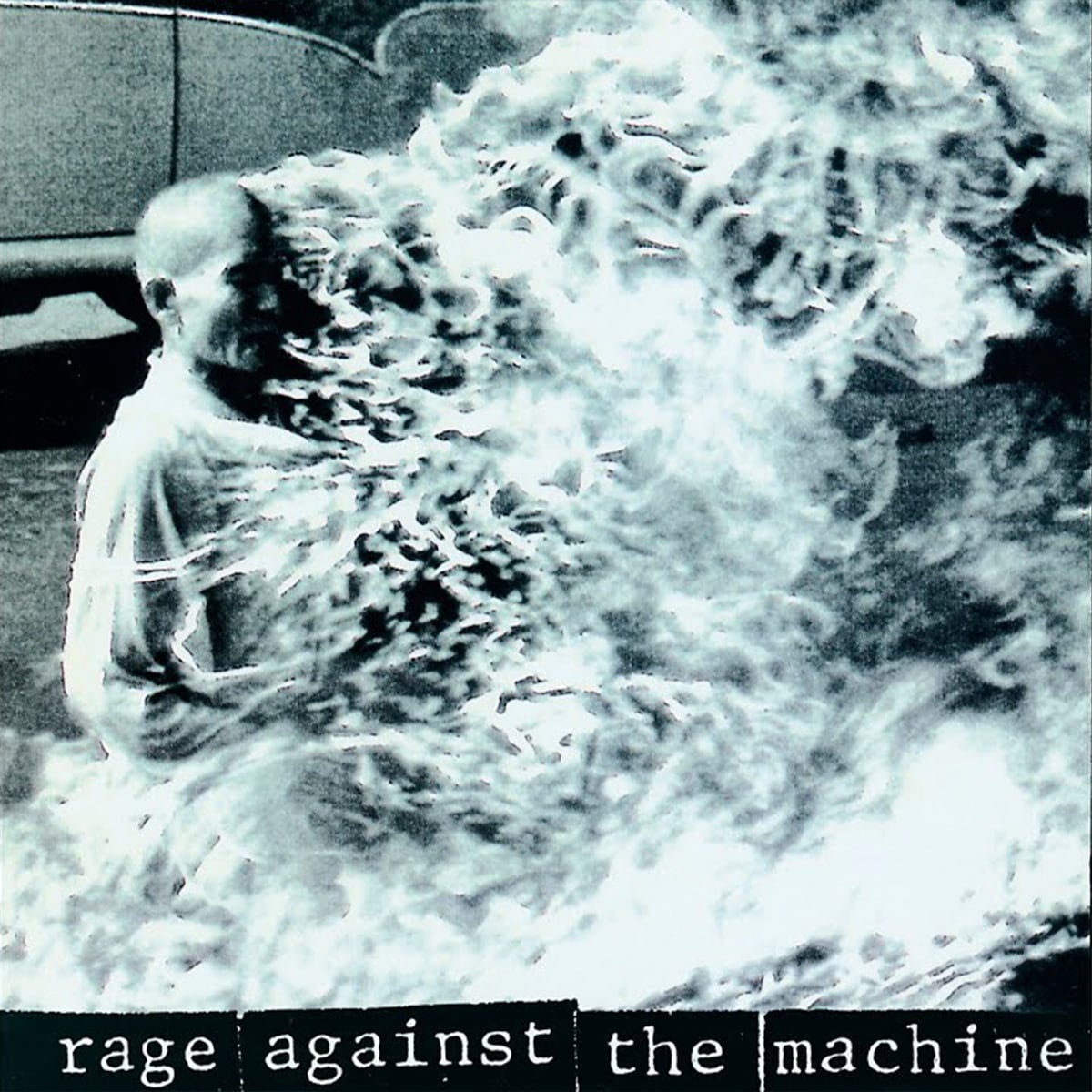
After grunge swept across the airwaves, any rock genre was fair game. Since the hair metal movement died ugly after Nirvana came in, labels were willing to take a chance on artists bringing something different to the table, from Faith No More to Smashing Pumpkins getting record deals. So when a band mixed hip-hop and hard rock under one roof, the appeal was just crazy enough to make sense.
Though Rage Against the Machine was not the first band to blend metal and rap under one roof, their debut was the first time it didn’t sound like a novelty. Compared to the singles by Run-DMC and Aerosmith, the venom in Zack de la Rocha’s voice was always justified, offset by Tom Morello’s skills behind the technical side of the guitar, turning him into a makeshift DJ in the group.
While Rage was the big fish in a small pond for a long time, the next generation of metalheads started to co-opt their style, giving way to some of the most aggro-sounding music to grace the charts once the nu-metal movement took over. Although Rage will get both the credit and the blame as one of the major progenitors of metal, the music on their debut has lasted much longer than a Limp Bizkit jock jam ever will.
‘The Stooges’ – The Stooges
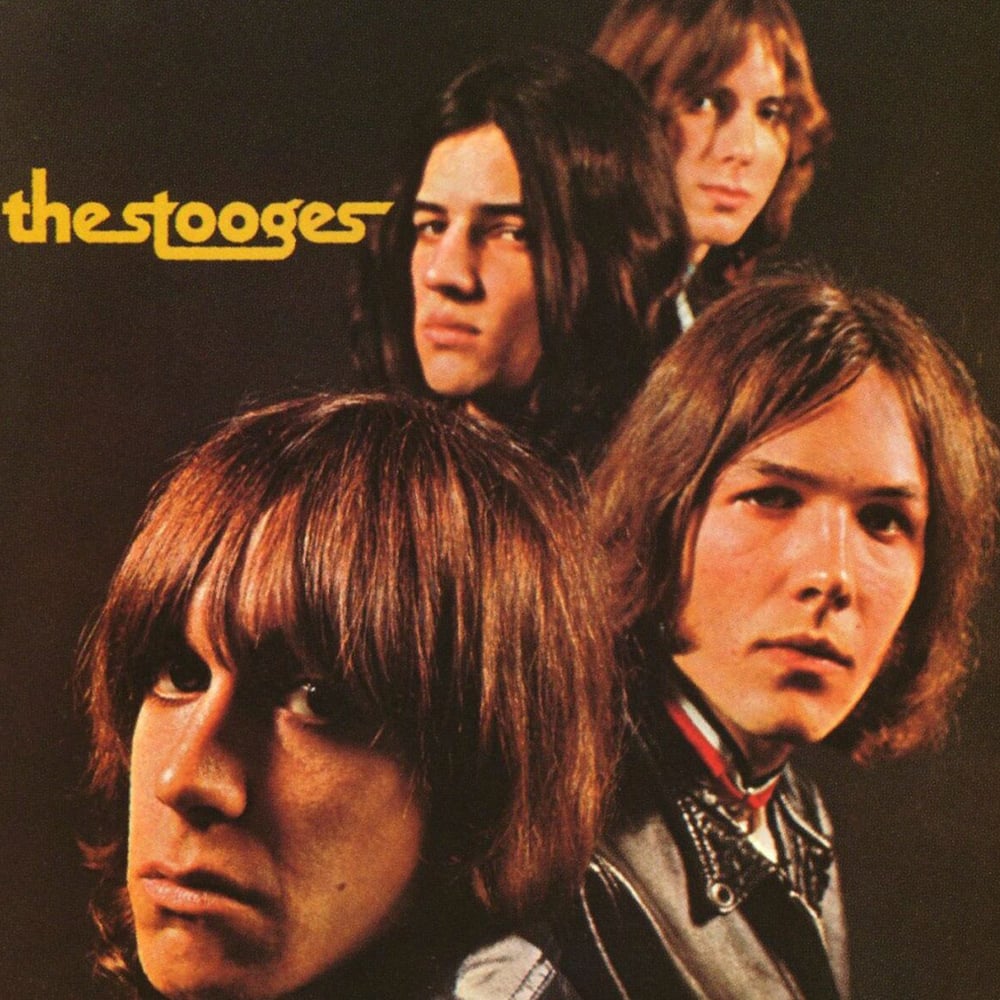
For most of the ‘60s, casual music fans didn’t like to differentiate between rock music styles. There were either the pop-friendly experiments coming from acts like The Beatles or the harder bluesy edge that came from The Rolling Stones, with very little in between to go around. While each side of the fence kept it professional, The Stooges brought rock back to its primal form on their debut.
Compared to the standard blues fare that most hard rock acts got into at the time, Iggy Pop was looking to unleash hell onstage, hoping to have an epiphany go off in the listener’s brain as they watched him. Although there was a thin line between music and chaos, songs like ‘I Wanna Be Your Dog’ laid down the building blocks for what would become punk later on, with the Sex Pistols and Ramones directly pulling from albums like this.
Even when the punk revolution started, Pop was being looked at as the genre’s godfather, having a career renaissance with hit singles like ‘Lust For Life’, which tapped into the same angry young man that walked on the crowd’s hands during every show. The first listen of The Stooges might sound like white noise half the time, but the sullen spirit at the centre of the tunes has resonated with anyone who’s ever felt frustrated with their place in the world.
‘A Thousand Suns’ – Linkin Park

Perhaps it’s too close to call an album ahead of its time with only a decade under its belt, but Linkin Park was already looking to change in the 2010s. Having to leave most of their nu-metal roots behind after the genre faded, the band decided to make their next record a vast concept album centred around nuclear Armageddon. The plot was ambitious, the budget was high, and the reviews from fans were absolutely god-awful.
For most fans, A Thousand Suns was an abject betrayal of everything that Linkin Park stood for, as if they had pissed all of their goodwill away on meaningless droning synthesisers that would soundtrack Transformers movies. Although the album is far from perfect, what matters is what happened after the band went on tour for the project.
Having an understanding of how to blend the electronic and rock sides of their sound, songs like ‘Waiting for The End’ and ‘The Catalyst’ may as well have been a teaser for the kind of sounds that would populate metal later in the decade, with acts like Sunbather bringing elements of shoegaze into their sound. While A Thousand Suns is still a bit contentious amongst the fanbase, the world of modern rock probably wouldn’t exist in its current state without it.
‘Murmur’ – REM
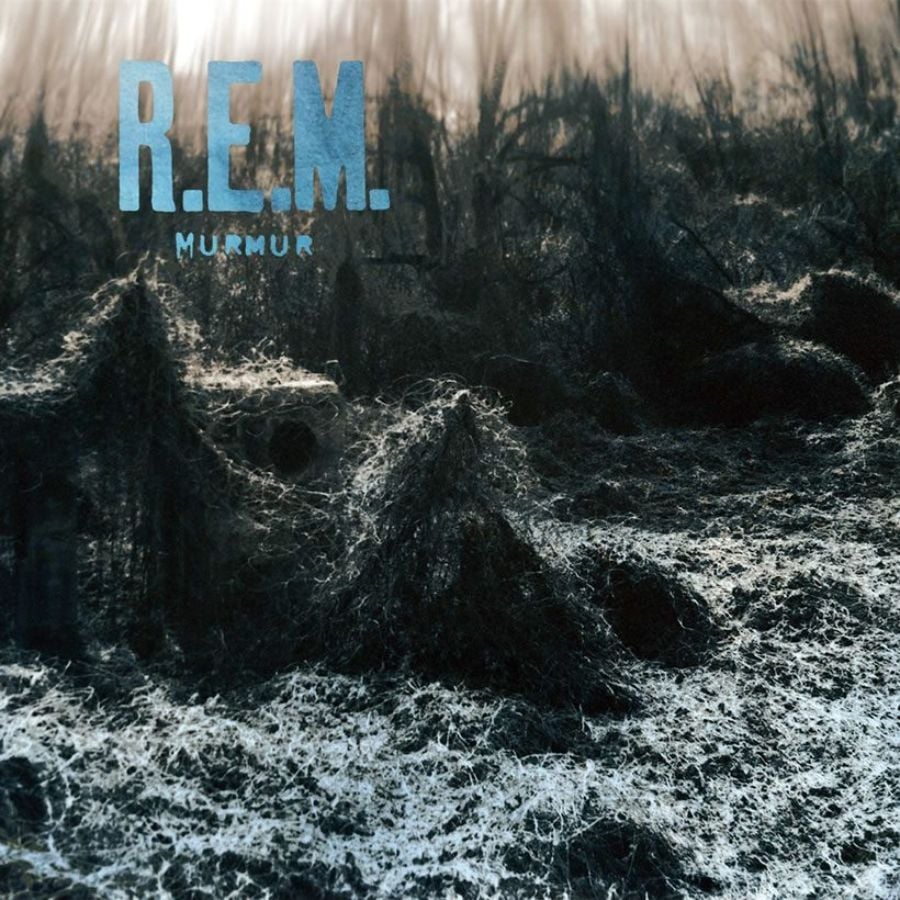
Towards the start of the ‘80s, most of what would become Generation X were getting ready to move off to college. After the punk revolution caved in on itself in the late ‘70s with the fallout of the Sex Pistols, bands were either subverting their usual sounds or folding themselves into the new wave movement. Rock desperately needed a boost, and a small band from Athens, Georgia, found a way forward by just having kickass songs.
Released around the same time MTV started to take ahold of the zeitgeist, REM’s Murmur was one of the first true alternative records to blow up at the start of the decade. Though it was easy to call the band indie because of their small following, most of their contemporaries couldn’t boast the same catchy choruses found on ‘Radio Free Europe’ or ‘Talk About the Passion’.
In the middle of the group stood Michael Stipe, whose voice shook with emotion on every line of the record, even if it was nearly impossible to figure out what he was saying throughout each song. Regardless of what the song meant, every kid who had ever felt lost could find a friend within at least one of their melodies. It wasn’t meant to be the biggest record of all time but acts like Nirvana were definitely taking notes.
‘Kill ‘Em All’ – Metallica
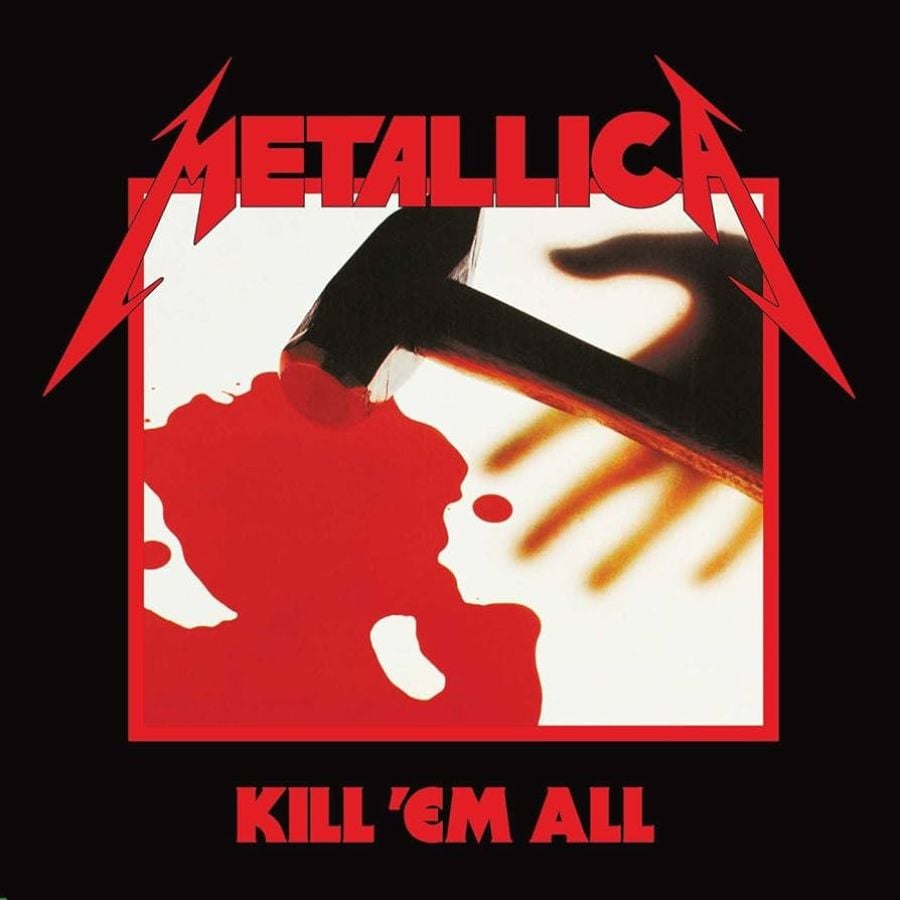
At the start of the ‘80s, metal was starting to look a little worse for wear on the charts. Even though acts like Van Halen were starting to build a huge following out of the US, some of the biggest names in the genre tended to come from a bunch of pretty boys who relied on lipstick and frilly clothes to prove their metal chops. That wasn’t what was happening on the street, and Metallica served as the heavy alternative to hair metal on Kill Em All.
Released the same year as landmark records by Def Leppard and Mötley Crüe, Metallica’s debut introduced the world to the thrash metal genre with ease. Although there had been heavy acts like Iron Maiden making the rounds on MTV, James Hetfield’s riff vocabulary blended the intensity of his metal heroes with the speed and intensity of punk, making for songs that assaulted the sense on ‘Seek and Destroy’ and ‘No Remorse’.
For all of the speed and intensity, bassist Cliff Burton also kept the album rooted musically, with ‘Anesthesia (Pulling Teeth)’ serving as an interlude while also ensuring metal fans that it was okay to put a classical spin to metal. The thrash metal scene was already starting to explode with acts like Slayer getting signed, but Metallica was the first to bring it to the masses. Soon the metal armies would follow.
‘McCartney II’ – Paul McCartney
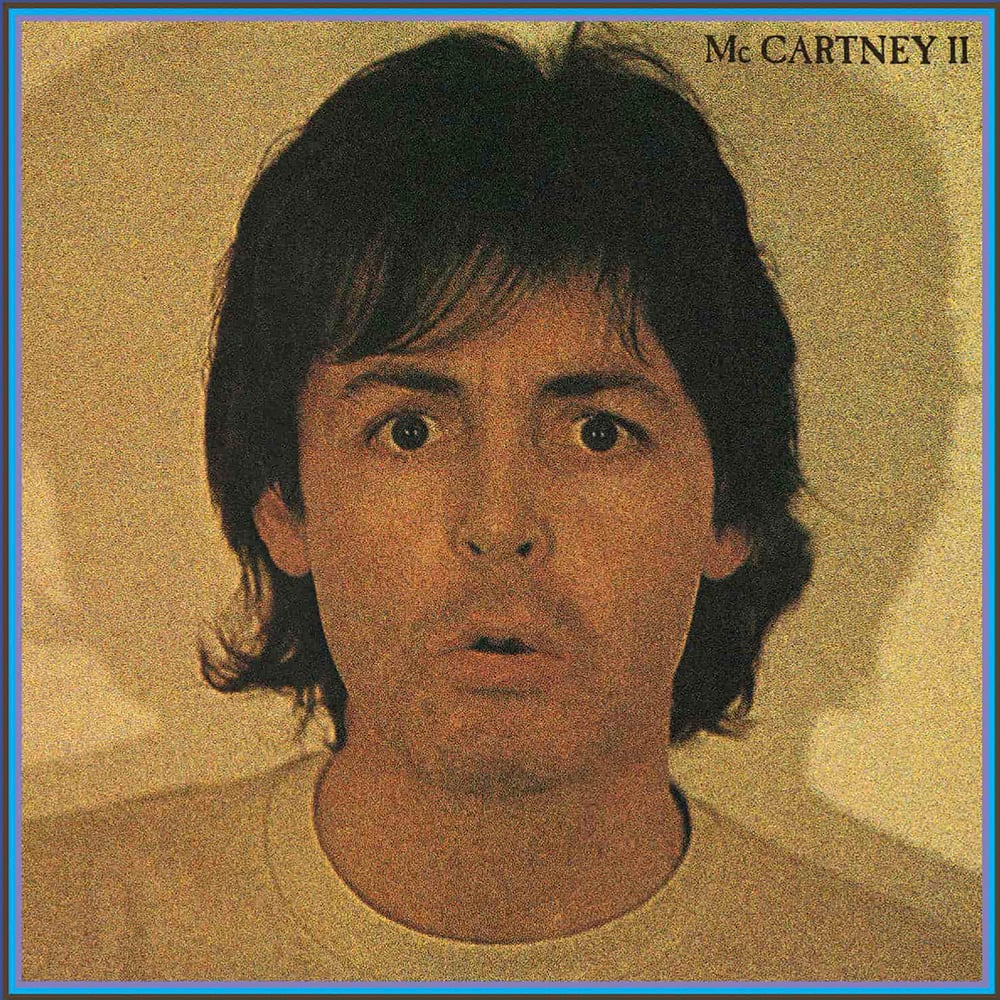
The end of the ‘70s wasn’t exactly kind to Paul McCartney. After overcoming the shadow of The Beatles with his career in Wings, Macca became a rock star all over again before he got detained in Japan for drug possession on what would be the band’s final tour. Instead of returning to the drawing board with his old band, McCartney settled in at home and made one of the most bonkers records of any ex-Beatle’s career.
Compared to most other punk and new wave at the time, McCartney II was still an overwhelming oddity upon first release. Using the rudimentary elements of his homemade recording equipment, McCartney delves into some of his most experimental songs, including the primitive synthesisers on the song ‘Waterfalls’ and the strange melody that is either irritating or genius on ‘Temporary Secretary’.
Although most audiences were confused then, McCartney’s second official solo effort has aged like a fine wine, being one of the first DIY rock records, which can still be felt in the music of acts like Billie Eilish later. Even inspiring his old writing partner John Lennon to emerge from his domestic bliss, McCartney II saw ‘The Cute Beatle’ still willing to push the boundaries of the pop formula he had built for himself.
‘Low’ – David Bowie
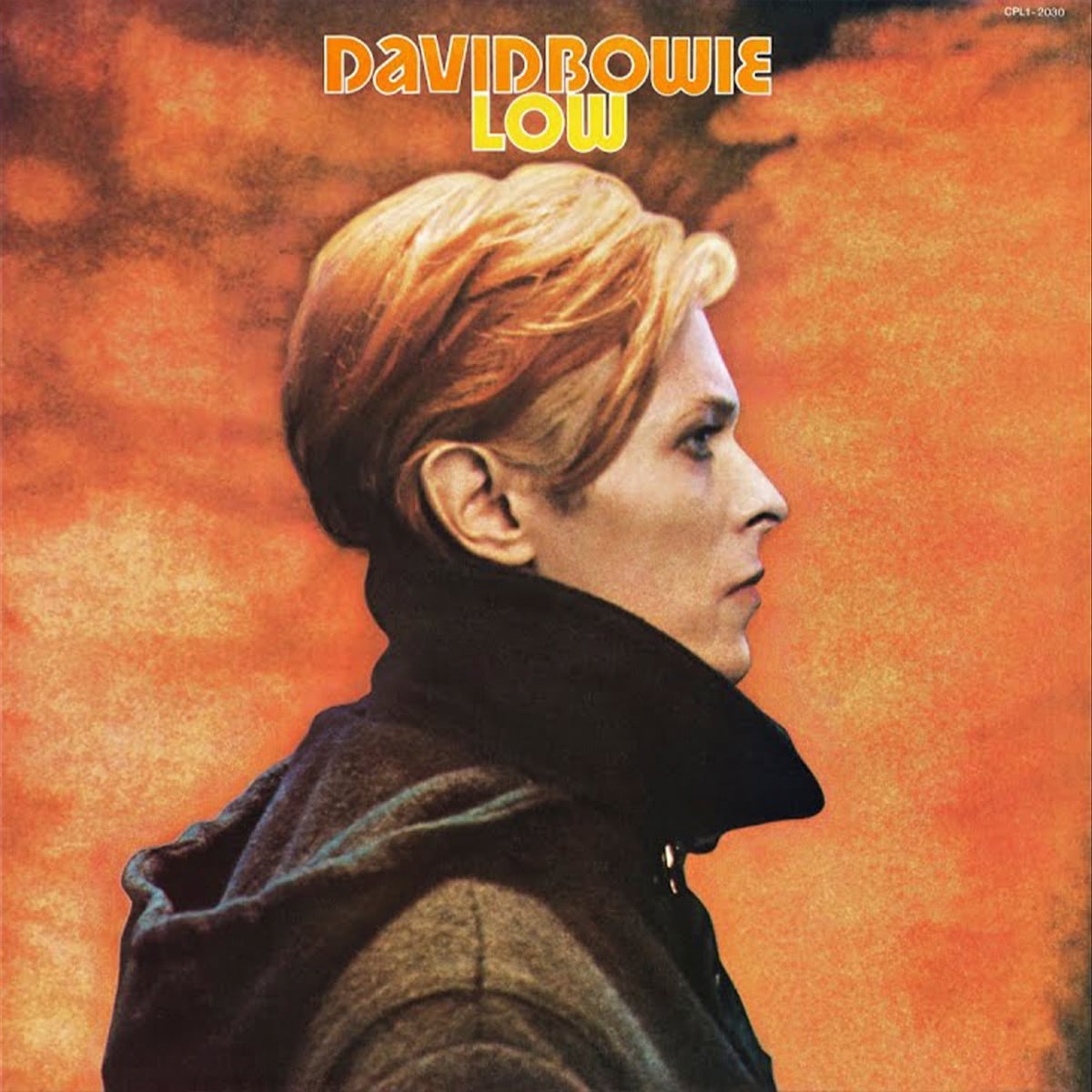
Part of David Bowie’s musical DNA was always about moving music forward. Although he could have easily given his fans some of the most outlandish glam rock music for the rest of his days, ‘The Starman’ was determined to follow his muse, dipping his toes into genres like soul and krautrock in the back half of the ‘70s. As he entered his Berlin period, Low stood as one of the most unique collections of songs Bowie would ever create.
Still in his krautrock mode, Bowie spends the first half of the record trying to strike a balance between his knack for hooks and the avant-garde musical instrumentation style behind his vocals. While most of the album delves into different genres throughout each song, the most memorable part of the record comes in the back half, where Bowie and Brian Eno test the limits of their songcraft with various instrumentals.
Despite the sounds of synthesisers feeling cold and calculated at the time, Bowie was on the verge of the post-rock movement on most of this record, paving the way for rock acts to dip their toes into more ambient music decades later. Bowie didn’t have time to bask in the glory of being an innovator, though. He was already halfway to making “Heroes”.
‘Kid A’ – Radiohead
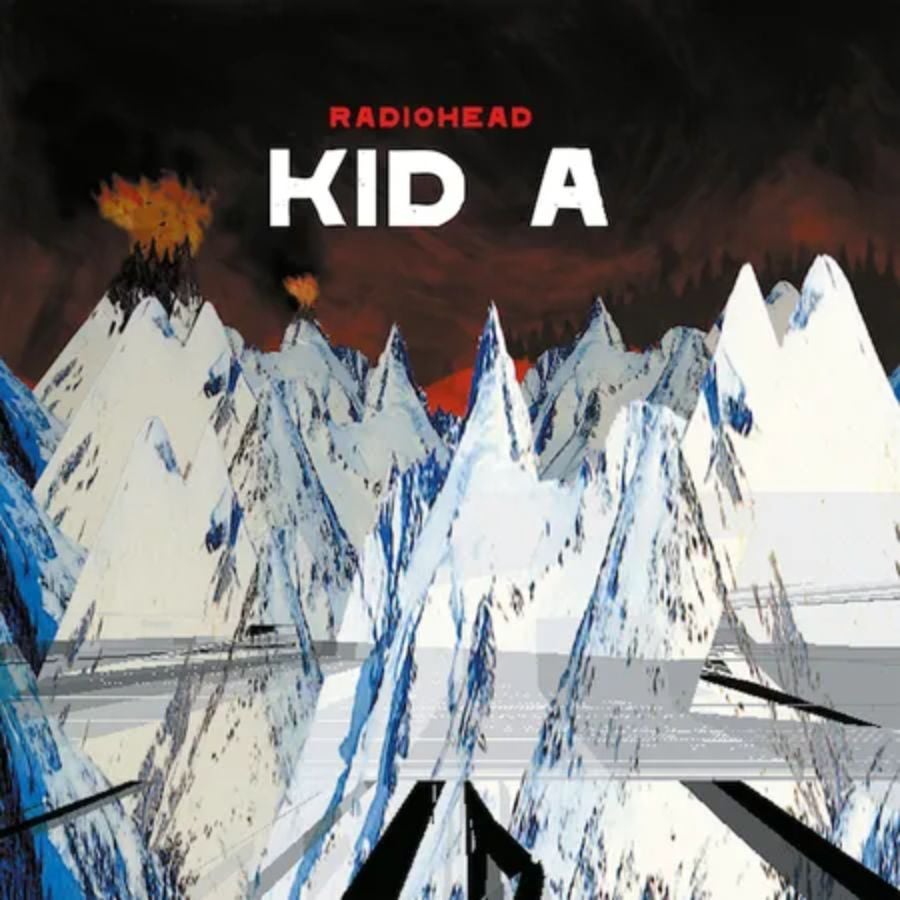
At the tail end of the millennium, Radiohead closed out the decade right on Ok Computer. Having swiftly avoided the tag of being a one-hit wonder in the wake of the song ‘Creep’, their conceptual masterpiece, centred around the dangers of technology, acted as a morbid look at what the future could hold for rock music in the 2000s. When everyone thought they had found the leader of the rock revolution, the band decided to take one of the most abrupt shifts in music history.
From the opening strands of ‘Everything in Its Right Place’, Kid A promises to be a much different affair than any previous rock album, with glitchy synths dominating Thom Yorke’s fragile voice. Though there might have been some strange avenues for some fans, Radiohead was on the verge of something much bigger, twisting their songwriting formula around with tracks like ‘Idioteque’ and ‘Morning Bell’.
Whereas most fans might have been confused, Radiohead had created a dystopian masterpiece that widened the playing field for rock and roll as the next generation became unafraid of using the ambience of electronic enhancements to make their songs come alive. Any abrupt switch like this could be the kiss of death for any other band, but with musicians of Radiohead’s calibre at the helm, this was hitting the reset button on their career.
‘Led Zeppelin II’ – Led Zeppelin
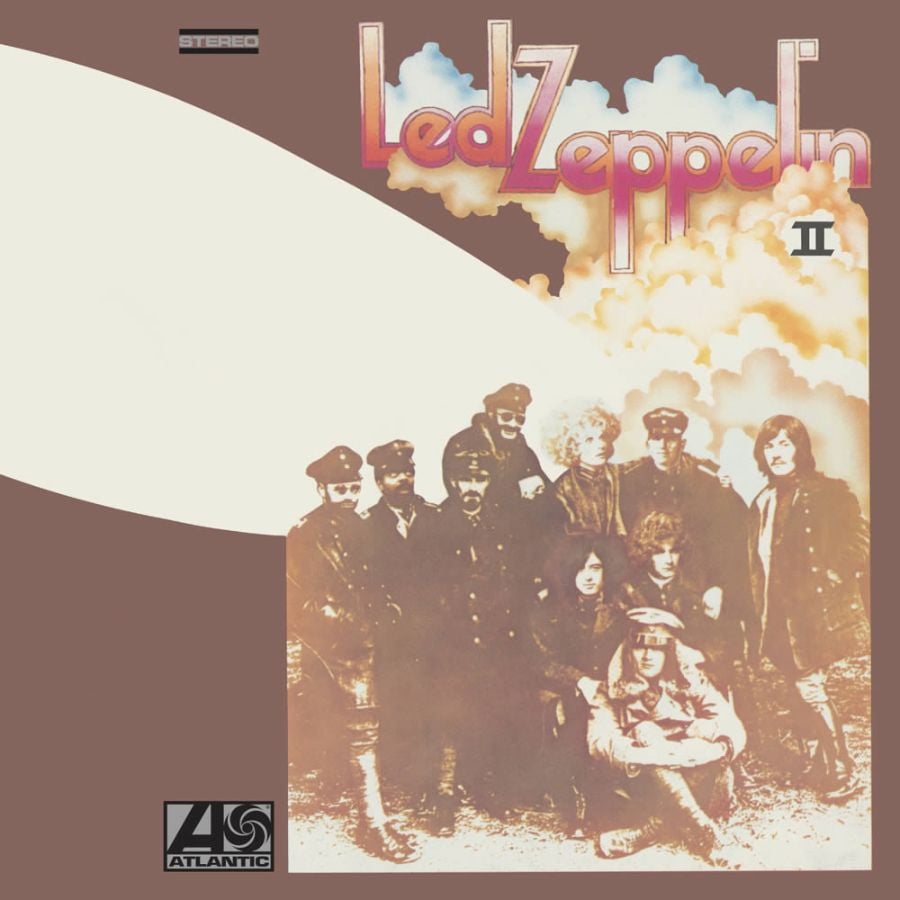
By the time Jimmy Page got Led Zeppelin together, the British rock scene had already seen its share of blues-rock acts. The allure of the supergroup Cream had already died out by the end of the ‘60s, and Page had already spent most of his days away from the session music scene making straight-ahead blues with The Yardbirds. Though Led Zeppelin’s debut promised to be something different, it wasn’t until their second effort that things began to gel into something else.
While there is still a fair bit of blues on Led Zeppelin II, like ‘The Lemon Song’ and ‘Bring It On Home’, part of its appeal is how Page subverts the listener’s expectations. Using different effects and a new approach to playing the guitar, Page invented the essence of the hard rock guitar riff, from the primal lust hidden in ‘Whole Lotta Love’ to making an acoustic guitar sound like one of the most important things in the world on ‘Ramble On’.
Behind Page, John Bonham became the ultimate example of what muscle sounded like behind a kit, approaching the instrument like a feral animal as Robert Plant tapped into his guttural wail across nearly every single track. While hard rock had existed in some form or another throughout most of the decade, Led Zeppelin II was practically a preview of what the ‘70s had in store.
‘The Velvet Underground and Nico’ – The Velvet Underground
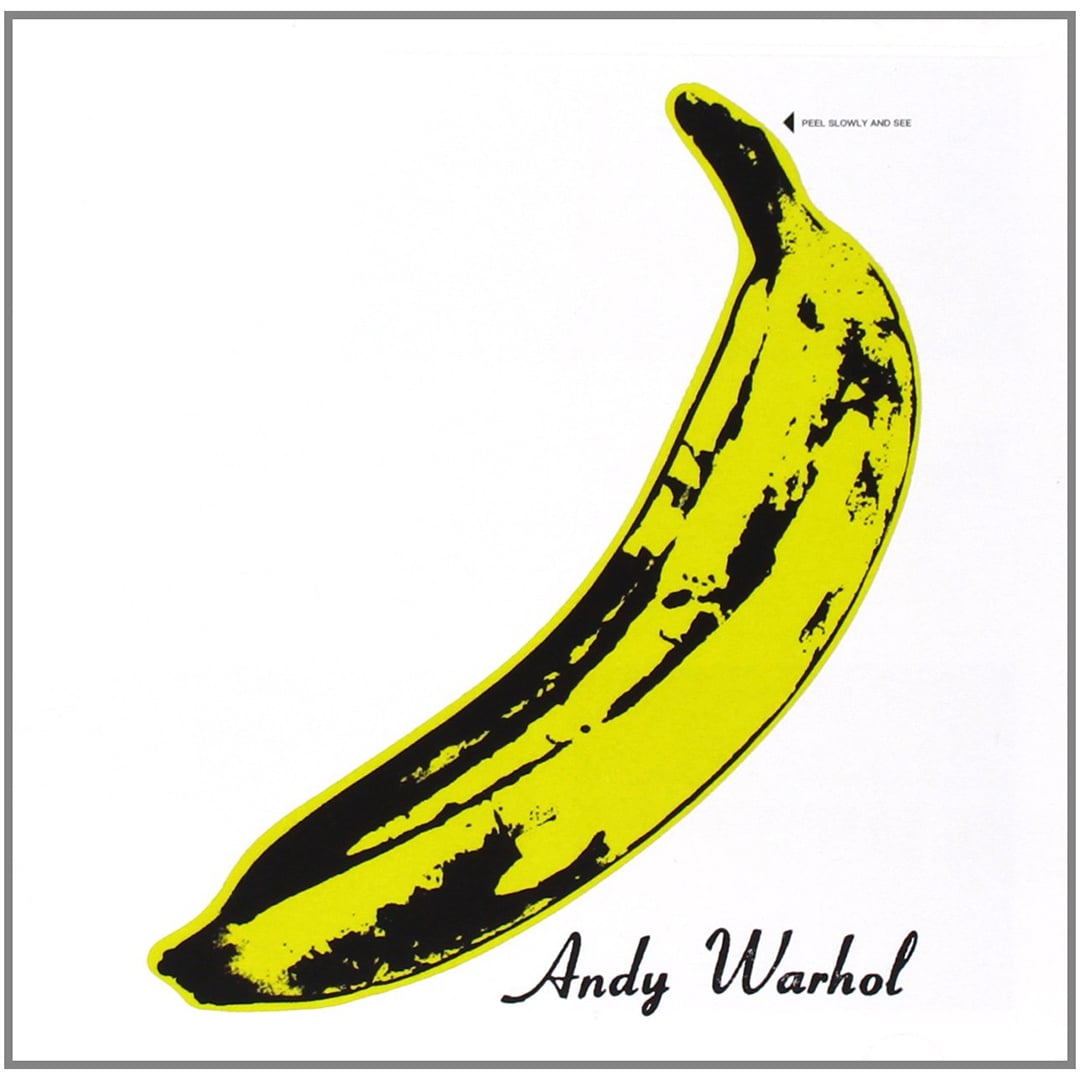
The greatest acts of the ‘60s are usually remembered for the power behind their songs. As much as fans wanted to bask in the glow of Flower Power for the rest of their days, the anthems by acts like The Beatles and The Rolling Stones held up because of how well crafted their melodies were apart from their volume. While it may have seemed like a joyous time to be alive, The Velvet Underground showed the world a different flavour of rock and roll.
In the midst of the hippy movement, Lou Reed’s songs may as well have been the soundtrack to a bad acid trip, giving fans an in-depth look at the grime that comes with living in New York City. Across each track, The Velvets’ penchant for nastiness is on full display, from the S&M bondage of ‘Venus in Furs’ to simulating the unbelievable high on the song ‘Heroin’, which gives the listener the sensation of a junkie on their last legs.
For all of the ugliness throughout the record, there’s also a fair bit of pretty elements in the mix as well, from the gorgeous opening swell of ‘Sunday Morning’ to Nico’s voice dripping with emotion on the song ‘I’ll Be Your Mirror’. Though The Velvet Underground may have been called the epitome of unprofessional when they first launched onto the scene, every musician that came out of the punk, alternative or indie scenes in the last 50 years owes them a debt of gratitude.
