


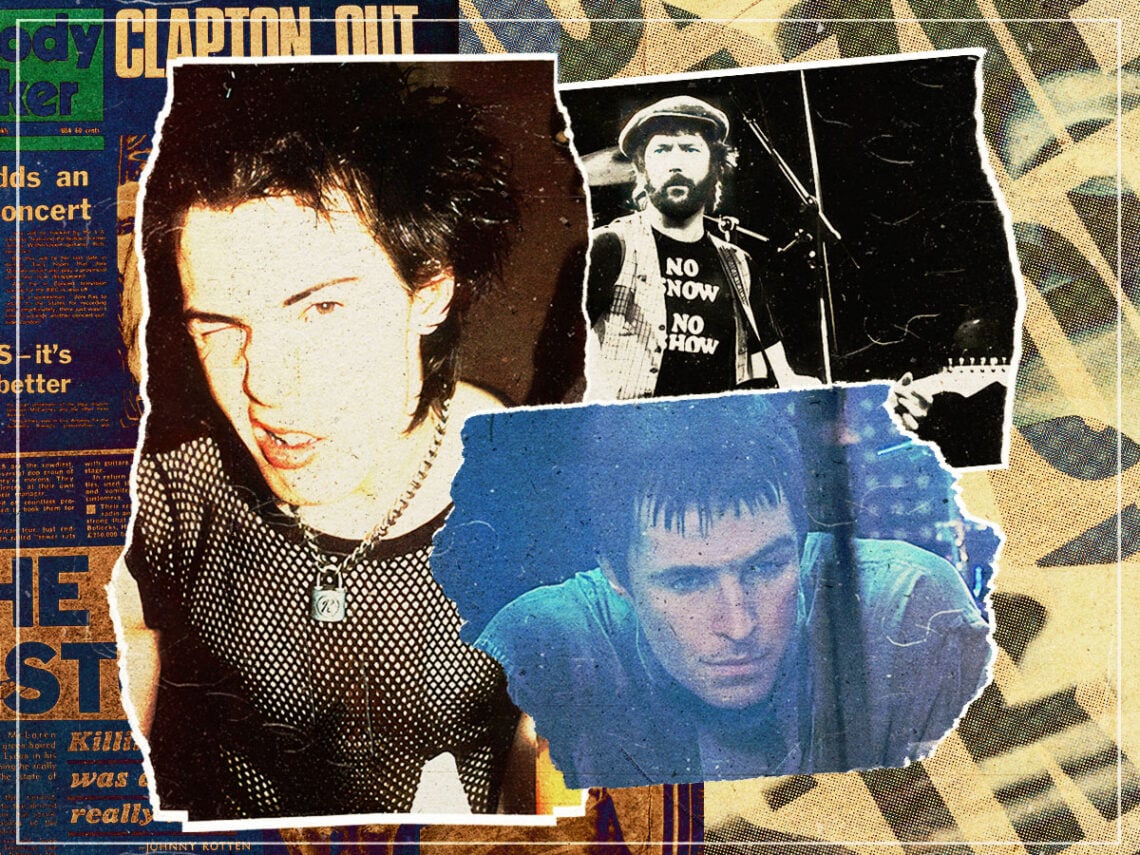
10 artists who killed their careers in seconds

It takes a minor miracle to reach the top of the musical world. For all odds that tend to be stacked against the artist before they even put out a song, they also need the right hook and more than a bit of luck to write a song that resonates with millions of people. Although they may have put in a lifetime of effort to become the best in the world, acts like Eagles and Oasis found themselves falling from grace in no time.
Even though a few acts were at least competent behind their instruments, their luck seemed to run out when they opened their mouths for interviews. From controversial statements to bad PR moments, one lousy decision sent every one of these artists plummeting off the charts, as their fans dropped them like a bad habit.
Granted, a handful of blackballed artists didn’t necessarily deserve the ridicule they had. Even though they stood up for what they believed in or were just caught in the crossfire of controversy, they still became casualties of the industry, gently fading away from view before fans could hear their next single.
Just because your time in the spotlight is gone doesn’t mean it’s entirely over, and many artists have successfully made second acts, either on the indie circuit or building themselves back up to at least a modest position in the music industry. Some may have been able to muscle through their controversial pasts, but they would never see the heights of their glory years ever again.
In many cases, the speed of that downfall says as much about the industry as it does about the artist. The same machinery that elevates musicians to untouchable status is often quick to withdraw its support when public sentiment shifts. Fame is rarely stable, and once the narrative changes, it can be almost impossible to reclaim control of it. A single misstep can outweigh years of careful work, especially in an era where controversy travels faster than the music itself.
Still, these rises and falls are part of the strange ecosystem of popular culture. Audiences are drawn to spectacle, both triumphant and tragic, and the line between the two can be alarmingly thin. While some careers end abruptly and others limp on in reduced form, the songs remain as proof of what was once possible. In that sense, even artists who fall from grace leave behind a reminder of how fragile and fleeting success can be.
10 musicians who killed their careers:
The Replacements
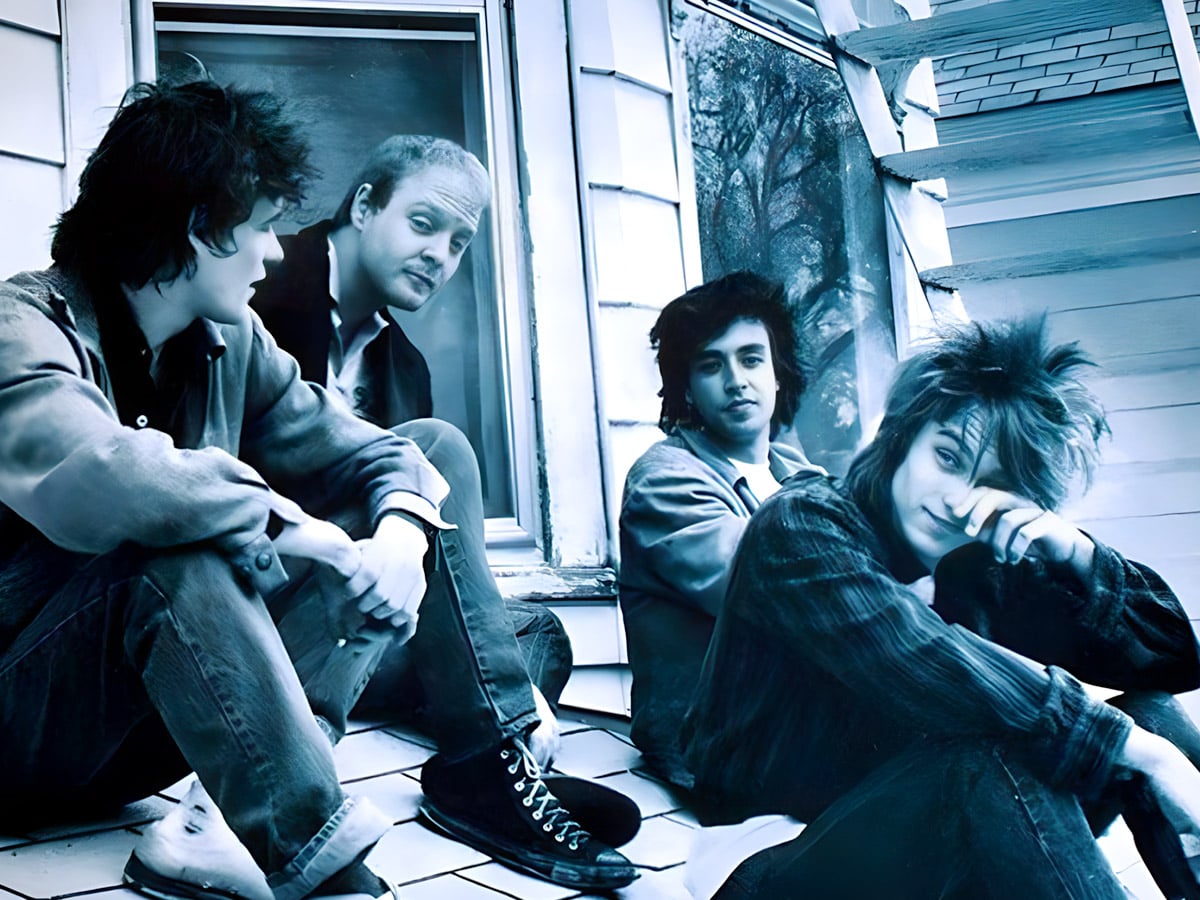
As the college rock circuit began picking up steam in the 1980s, it looked like The Replacements would become legends on the same level as R.E.M. Although Michael Stipe may have been able to tap into his introspective side on every song he made, the jaded lyrics of Paul Westerberg and the bar-band sloppiness of his bandmates made the punk rock drunkards an underdog amongst rock legends. When they were supposed to reach their creative pinnacle, their performance on Saturday Night Live sent them back down the tubes.
Being one of the first times they were on national television, the band dealt with their raw nerves like they always had: getting drunk. By the time they were set to perform, most of the group was hammered, often bouncing off each other onstage and giving a half-hearted performance of songs like ‘Bastards of Young’.
During the performance, Westerberg forgot he was on national television, motioning to guitarist Bob Stinson to play solo, calling him “fucker” on live television. While the performance may have captured all of the rough edges that made The Replacements so endearing as a live act, it also confirmed that they wouldn’t be played in living rooms worldwide either.
Janet Jackson
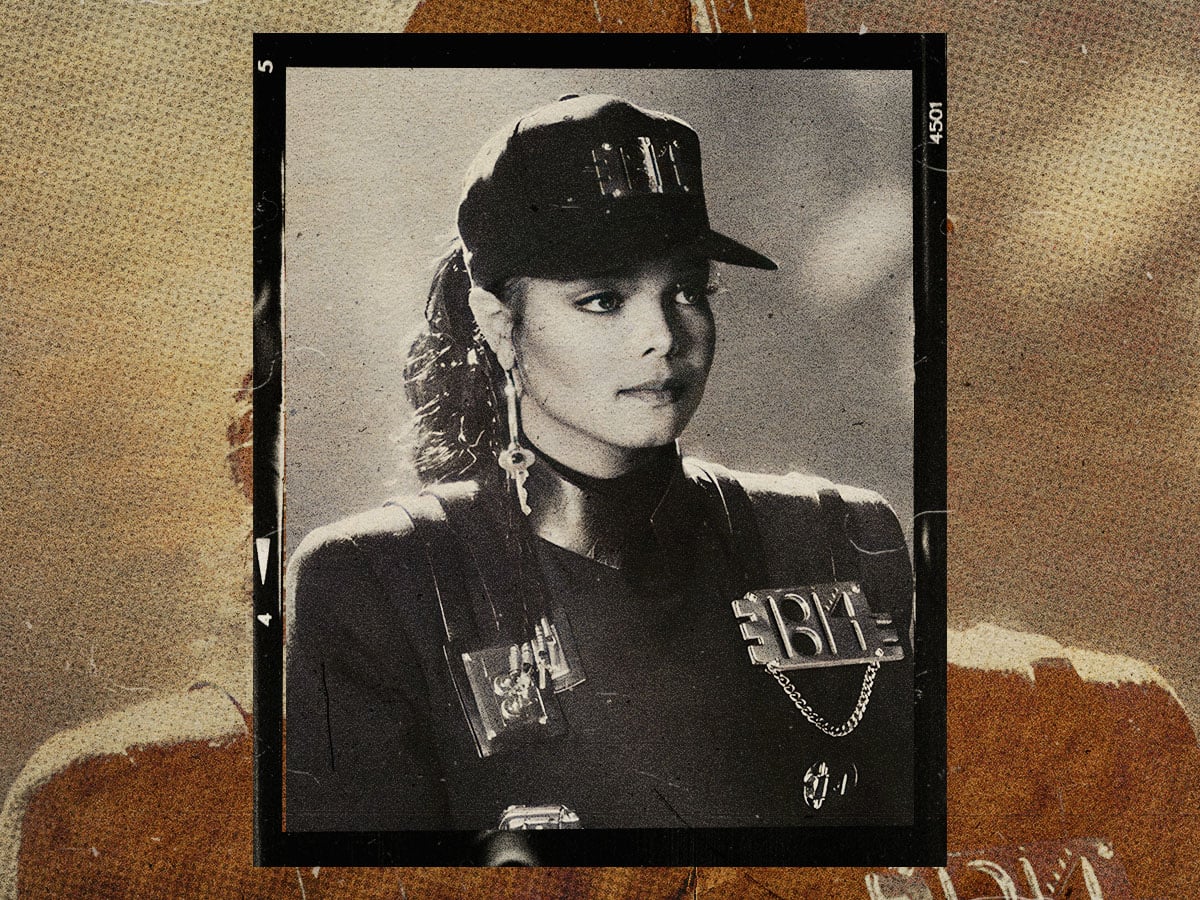
In every professional situation, the show must go on. No matter how many mistakes might happen before going into a performance, the best artists know how to go on autopilot and deliver a mesmerising set for the people who paid good money to hear them sing. While Janet Jackson wouldn’t let anything get in the way of her appearance at the Super Bowl Halftime Show, her subsequent career decline had nothing to do with anything she did.
Performing alongside Justin Timberlake on the song ‘Rock Your Body’, Timberlake completed the show by removing a piece of Jackson’s shirt. Though he was supposed to rip off only a portion of her outfit, the rest of her clothes came with it, exposing her breast to every television in America.
Although Timberlake was the one who initiated the dance move, all of the blame was placed on Jackson, with her videos being banned on MTV and radio stations no longer playing her hits. Even though ‘Ms Jackson’ was not at fault for what Timberlake had done, ‘Nipplegate’ was too much for the American public to bare.
Eagles

For a little while, it felt like the Eagles would carry their audience through years of California sunshine. Throughout the 1970s, the songwriting partnership of Glenn Frey and Don Henley produced magic whenever they stepped into the studio to write. As things became more tense among the band members, one show in Long Beach marked the manifestation of Frey and Don Felder’s rivalry.
Performing as a charity gig for Senator Alan Cranston, the band showed up during the ceremony, where Cranston thanked all of the artists for playing that day. After Felder made a passing comment back at the senator, Frey went into a frenzy, not confronting the guitarist about it until they went onstage.
In between songs, Frey could be heard lobbing insults towards Felder, claiming that he was going to kick his ass once they got off the stage. When the bad made it backstage, Felder smashed his guitar and drove off into the night. While the band would reform during the 1990s for Hell Freezes Over, the golden age of the band ended that night.
U2

Towards the start of the 2010s, U2 felt more like a brand than a proper band. As opposed to the hopeful messages of pushing forward from the 1980s or even the ironic edge of their 1990s work, Bono started to look like a shell of his former self, making songs that felt like a redo of the group’s glory years. While it’s natural for bands to get old and pull from their old material, U2 went the extra mile to make sure people heard Songs of Innocence.
While the usual press junket involves an album rollout and press interviews, U2’s decision to partner with Apple and put their album on everyone’s iPhone caused a stir amongst diehard fans. Instead of letting fans evaluate the music, the Irish rockers were seemingly jamming their album down their listeners’ throats without asking.
Despite the actual album being a decent slice of U2-flavoured rock and roll, more people had trouble getting the album off their phones than were talking about the quality of the music. U2 may have been about inspiring hope in their listeners, but all this album inspired was a desire to switch cell phone providers.
The Clash

As punk rock died down, it looked like The Clash would go the distance. Once new wave began taking over after the dissolution of the major punk acts, the songwriting team of Joe Strummer and Mick Jones were toying with what punk was supposed to be going into the 1980s with albums like Combat Rock. The minute fans heard Cut the Crap, though, ‘The Only Band That Mattered’ had become a shell of themselves.
After sacking Jones for his rock star attitude, Strummer got two Clash fans to play guitar on the album instead. What was supposed to be the group’s bold return to form became one of the most unlistenable records in rock history, featuring blaring synthesisers and drum machines alongside the most insipid lyrics Strummer would ever write, like ‘Fingerpoppin’.
While Jones would bounce back with Big Audio Dynamite, even Strummer admitted in hindsight that the band that made Cut the Crap didn’t deserve to have the The Clash name anymore. Compared to the gradual falls from grace that can happen in rock and roll, The Clash are responsible for one of the steepest drop-offs in music history.
Eric Clapton

For the first half of the 1960s, Eric Clapton was the archetype of what many would consider a guitar icon. Before Jimi Hendrix began reinventing what the six-string could do, ‘Slowhand’ was used to making his guitar scream, making fiery electric blues with The Yardbirds and the heaviest rock imaginable with Cream. While a solo career promised to be even better, Clapton may be one of the few artists to be able to tank his career twice.
The first came in the mid-1980s when Clapton made disparaging remarks about the English population. Despicably saying from the stage to “Keep Britain White”, the Rock Against Racism concerts were made as a direct retort to his bigoted tirade. While Clapton got back into the public’s good graces with songs like ‘Tears in Heaven’ in the 1990s, his statements in 2020 did nothing to endear him to the pop crowd.
Despite being known for his rock legend status, Clapton’s collaboration with Van Morrison about his scepticism of Covid-19 became one of the biggest missteps in classic rock history, implying that the media was taking away fundamental freedoms by encouraging people to wear masks. Although ‘Slowhand’ has been able to bounce back from any controversial statement he makes, there are only so many controversies one can be involved in before fans start getting turned off.
Sinéad O’Connor
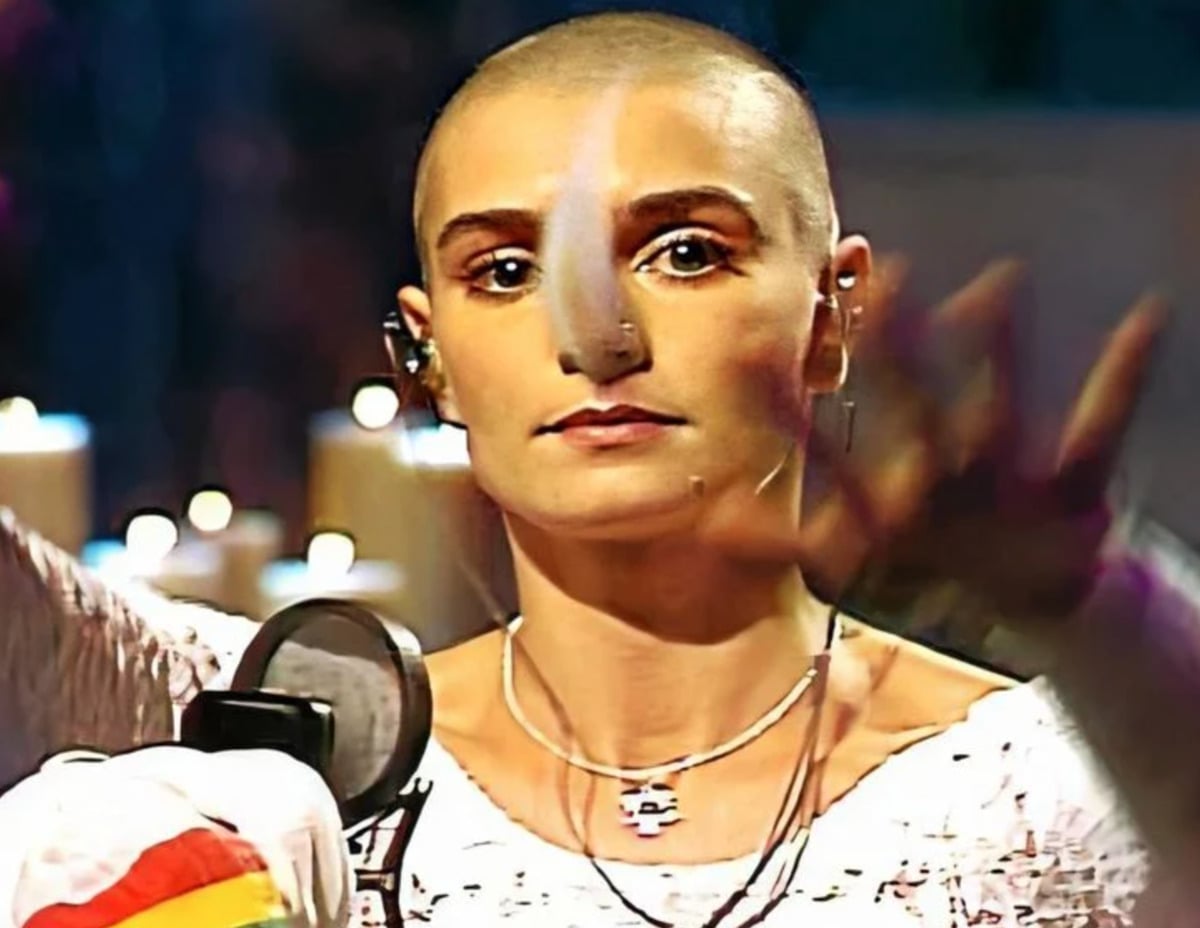
Any rocker worth their salt will stand up for what they believe in. Even if it isn’t the popular opinion, it’s the artist’s job to say what’s on their mind, regardless of whether the market is ready for them to hear it. Although Sinéad O’Connor was ready to call out the problems with the Catholic Church, the rest of the world wasn’t willing to listen when she went on Saturday Night Live.
When coming back from the commercial break, O’Connor performed a solo a cappella version of Bob Marley’s classic ‘War’ before ripping up a photo of Pope John Paul II, saying, “Fight the real enemy”. While she had been protesting the ongoing sexual scandals that the church had kept hidden, it didn’t go over well with the viewing public, who lambasted O’Connor for taking an anti-religious stance on national television.
Though O’Connor would continue to release music, her time as a chart mainstay ended in America, with many protesting her for speaking out against religious authority. Although O’Connor regretted making a public spectacle of her actions, she held onto her distrust of the church until her death.
Pink Floyd

From the outside looking in, Pink Floyd felt like a democracy. While Syd Barrett may have been the leader in the 1960s, seeing them carry on without their frontman brought every member to the forefront, each contributing mind-bending moments to albums like Animals and The Dark Side of the Moon. Coming off of The Wall tour circuit, though, the internal magic stopped when they got back into the studio.
Having been dictated throughout the last album cycle by Roger Waters, The Final Cut was comprised of mainly B-sides that had to be cut from The Wall. While the rest of the band worked through Waters’ ideas, he decided he didn’t need the rest of Floyd anymore, abandoning the project for a solo career.
Although David Gilmour and Nick Mason kept the project going for a few more years with albums like A Momentary Lapse of Reason, the classic period of the band would never be the same, lacking the gravitas and songwriting expertise that Waters could do naturally. Whereas the original Floyd had a beating heart at the centre of their songs, the back half of their career is just a slightly psychedelic version of elevator music.
Sex Pistols
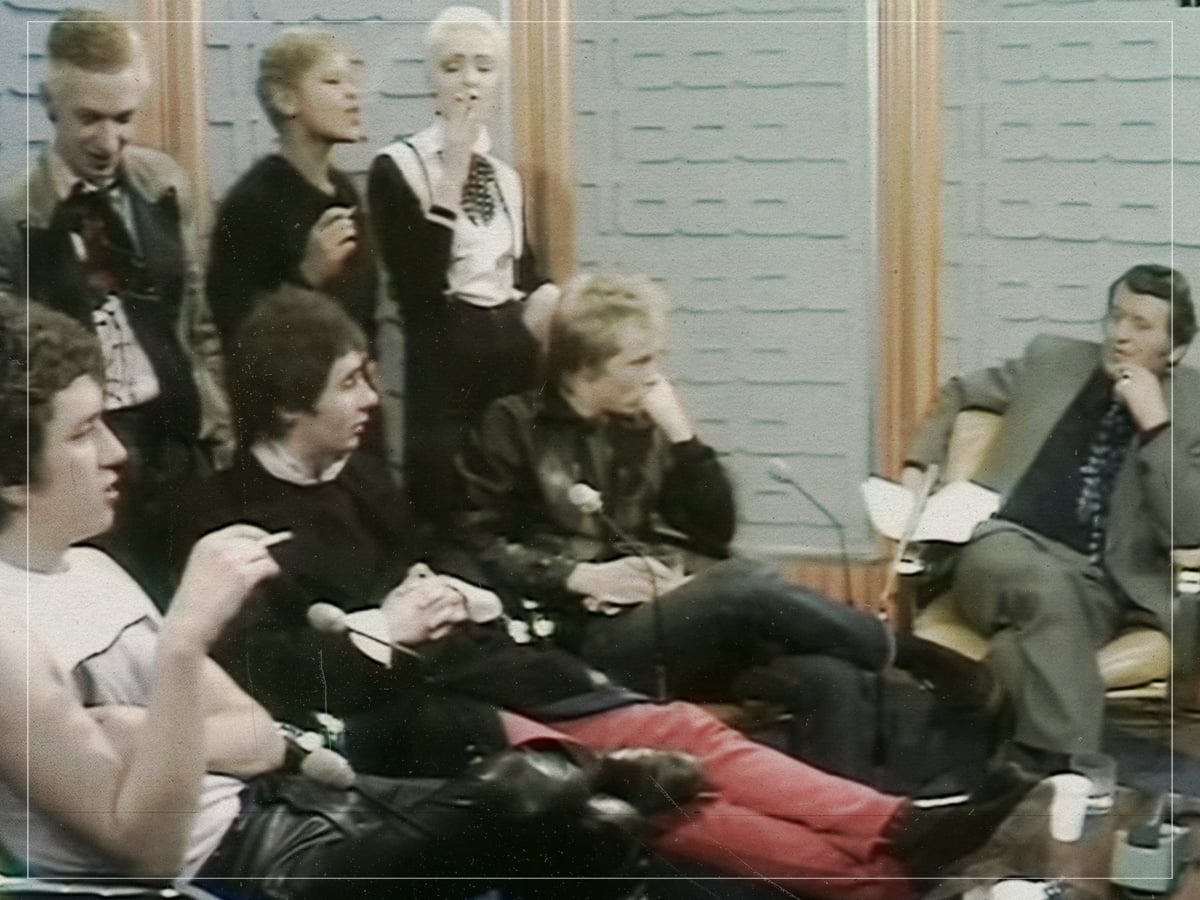
The entire ethos of Sex Pistols was based on creating as much chaos as possible. Coming from the punk rock underground, the controversy surrounding the lives of Johnny Rotten and Sid Vicious was so wild that music almost seemed to be an afterthought. Then again, when a career is built on anarchy and chaos, it’s no surprise that it would end poorly.
After recording their debut album Nevermind the Bollocks under dire conditions and creating the chaotic film and soundtrack to The Great Rock and Roll Swindle, the Pistols had practically done all they wanted to do in the public eye. Once the band landed in America for their following tour circuit, no member could be asked to care anymore.
While Vicious continued his hedonistic streak by infamously carving his chest before a show in Texas, Rotten had had enough of the touring cycle, saying from the stage at a San Francisco show that he had no desire to perform with the band anymore. Once the show ended, every member went their separate ways, hitchhiking their way back to England before calling it a day. The Sex Pistols may have gone out with a whimper, but they left behind some of the most glorious chaos that any band could muster.
Oasis

From day one, Oasis seemed to be on the verge of splitting up at any given moment. Going through their entire career, there was no telling when the Gallagher brothers would finally have enough of each other and leave the band behind. Although they soldiered through the massive internal fights and the disastrous sounds of Be Here Now, the last straw came during a show in Paris.
After spending the lead-up to the gig trashing the world’s press, Liam began to get agitated with Noel, who he accused of making him look like a horrible person in the media. While Noel usually took the high road in such scenarios, Liam stormed into the dressing room and started swinging around an acoustic guitar, nearly hitting Noel.
Smashing the guitar on the floor, Noel stormed out of the backstage area and back onto the bus. Though bust-ups like this had happened in the past, Noel had decided that it wasn’t worth going back into the gig, leaving the fans without a show and announcing the band’s breakup a few hours after he left. Considering that was the second-to-last gig that Oasis had on the tour, there’s no telling what might have happened had they decided to take a break from each other.
