


10 masterpiece albums that were never supposed to be made

Part of making a musical masterpiece is about being in the right place at the right time.
Sometimes the stars can align perfectly and without thinking an artist can find a way to turn in a record that was far from what anyone intended when they first began the project. But even if it wasn’t the version that they thought about, bands like The Beatles somehow managed to make their lesser-ran albums staples of their discography in no time.
Then again, that comes from a variety of factors. Not every band member gets the final say with what’s on a record, and even if the record company thinks that the album is fantastic, they will always be willing to force them to change things if it means getting the result they were looking for. But even if that’s the way that most people look at the monetary side of the industry, a handful of albums here were never meant to exist at all.
In fact, a lot of records from this list come from albums that artists practically had nothing to do with. Whether they had their name thrown on it at the last second or ended up raiding their vault of odds and ends, a lot of the records that people revere can also be a case of the artist trying as hard as they can to cobble together a bunch of songs that resemble an album rather than a body of work.
Even if this wasn’t what the band themselves wanted to release, they have given fans their fair share of classic tunes all the same. It’s not exactly what artists might think of when looking back on the highlights from their career, but when the stars align, the greatest musicians in the world can come from people not even knowing that they’re working.
10 albums that were never supposed to be made:
Queen Rock Montreal
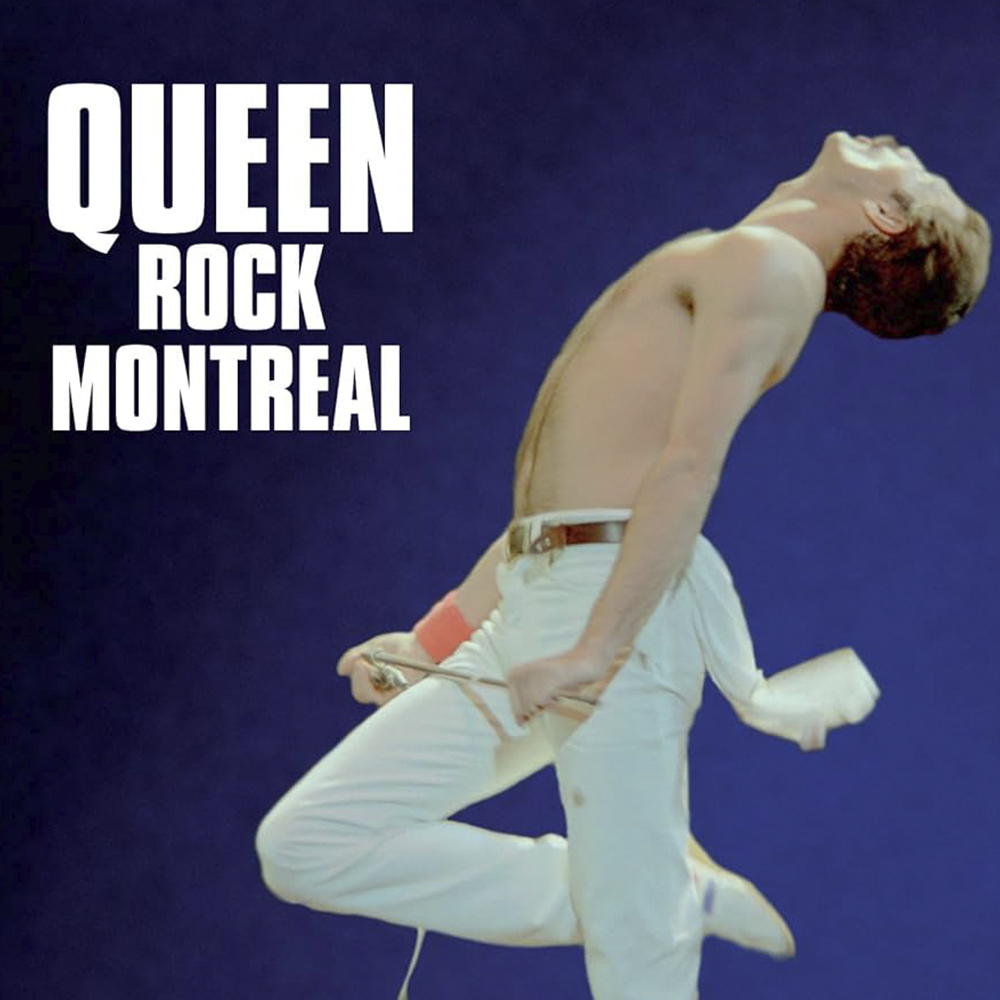
Queen were always a band that belonged onstage. As much as Freddie Mercury relished the opportunity to use the studio as an instrument whenever he could, there were always bound to be moments where he would blow any studio take out of the water the minute he got onstage. And while Queen have had more than their fair share of iconic moments onstage, one of their all-time best shows was dangerously close to being shut down before the band even set foot in the stadium
Because as much as the band loved the idea of giving the fans what they wanted, their performance at Montreal was as much of a nuisance for them when they first appeared. When they first got onstage, they originally hated the idea of these giant video cameras following them around whenever they played, which leads to a lot of moments that sound a little bit ramshackle, like them performing ‘Tie Your Mother Down’ a bit faster than they would have normally played it.
But both the album and the digitally-restored footage looks absolutely incredible, with every band member in their element and playing their hearts out whenever they tear through their hits. Although Live Aid already had a gentle mishap with Mercury toying around with a cameraman midway through the broadcast, giving them the chance to see them in their natural habitat would make most people think that their studio records never matched up to what they could do together onstage.
Face Value – Phil Collins
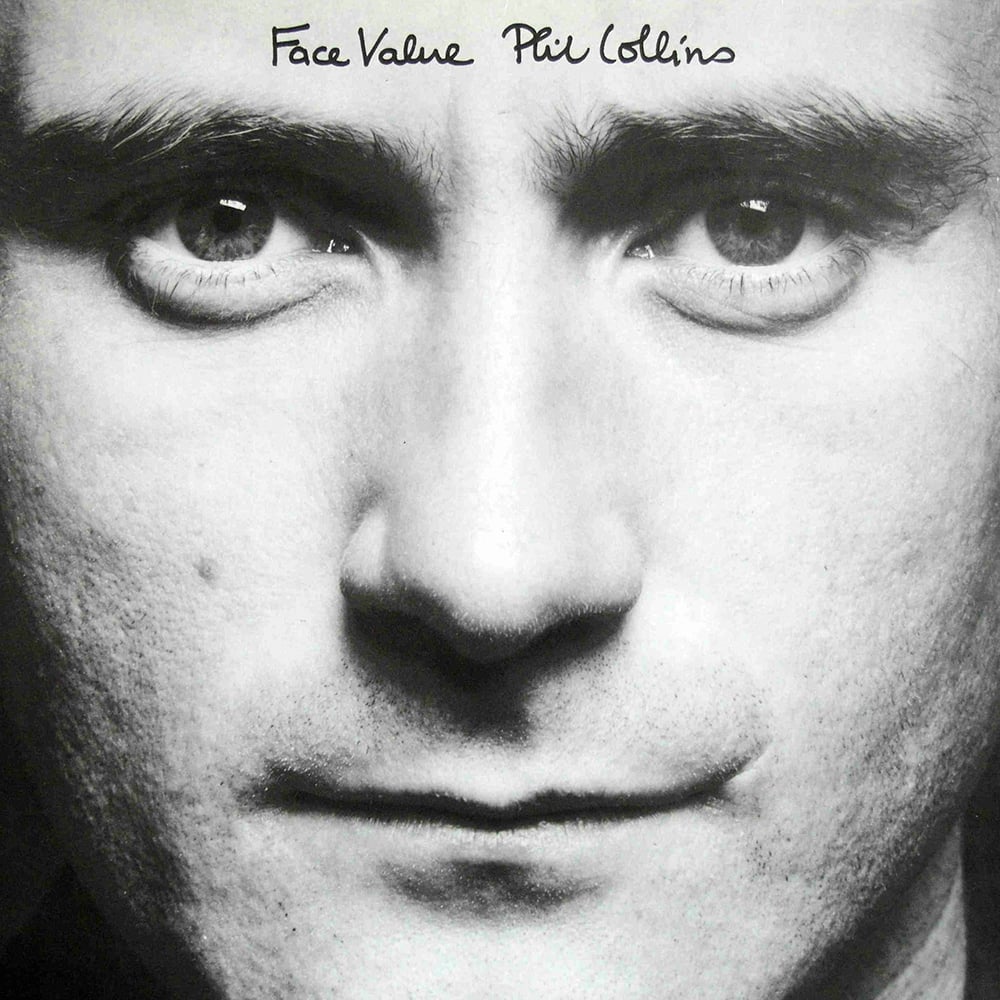
The entire makeup of Genesis was already on the rock when Peter Gabriel left. He had been their rock for many years, and while Phil Collins was a worthy replacement when he walked out from behind his drum throne, there were bound to be a few fans craving the classic costumes that Gabriel would wear whenever he performed. But if it was already strange watching the band play completely straight, seeing one of them branch out into a pop star was like a splash of cold water when Phil Collins came out with Face Value.
However, Collins simply wanted an excuse to make music to exorcise his demons. Genesis were on hiatus while he worked on his marriage, and while the union didn’t last, Face Value was practically the soundtrack to him not wanting to let his other half go. Each song is a different letter to his ex-wife, and while a few can get downright sinister like ‘In the Air Tonight’, you can hardly blame Collins for wanting to switch things up when he was moving away from Genesis.
But not even Collins could have figured out where he was heading next when he became the biggest band member and pop star in the world for the next few years. Kudos to him for pulling off one of the most impressive balancing acts in music history, but really, the fact that Face Value was good enough to launch an entire career was practically a miracle coming out of all that emotional turmoil.
Lindsey Buckingham Christine McVie
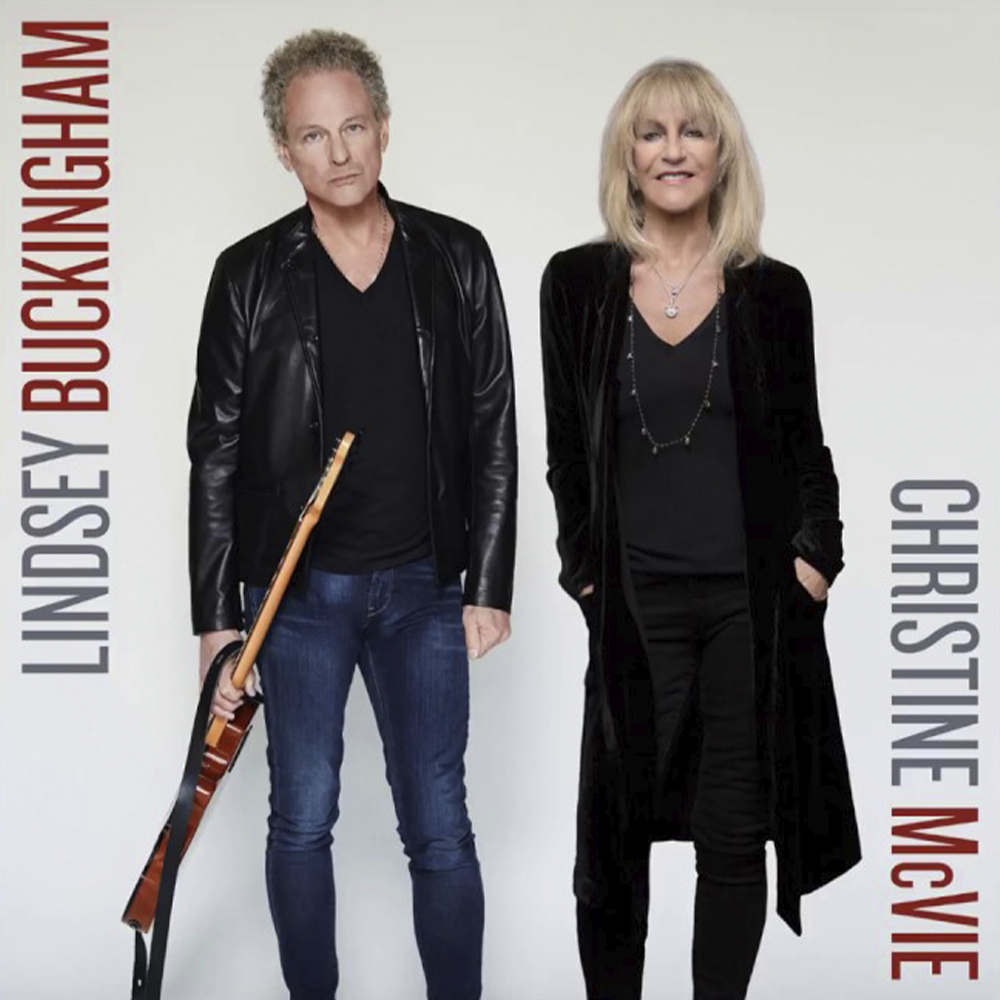
Any chance of getting a new Fleetwood Mac album these days are practically slim to none. The remaining members do love each other as players and performers, but given how important Christine McVie was to their sound, there’s no sense in anyone trying to recapture that magic with a new lineup. And since Lindsey Buckingham will forever be missing from their final chapter, we did get the next best thing to a Fleetwood Mac project when he teamed up with Christine one last time.
Although Buckingham and McVie may very well be the only pairing in the group that didn’t have an affair together, hearing them work together as a duo is a breath of fresh air. Buckingham was always the pop wizard behind the group, and since McVie never wrote a bad song for them, hearing them perform as a duo gives them a lot more room to show their introspective side, especially McVie, who had been radio silent ever since she left the band.
But the biggest surprise of this album was that it was intended to be a Fleetwood Mac project, only for Stevie Nicks to not get the memo in time and Buckingham releasing the songs as they were. It does sting knowing that Nicks could have taken this album from great to legendary, but it’s not like anyone’s complaining about having fantastic new music out there in the world from two of the finest songwriters of the 1970s.
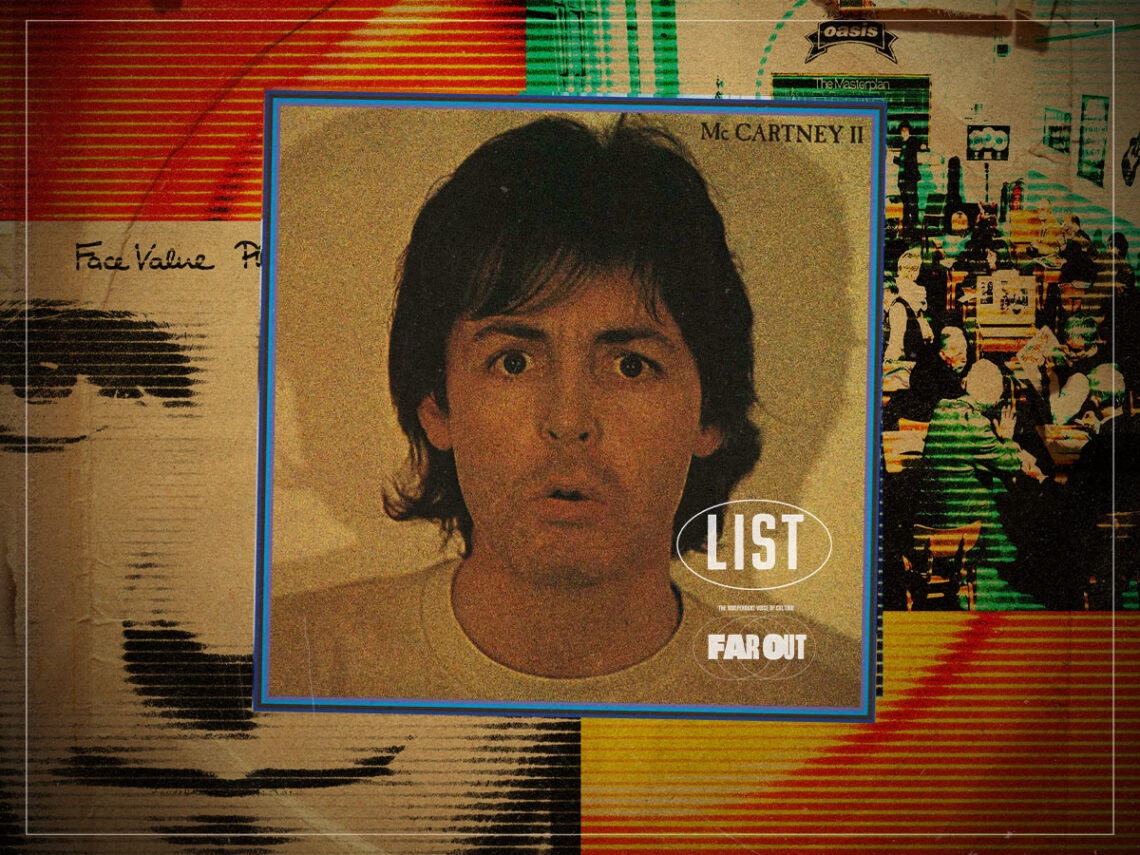
McCartney II – Paul McCartney
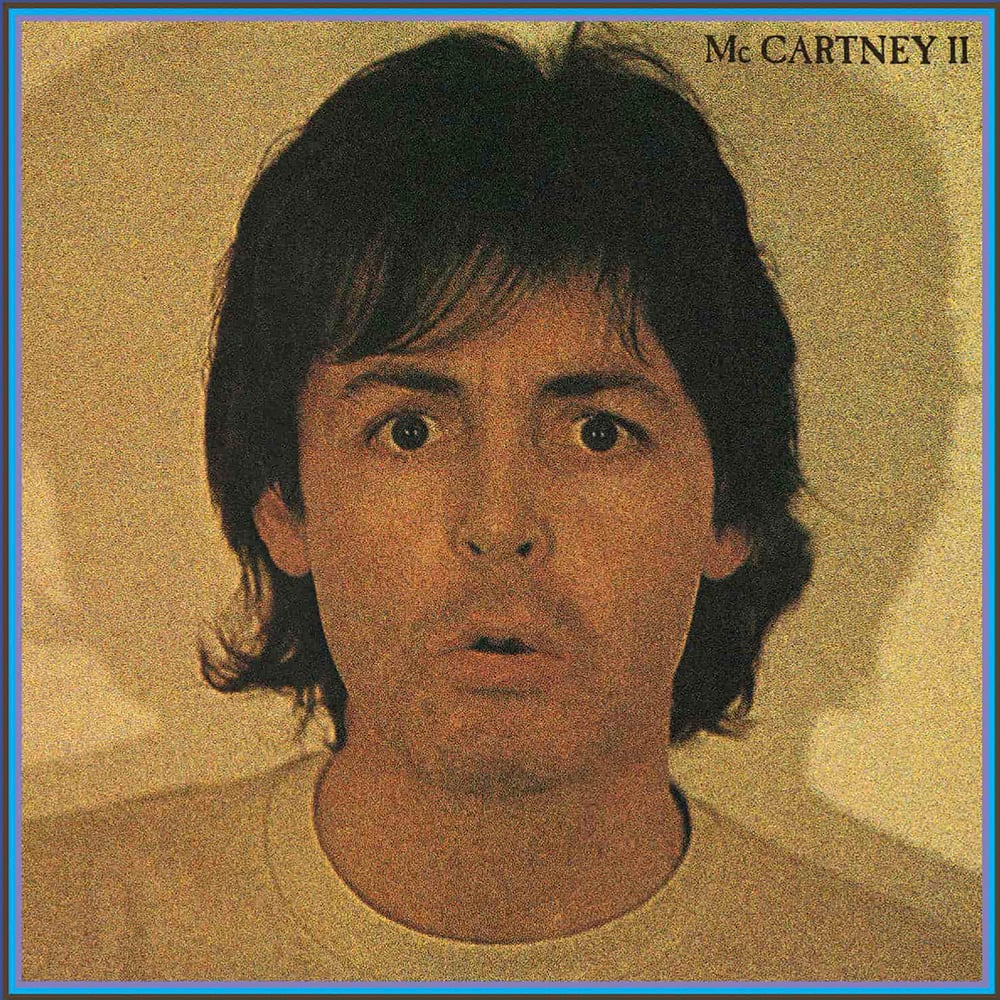
The entire Paul McCartney solo catalogue almost feels like it was created by mistake. McCartney never wanted to be a solo act when he quit The Beatles, and even if he put out what amounted to a demo album on his first try, it only took a few more records for him to form another band and have other people to share the music with. Once Wings finally went kaput, though, Macca found himself alone in his house, and with no one around, the next best thing was for him to hire a machine and throw out the rules.
Whereas McCartney gets a lot of critical praise for having singles like ‘Maybe I’m Amazed’ on it, McCartney II felt like it was put together for a goof in exactly the right way. McCartney wanted to fiddle around with new technology, and since there was no real sign of Wings coming back together, he eventually got convinced to release this as his next record, complete with some of the most forward-thinking tunes of his career like the danceable ‘Temporary Secretary’ or the gorgeous ‘Waterfalls’.
For as much as Macca was known as a stickler for perfection when he was in The Beatles, the fact that he could make an album this ramshackle sound fantastic helped set him up for the solo career that he needed all along on Tug of War. While this would have probably been shelved today or released under a pseudonym like he did with Percy ‘Thrills’ Thrillington or The Fireman, it’s fantastic to hear what McCartney can do when he’s left to his own devices and getting a bit weird.
<em>Who’s Next – </em>The Who
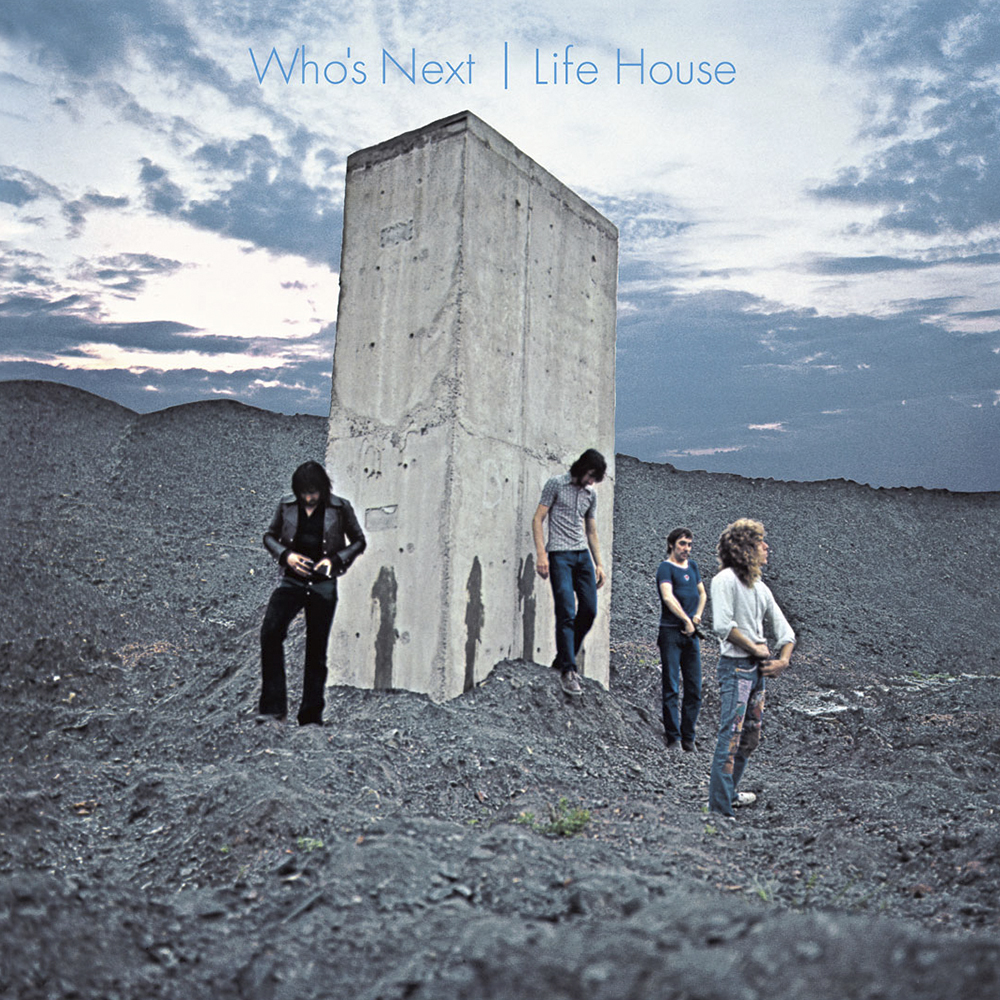
Pete Townshend never wanted to settle for the common way of releasing albums. Most people had had enough of the collection of singles, and when The Beatles started transforming the medium, he wanted the opportunity to take a more advanced approach to those slabs of vinyl. Music could mean more than a catchy tune, and while he found his calling telling musical stories, it’s not like Townshend knocked it out of the park every single time he tried to turn something on its head.
Because for as amazing as Who’s Next is, we’re only hearing the scraps of what could have been here. Townshend already had a new album planned entitled Lifehouse, but when listening back to the songs, no one was able to grasp the story that much. Roger Daltrey had talked about the “script” of the record not making any sense, but the makings of a good record did eventually find their way onto this album.
And from the sounds of the story-driven songs, it sounds like it would have been great, especially listening to the massive weight of ‘Won’t Get Fooled Again’ or the heartbreaking kid in the middle of ‘Behind Blue Eyes’. There’s no telling what Townshend would have done had he had the proper time to work on, but considering the masterpiece that he would have one album later on Quadrophenia, Lifehouse could have been poised for that kind of treatment had it had only a few more months of work.
Full Moon Fever – Tom Petty
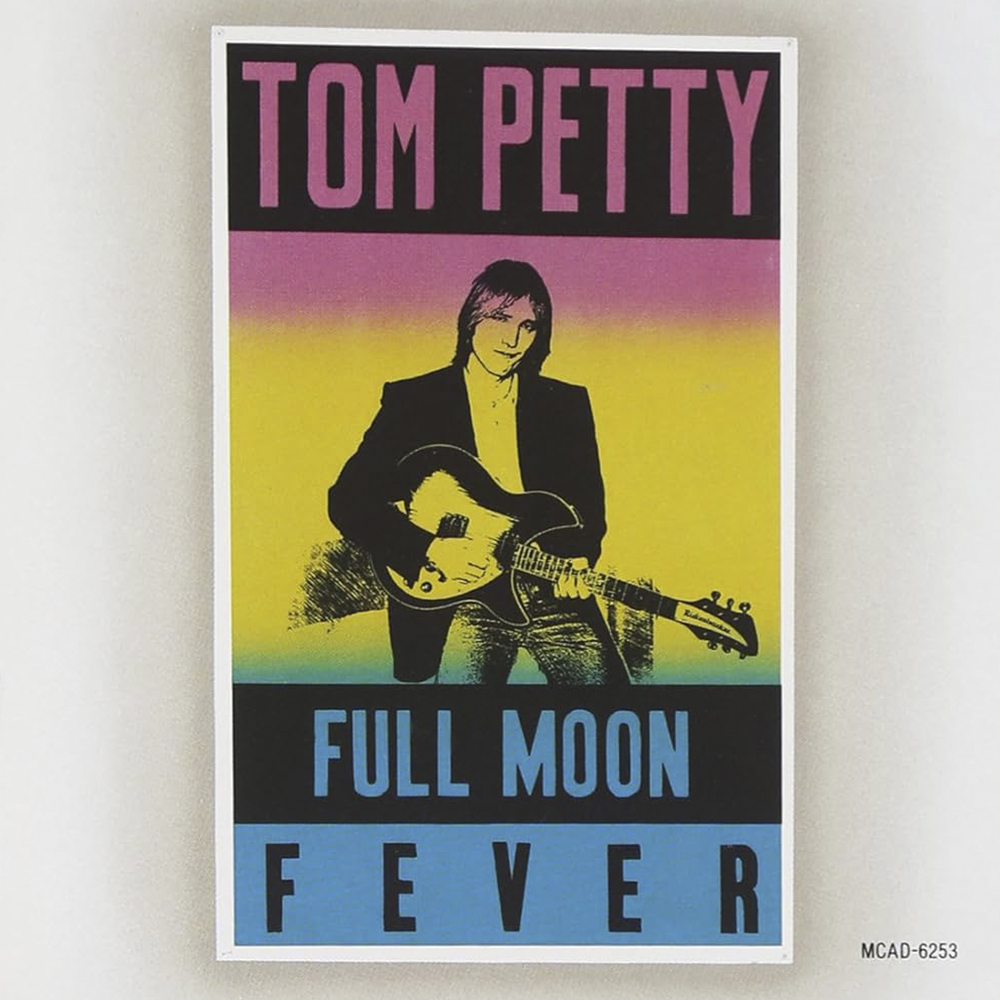
Tom Petty was never itching to go solo by any stretch. He had the Heartbreakers for a reason, and even if they could get tired of each other every now and again, they played together in the same way that brothers played together when they were kids. But once Petty started having the time of his life in a new band, Full Moon Fever felt like he was working on a project rather than completing a record.
The Traveling Wilburys were already a small miracle unfolding in the late 1980s, but in between working on the first and second record by the supergroup, Petty figured he’d have some fun by bringing in Jeff Lynne to work on a project. Although the whole thing would have made for a brilliant Heartbreakers album, Full Moon Fever is the sound of Petty, Lynne, and Mike Campbell trying their best to get everything down on tape before Lynne eventually had to leave to go back to England.
And even though the other Heartbreakers would grow to resent Lynne’s work with them a little bit, it’s not like the songs don’t speak for themselves. Petty could easily have done right by his bandmates and patiently waited until everything was just right, but the real tragedy would have been seeing ‘Free Fallin’ lose a lot of its lustre by adding more grandiose arrangements to it. Because as much as Petty loved the idea of playing in a band, this was as homemade as he could have been.
The Black Album – Prince
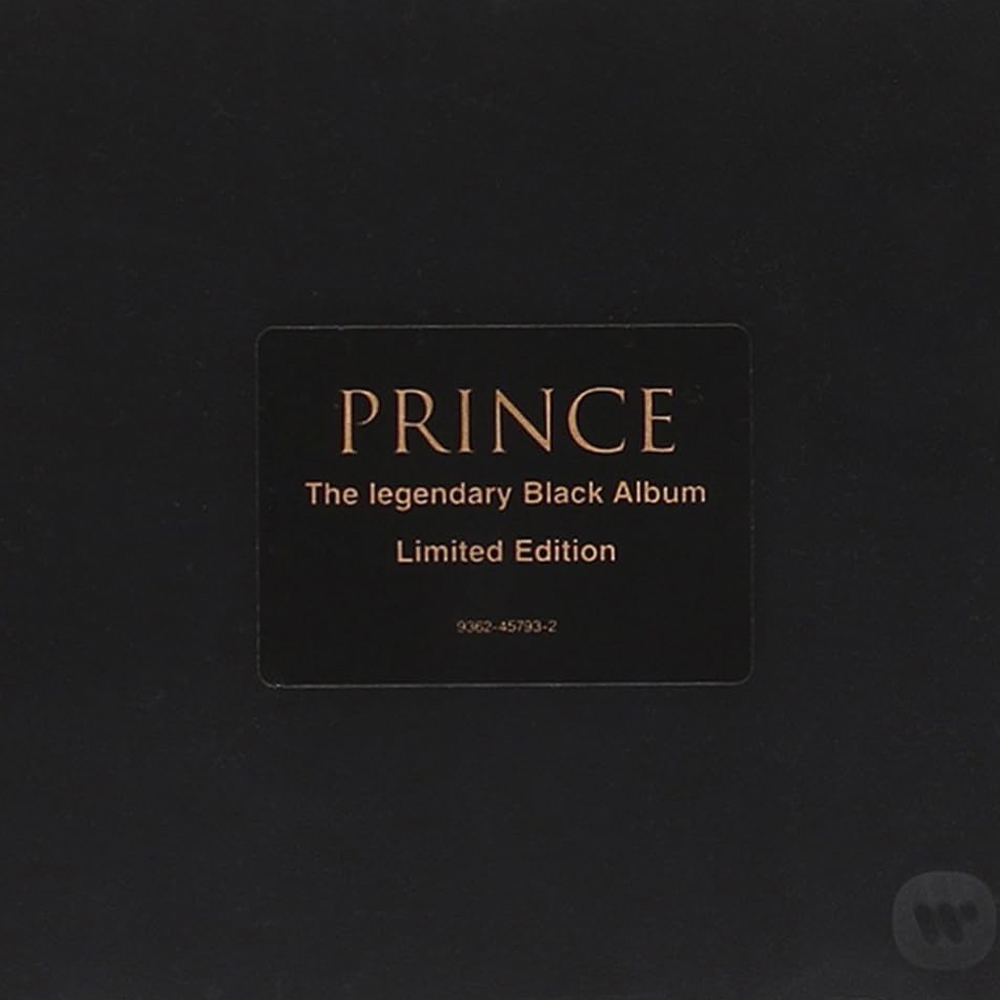
Prince always had a habit of making records faster than anyone could have imagined. Everyone could have easily seen him releasing at the same rate as any other pop star, but seeing the sheer size of his discography is enough to give people a small headache. But even for a mind that worked as fast as his did, he knew when a few albums were good to go and ones that were a cardinal sin against musical intuition.
Then again, it’s strange to put that kind of qualifier on The Black Album. This is far from Prince’s worst album and actually contains a lot of fantastic tunes, but the reason why it took so long to come out was because Prince was already kind of pissed off at it. At the 11th hour, Prince got the feeling that the album was extremely evil and recorded Lovesexy instead, which led to this album being bootlegged left and right until it was released as a way to get him out of his contract with Warner Bros.
So while the release of The Black Album ended with more of a clunk than anything else, the fact that it’s still among Prince’s finest moments is really a testament to his discography. Most artists of his calibre would have been releasing slop if they had to make the number of albums he did, but Prince was practically an alien if he could have made every one of his records be on some level of good even in the also-ran category.
Let It Be – The Beatles
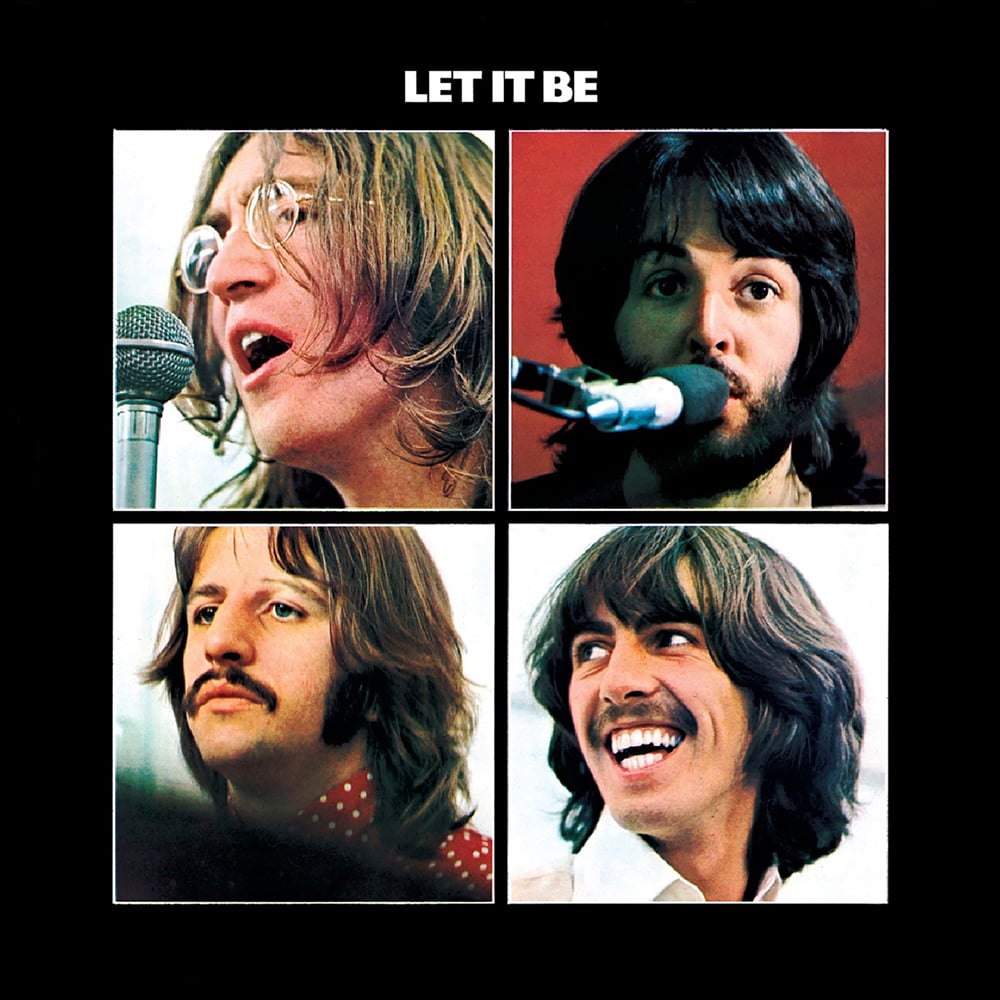
When sculpting the perfect career arc in pop music, The Beatles hit every single beat. From the gargantuan highs to the tense recording sessions towards the end, every single one of their records unintentionally wrote the book on how someone should approach being a rock and roll star half the time. And while that left behind 13 great albums, it’s not like the band were particularly proud of every single thing that they put out into the world.
Although an album like Yellow Submarine could have qualified for this list seeing how they wanted nothing to do with the movie of the same name, Let It Be has a much better case for being the album they didn’t want. For one thing, this isn’t the final album that they made, but even when they released the perfect farewell to their fans on Abbey Road, bringing the aborted Get Back sessions out of the vault and having them produced by Phil Spector made the whole album sound a lot different than anything in their discography.
While Paul McCartney took exception with the record to the point of releasing his own version of the album, it’s not like it takes away from the band’s legacy at all. They had made their final statement, and even if Let It Be harkened back the tense times, it only served to remind everyone that even at their proverbial worst, The Beatles were still a damn good rock and roll band underneath all those effects.
The Masterplan – Oasis
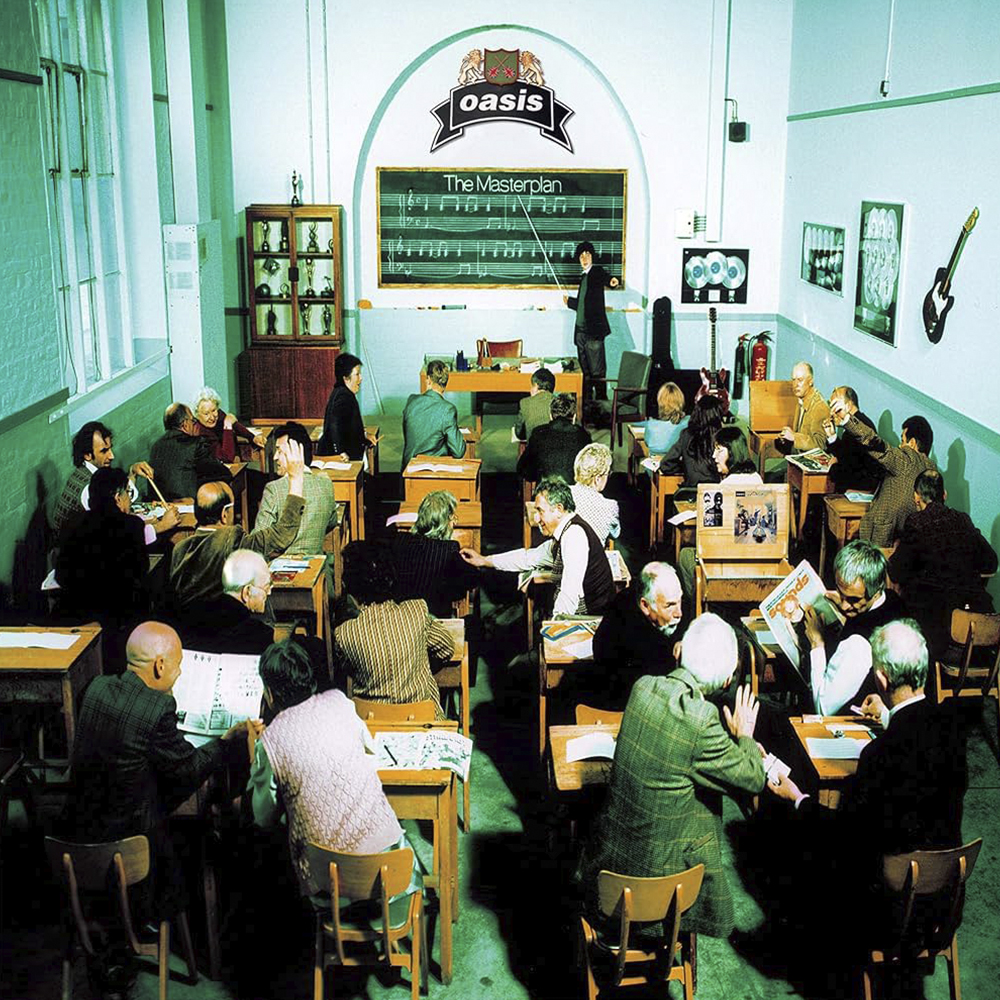
In a perfect world, Noel Gallagher could have been justified in splitting up Oasis after Be Here Now. He had the plan of making three records and then walking away from music altogether, but since their third outing wasn’t as rapturous as they thought it was going to be, chances are he started to second-guess what his group was all about. And while they slowly recovered from the touring life, The Masterplan turned into the non-album album that could stand next to any of their previous efforts.
While most people buying the singles were already familiar with a lot of the tunes that show up here, fans outside of the UK got a taste of the great material that the band were throwing away. Noel never wanted to sacrifice the quality of his tunes, and listening to tracks like ‘The Masterplan’, ‘Talk Tonight’, and ‘Going Nowhere’ is enough to make anyone wonder what the hell they were thinking trying not saving them for another album down the road.
Noel was always quick to say that The Masterplan should have replaced Be Here Now in his personal musical timeline, but that’s not exactly the answer, either. This was a much-needed comedown after the massive spectacle of Be Here Now, and while it’s a shame that tracks like ‘Round Are Way’ and ‘It’s Better People’ didn’t make the final cut, it’s nice to know that they came close to their mainline albums one last time before the decade ended.
Their Greatest Hits (1971-1975) – Eagles
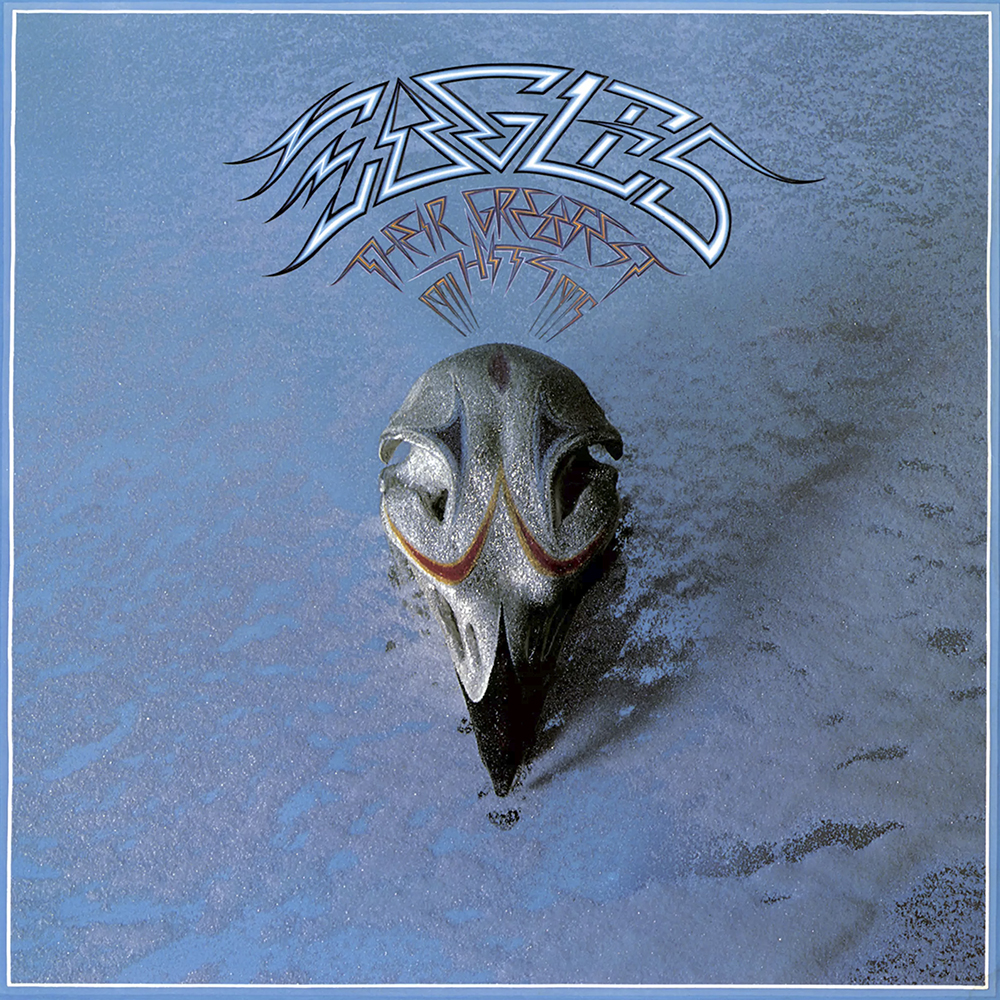
The music business has always had a problem putting the artist first. As much as people like the idea of making the music they want, there are always going to be suits complaining about how a song is either too different, too same-y sounding, or too plain weird for the masses to digest. While Eagles didn’t normally have that kind of problem, Don Henley did take issue with his record company jumping the gun a little too quickly when capitalising on Eagles’ success.
Yes, they did have enough material for a greatest-hits album, but that wasn’t what they were worried about. Henley was convinced that they had their magnum opus on their hands with Hotel California, but before they could rush out the next record and add even more entries into their best-of collection, people already had their hands on the best that they ever made all under one roof.
But it’s not like the band needed to worry about losing momentum, considering the album is still doing numbers and has become the highest-selling album of the 20th century. No one is beating them at that metric, but even if it took away from what they wanted to say on their albums, they couldn’t have asked for a better rollout when Hotel California dropped.
