


Cinema’s unlikeliest controversy magnets: 10 inoffensive movies banned for ridiculous reasons

Some movies have a much tougher time passing the censors than others, which is to be expected when the ones that struggle to gain approval from ratings boards and censors tend to be graphic, salacious, or controversial.
However, each country has its own set of rules and regulations for what can and can’t be screened to a national audience, which has led to some incredibly harmless films being bombed out of cinemas for reasons that hardly reflect the events onscreen.
When people think of banned movies, minds will understandably wander towards hardcore horror, titillating tales, and boundary-pushing exercises in unrestrained auteurism, which is regularly the case. Family films and animated favourites rarely enter the conversation, but they have on a surprisingly frequent basis.
The following ten titles contain classic comedies, childhood staples, feature-length cartoons, and blockbuster sequels, which millions of people have seen at least once without batting an eyelid. And yet, in some countries, they’ve never been seen at all.
10 inoffensive movies that were banned:
10. Dr Strangelove (Stanley Kubrick, 1964)
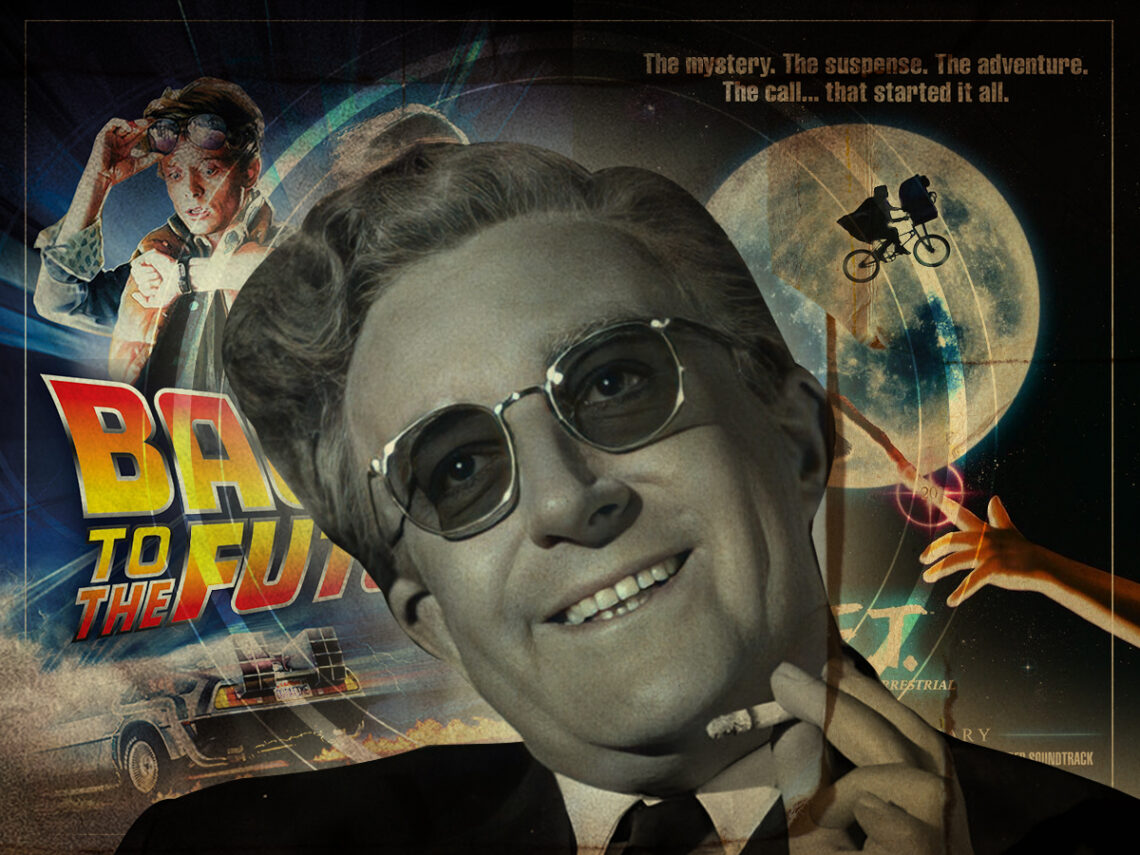
Stanley Kubrick’s timeless comedy Dr Strangelove might be a scathing social satire wrapped in a blackly comic escapade drenched in farce, but it was never viewed as being particularly offensive or even controversial.
However, the government of Finland had a different perspective, opting to play it safe and outlaw Peter Sellers’ majestic performance from being screened to audiences nationwide due to fears the content of Dr Strangelove could affect the country’s ties to the Soviet Union.
Kubrick’s film wasn’t necessarily offensive to the Finnish population specifically, but because it might have been construed as a slap in the face for the Soviets for an ally to openly embrace the satirical nature of the picture, it was decreed that Dr Strangelove wasn’t worth the potential risk.
9. Uncharted (Ruben Fleischer, 2022)
The video game adaptation has always been a genre Hollywood has struggled to master, with Ruben Fleischer placing Tom Holland at the forefront of yet another banal console-to-screen translation.
Uncharted isn’t offensive, nor is it exciting or even remotely entertaining. It wasn’t the middling plot, characters, or action sequences that got it banned, though, but mere seconds of footage containing the most contentious map in cinema history.
The animated flick Abominable and Greta Gerwig’s Barbie were denied a release for doing exactly the same thing, and Uncharted was yanked from Vietnam and the Philippines when it was discovered that the nine-dash line was part of the movie.
8. Shrek 2 (Andrew Adamson, Kelly Asbury, and Conrad Vernon, 2004)
Mike Myers‘ cantankerous ogre inadvertently inspired a generation of animated fare when it balanced old-fashioned storytelling with pop culture references, which went too far when the first sequel ended up banned in Israel.
Looking to local celebrities for inspiration, the Israeli dub of Shrek 2 saw the characters pass judgment on David Daor’s falsetto singing voice. In a scene that threatens castration on the unfortunate recipient, the fairy tale figures suggest that they should “do a David Daor on him.”
In response, former Eurovision Song Contest participant Dar filed a lawsuit against the film for the offence caused, with Shrek 2 briefly pulled from cinemas until the line in question was redubbed.
7. Back to the Future (Robert Zemeckis, 1985)
Robert Zemeckis and Bob Gale struck gold when they concocted the idea for Back to the Future, which remains one of the most endlessly rewatchable blockbusters ever made.
Not that Chinese audiences would have been privy to that information after the ruling regime declared that because the movie was predicated on the concept of time travel, such a “dangerous fictional element” wasn’t palatable to local filmgoers.
Why was one of the best time travel movies ever banned in China? Well, because it’s about time travel. In a way, that’s as good a reason as any, but viewers still missed out on a classic.
6. Monkey Business (Norman Z McLeod, 1931)
The Marx brothers were no strangers to having their filmography banned in various parts of the world, but the reasons tended to be more unsavoury, especially in Germany in the 1930s.
That said, Monkey Business was banned in Ireland for different reasons after it violated the 1923 Censorship Act, which determined which content across all forms of entertainment media was or wasn’t acceptable for local consumption.
All Groucho Marx had to do was suggest to his onscreen love interest that they flee into the hills together to get away from it all, and Monkey Business was banned after concerns were raised that it could encourage anarchy in the Irish populace.
5. 2012 (Roland Emmerich, 2009)
Roland Emmerich built his career on blowing shit up in the most destructive way possible, but North Korean crowds never got the opportunity to see John Cusack fleeing from CGI danger in 2012.
While the country is hardly a haven for Westernised entertainment, the reasons behind the disaster epic being hit with a ban are still unusual. The entirely fictional story revolves around an ancient prophecy being realised and laying waste to the world, but it was the timeline that ruffled feathers.
The 2009 film unfolded in 2012, which was the 100th anniversary of former North Korean leader Kim Il Sung’s birth. It was also the year his son, Kim Jong-il, claimed the nation would become a global superpower, and audiences watching the planet get obliterated didn’t fit that image, apparently.
4. Babe: Pig in the City (George Miller, 1998)
The creator of the Mad Max universe directing a heart-warming family film about talking farmyard animals wasn’t on anybody’s bingo card, but Babe was a rousing success nonetheless.
It earned over a quarter of a billion dollars at the box office and scooped seven Academy Award nominations, including ‘Best Picture’ and ‘Best Director’, winning one for its visual effects. The sequel was a drastic step down, but China never got the chance to find out.
Movies don’t come much more inoffensive than Babe: Pig in the City, but because it featured live-action animals being granted the ability to speak, it wasn’t even allowed to make it to the big screen after being banned.
3. ET the Extra-Terrestrial (Steven Spielberg, 1982)
ET the Extra-Terrestrial is one of cinema’s quintessential family films, and the type of movie that will endure for generations to come as parents show it to their children, who show it to their children, and on it goes in perpetuity.
It took a while for Scandinavian kids to get their first fix of the animatronic critter after it was decreed that because it could potentially turn younger audiences against their parents or families, ET was persona non grata.
Sweden was a notably staunch opponent of Spielberg’s box office-busting favourite, with age restrictions implemented to ensure that a tale of friendship between boy and alien didn’t corrupt impressionable young minds.
2. Christopher Robin (Marc Forster, 2018)
It may never have been confirmed why former James Bond director Marc Forster’s Christopher Robin was outlawed in China, but anyone familiar with how the internet works was free to draw their own conclusions.
Thanks to the power of the meme, Winnie the Pooh has become a symbol of political dissidence in the country, with long-serving president Xi Jinping regularly being compared to the notoriously trouserless bear in an unflattering manner.
The Chinese authorities denied the film a release without specifying why, which only served to increase speculation that the threat of being made fun of on the internet to an even greater extent compelled the leader of the nation to ban it outright.
1. The Simpsons Movie (David Silverman, 2007)
Springfield’s most famous residents are instantly recognisable thanks to their yellow complexion, which was 50% of the reason why The Simpsons Movie was banned in Burma.
The content of the long-awaited animated feature had nothing to do with its ban but rather the colour palette. In what was then known as Myanmar, a rebel group called the National League of Democracy featured red and yellow prominently on their flag.
In an effort to avoid showing bias or inciting violence by promoting films where the two colours feature prominently, the authorities declared that The Simpsons Movie wouldn’t be shown on local screens, thanks to the obvious prevalence of yellow Homer, Bart, Maggie, Lisa, and Marge carry with them at all times.
