


10 iconic movies scenes that were only added at the last minute

Luck, guesswork, and spontaneity are responsible for some of cinema‘s finest moments.
Although it’s often described as a joyous process by those in the business, making a movie can be a gruelling and challenging task. Even for films that are extensively planned out in order to account for any possible misstep, there’s always bound to be some form of off-screen conflict that threatens to derail the production entirely.
Regardless of how hostile filming a movie might be, there’s always a chance that the filmmakers will have to alter what they had originally had in mind. It’s often that the idea of reshoots are associated with disastrous films like Fantastic Four or Justice League, in which significant portions had to be changed due to the incompetence of the original cut. In reality, every film goes through a process of assessing the assembled footage and looking to make changes.
In some cases, what is altered after the initial cut of a film is completed, or what is changed at the last minute on set, ends up improving the final product. There’s no telling how a film might play to an audience until there is something to judge, and in many cases, smart changes need to be made in order to prevent studios from doubling down on their own mistakes.
10 iconic scenes added to films at the last minute:
Jason Miller’s appearance: ‘The Exorcist III’
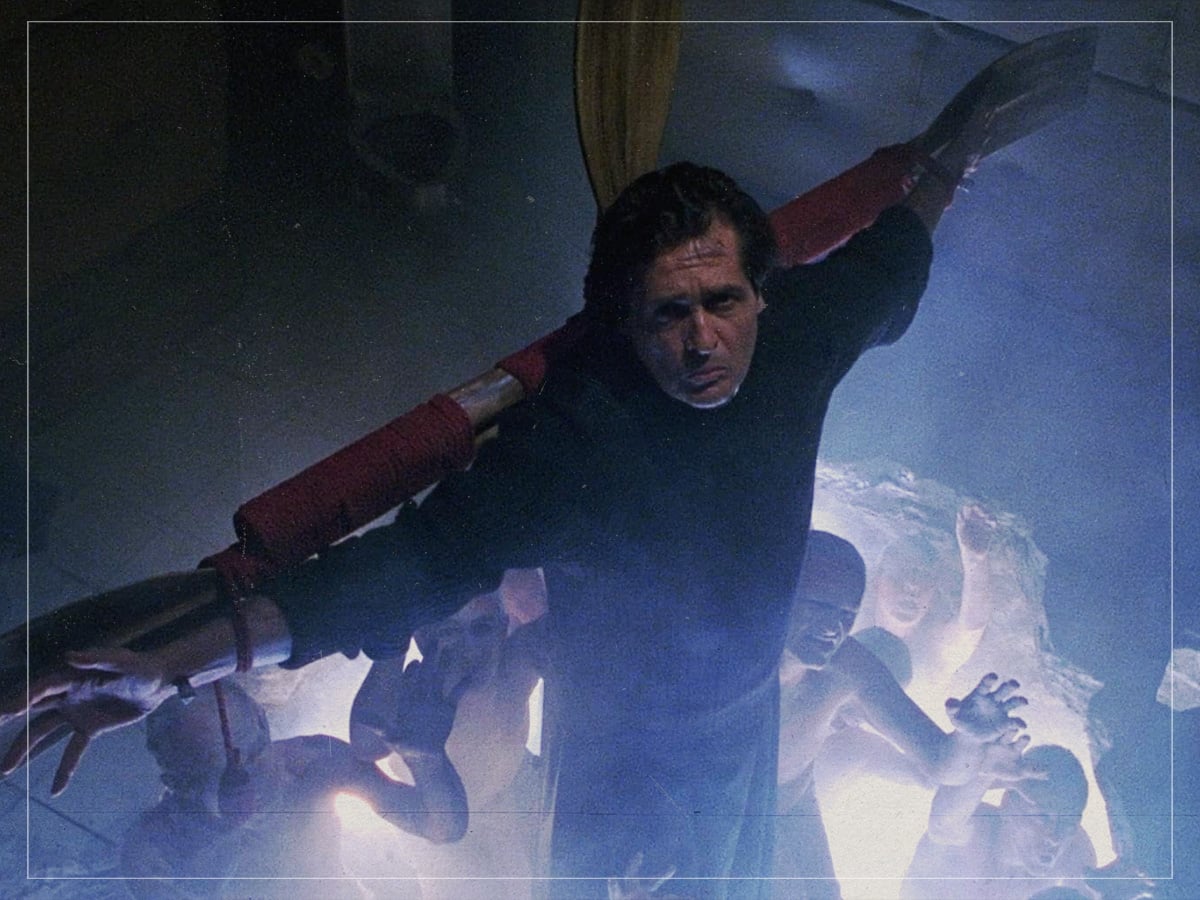
The Exorcist is still considered to be one of the greatest horror films ever made, but 1990’s The Exorcist III is one of the rare sequels that lived up to its potential. Unlike the disastrous The Exorcist II: Heretic, which tried to directly serve as a sequel following Regan, played by Linda Blair, the third film in the series introduced Brad Dourif as an enigmatic new killer known as the ‘Gemini’, who takes the form of a mental patient.
Although the film was directed by William Peter Blatty, the author of the original The Exorcist novel, 20th Century Fox got so concerned that the film would be too unusual for audiences to tolerate that it needed more connections to 1973’s The Exorcist for the sake of continuity. As a result, Jason Miller was included within the reshoots to reprise his role as Damien Karras, even if Blatty ended up doing the scenes again for his director’s cut with Dourif.
The ending: ‘I Am Legend’
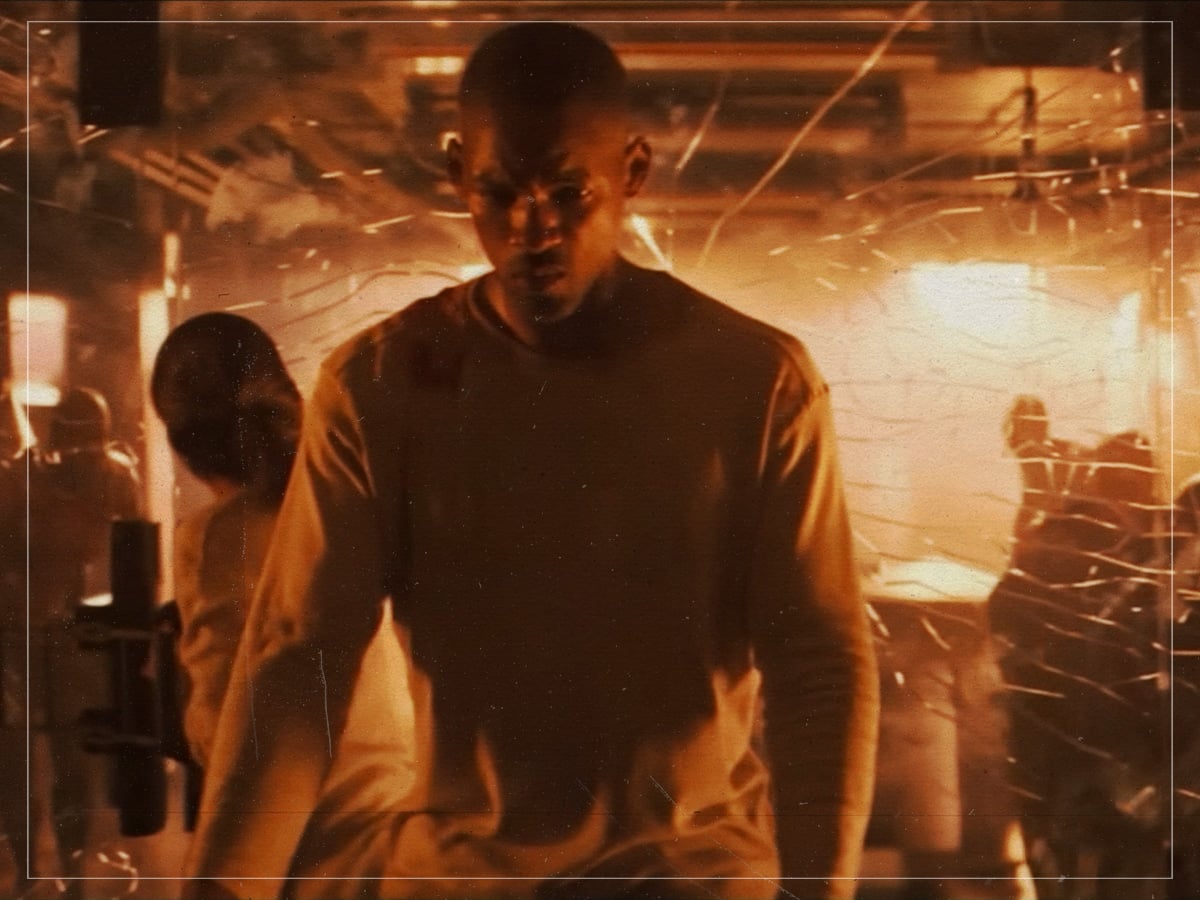
I Am Legend became a notorious case of reshooting based on the behaviour of Will Smith, an actor and producer who wielded significant power over the creative direction of the film. The original ending for the film revealed that Smith’s character, Dr Robert Neville, had become the monsters he had been chasing, and was forced to give up his pursuit of the family he was so focused on. This was authentic to the original novel, but the star got cold feet when test audiences reacted negatively, prompting a change.
The new ending that was included in the theatrical cut of the film features Neville sacrificing himself and dying a hero, but it was even more negatively received than the change was reversed for the theatrical cut. Although there have been reports about a sequel for years, the planned follow-up to I Am Legend would restore the original, faithful ending as the canonical one.
Riggan’s dash through Times Square: ‘Birdman’
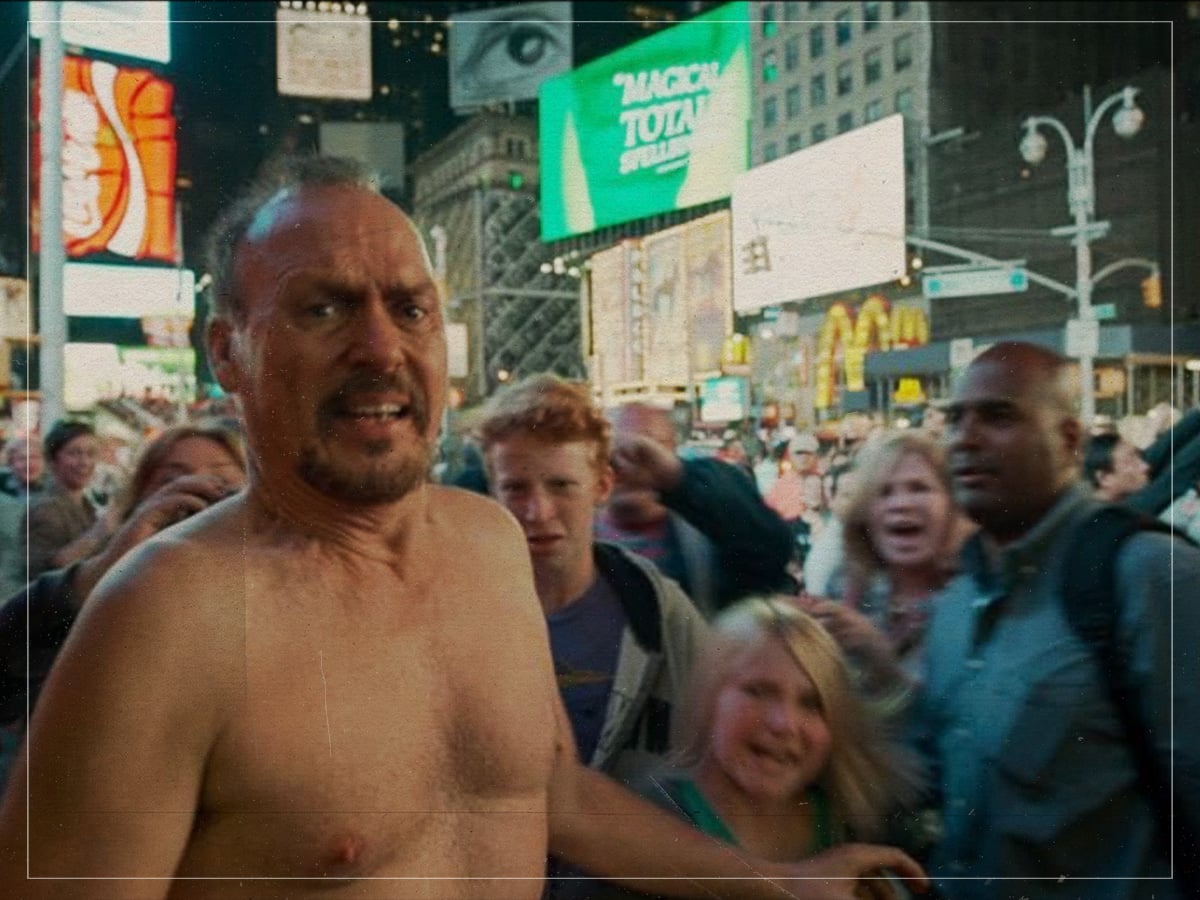
Birdman (or the Unexpected Virtue of Ignorance) is one of the more contentious films to ever win ‘Best Picture‘, as cinephiles are divided on whether its insights on Hollywood are brilliant or pretentious. One thing that isn’t up for debate is the amazing performance by Michael Keaton as Riggan Thompson, a character whose career parallels the actor who played him.
One of the most hilarious, unusual scenes in the film involves Riggan dashing through Times Square in his underwear in order to make it to the opening night of his play. The scene was shot in a haphazard way in order to incorporate the real reactions of passersby in New York, and while many of the actors in the scenes are extras, a majority of the crowd is made up of real pedestrians who happened to catch a glimpse of Keaton when they were filming late at night.
Plutarch’s letter: ‘The Hunger Games: Mockingjay – Part 2’
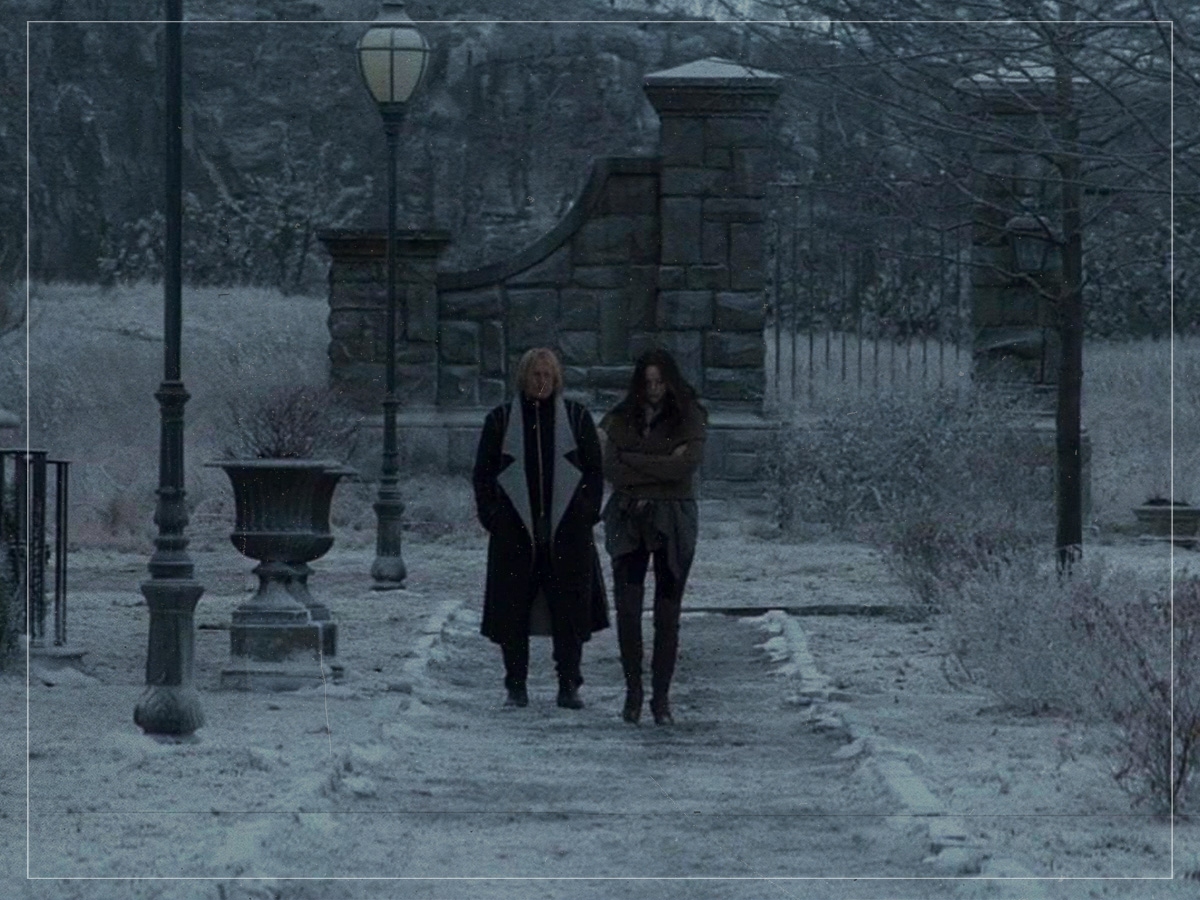
Philip Seymour Hoffman’s death took the world by surprise, considering that he had been filming new projects right until the end of his life. He had completed his role in the spy thriller A Most Wanted Man, but had been in the midst of shooting the two-part finale to The Hunger Games franchise, where the original script for Mockingjay – Part 2 called for his character Plutarch to have an emotional final scene with Jennifer Lawrence’s Katniss.
However, it had to be altered because Hoffman’s character didn’t die in the film, so it was instead written such that Plutarch wrote a letter that is read aloud by Haymitch, played by Woody Harrelson, in what felt like the cast’s tribute to Hoffman’s memory. Now, in the upcoming The Hunger Games prequel film, Jesse Plemons, who played Hoffman’s son in The Master, is set to play the younger version of Plutarch.
The end scene: ‘American History X’
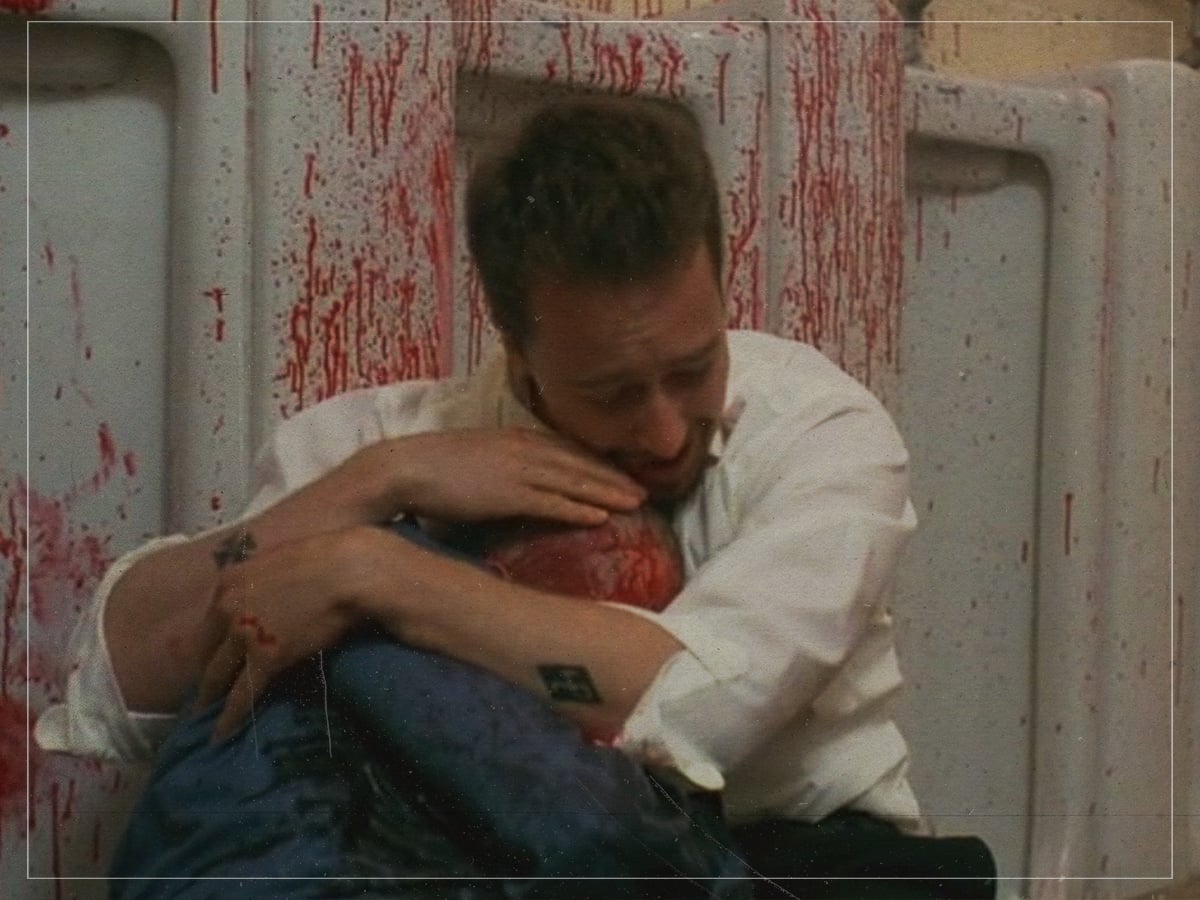
American History X is not only one of the bleakest films of the ‘90s, but one of the most contentious because of the tension between director Tony Kaye and Edward Norton, who came to the set with his own ideas and attempted to insert significant changes that altered the direction of the story. Both versions of the film ended with the character Danny, played by Edward Furlong, being killed to the heartbreak of his older brother Derek, played by Norton, who had just been released from prison.
While Kaye’s version featured Derek returning to his violent ways of being a neo-Nazi, Norton insisted upon a more hopeful conclusion where he appears to be a reformed man, and the star proved victorious in every sense; his ending was approved, and he earned an Oscar nomination, whereas it took Kaye another decade to get his next film off the ground.
John Rambo being imprisoned: ‘First Blood’
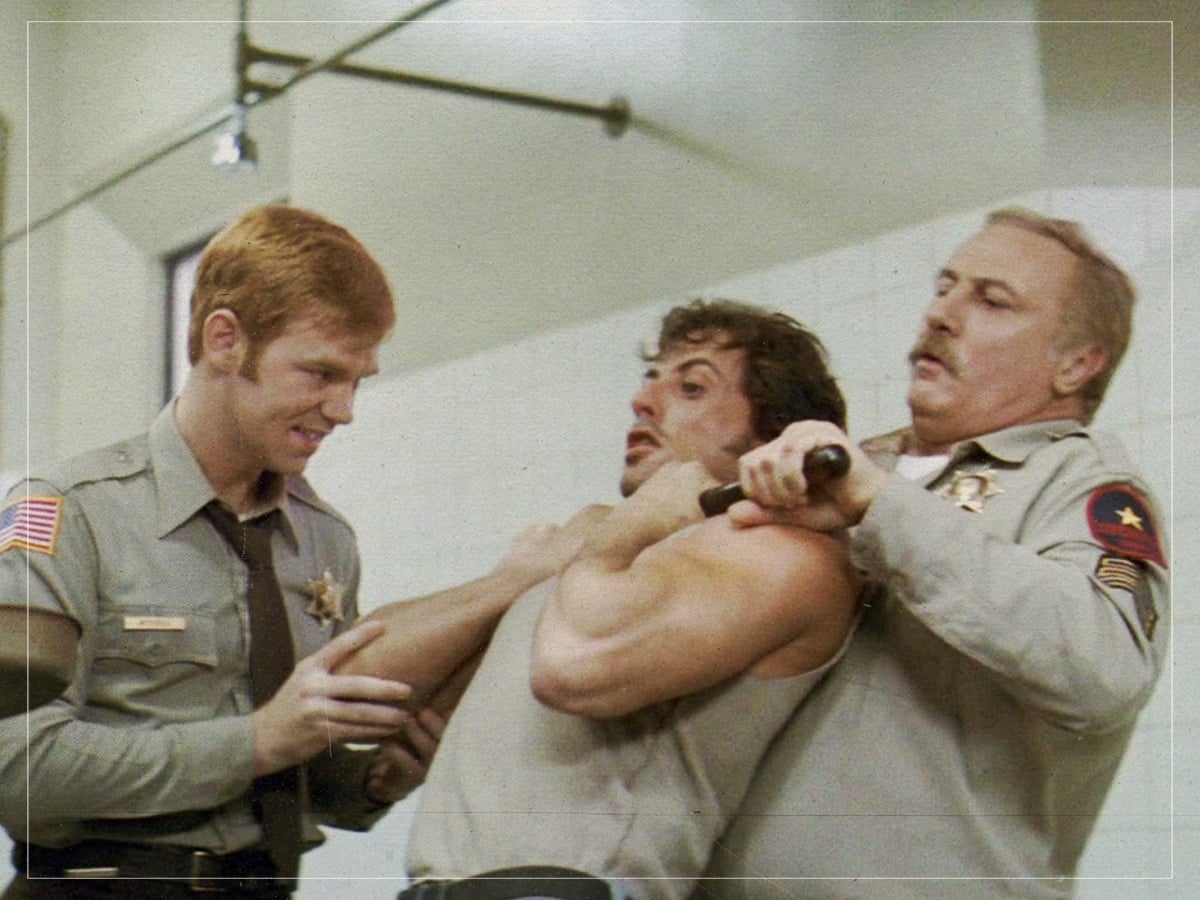
Sylvester Stallone is by no means a great actor, but he did have luck in creating two of the most successful franchises of the ‘80s with Rocky and Rambo. The original First Blood was a surprisingly dark film about a Vietnam War veteran who returned to a country that no longer treated him with any respect, which forced him to go on the run.
The film’s original cut involved John Rambo dying in a dramatic conclusion that showed the extent to which America had demonised its veterans, but Stallone felt strongly that the film should have a more hopeful conclusion and insisted upon the use of an alternate ending in which the character survived. Although he had originally meant for this to be respectful to any of the real veterans who may have been in the audience, it was done to keep the character alive so that he could appear in sequels.
The knights being arrested: ‘Monty Python and the Holy Grail’
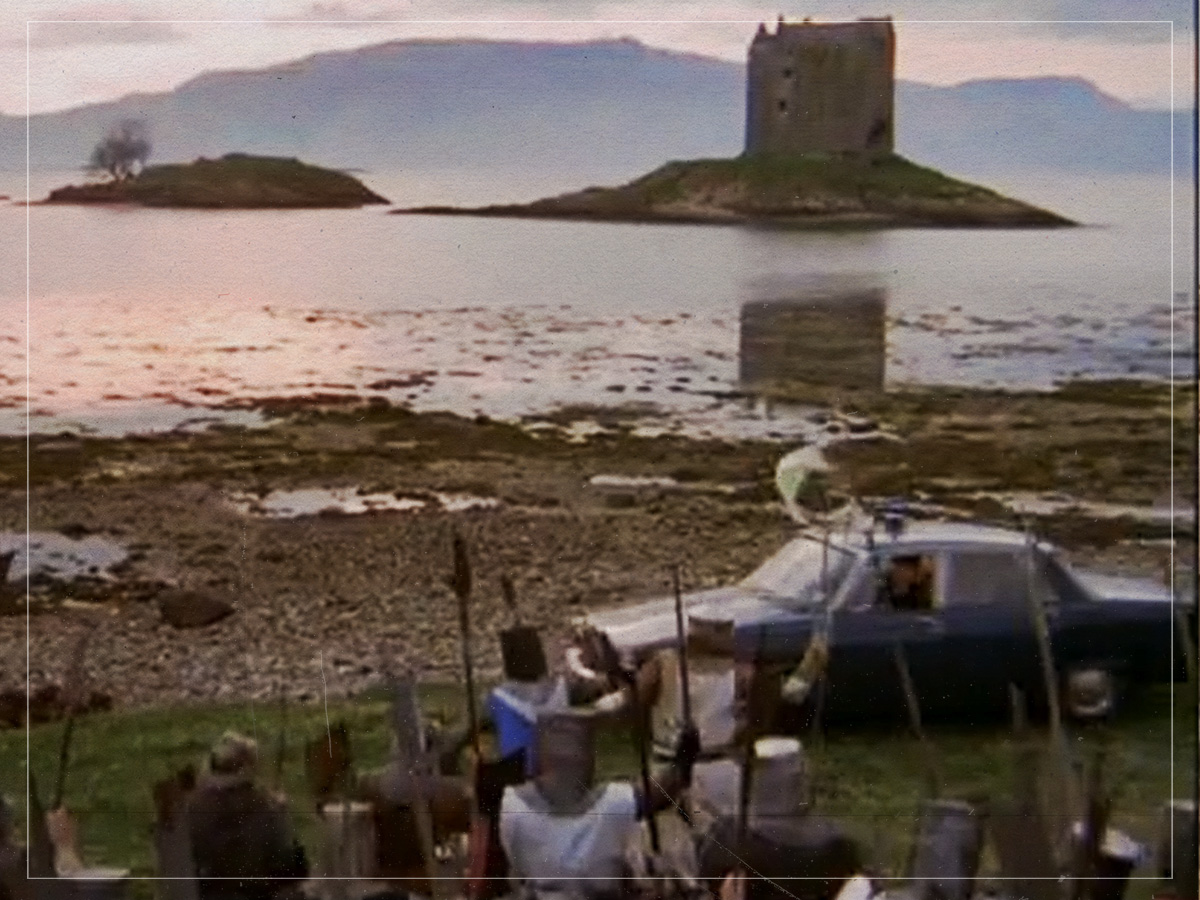
Of all the films made by the legendary comedy troupe, Monty Python and the Holy Grail is both the funniest and most absurd, and given the lack of experience that Graham Chapman, Terry Jones, Terry Gilliam, and Eric Idle had at the time, the production was absolutely chaotic and led to many on-set accidents.
The original concept was for the film to conclude with an action-packed climax in which King Arthur and his Knights would battle with the various enemies that they had encountered over the course of the film, but however, budgetary constraints got in the way, leading to one of the most noxious endings in film history, where the fourth wall is completely shattered when the characters are all arrested for their role in killing a documentarian who had been filming them at a prior point.
John McClane meeting Hans Gruber: ‘Die Hard’
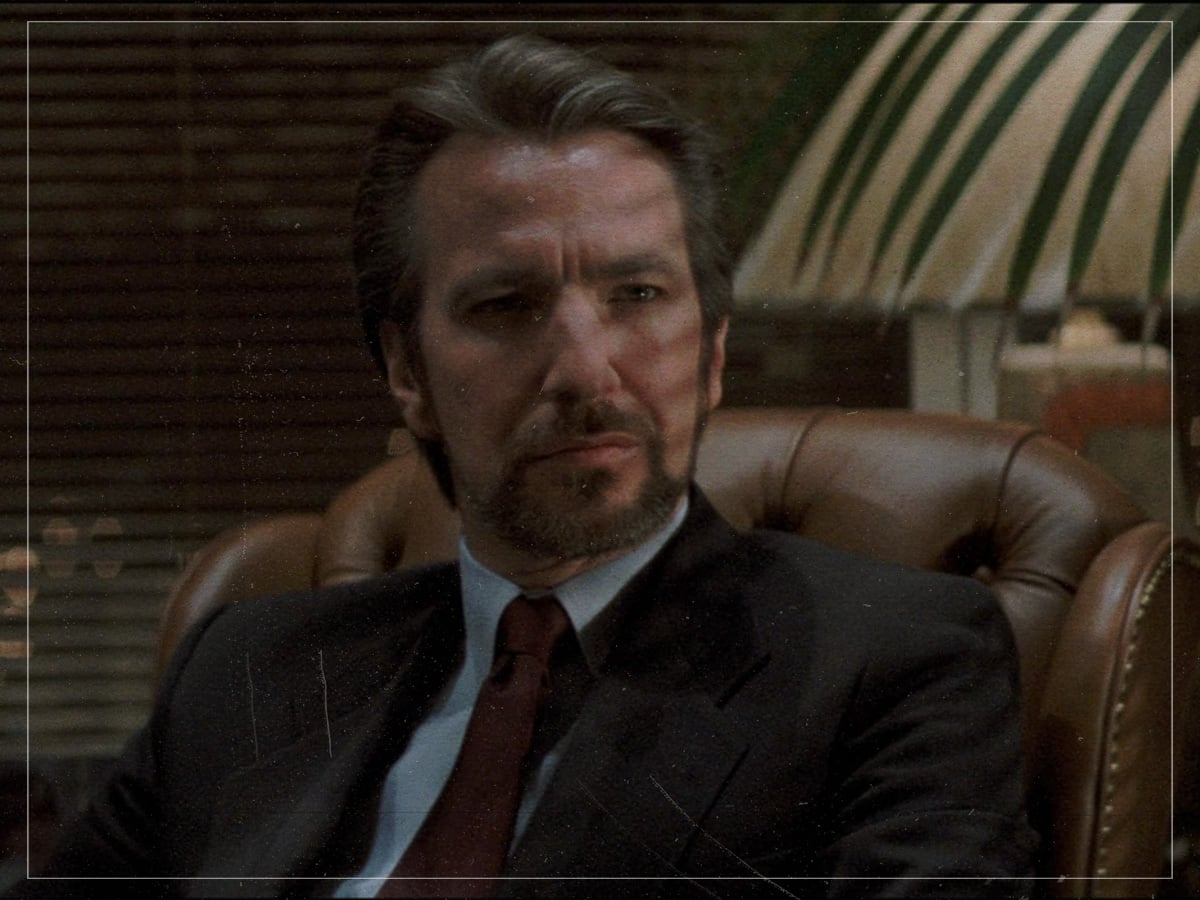
Although Die Hard is famous for launching Bruce Willis as a generational action star, it might even be more impressive that it was Alan Rickman’s first film ever. He was a stage actor who had almost turned down the role, but once accepted, he gave a debut performance for the ages, instantly becoming one of the best film villains ever.
One of the many skills that Rickman had was mimicking accents, which only became apparent to director John McTiernan once filming had begun, and it was thus decided to include a new scene in which Hans Gruber pretends to be a victim in order to deceive John McClane, making for an interesting standoff before their final battle. The personality that Rickman brought to the role was part of what made Gruber such an interesting villain, for he wasn’t a politically ambitious terrorist, but just a petty bank robber masquerading as something more.
The sheriff cancelling Christmas: ‘Robin Hood: Prince of Thieves’
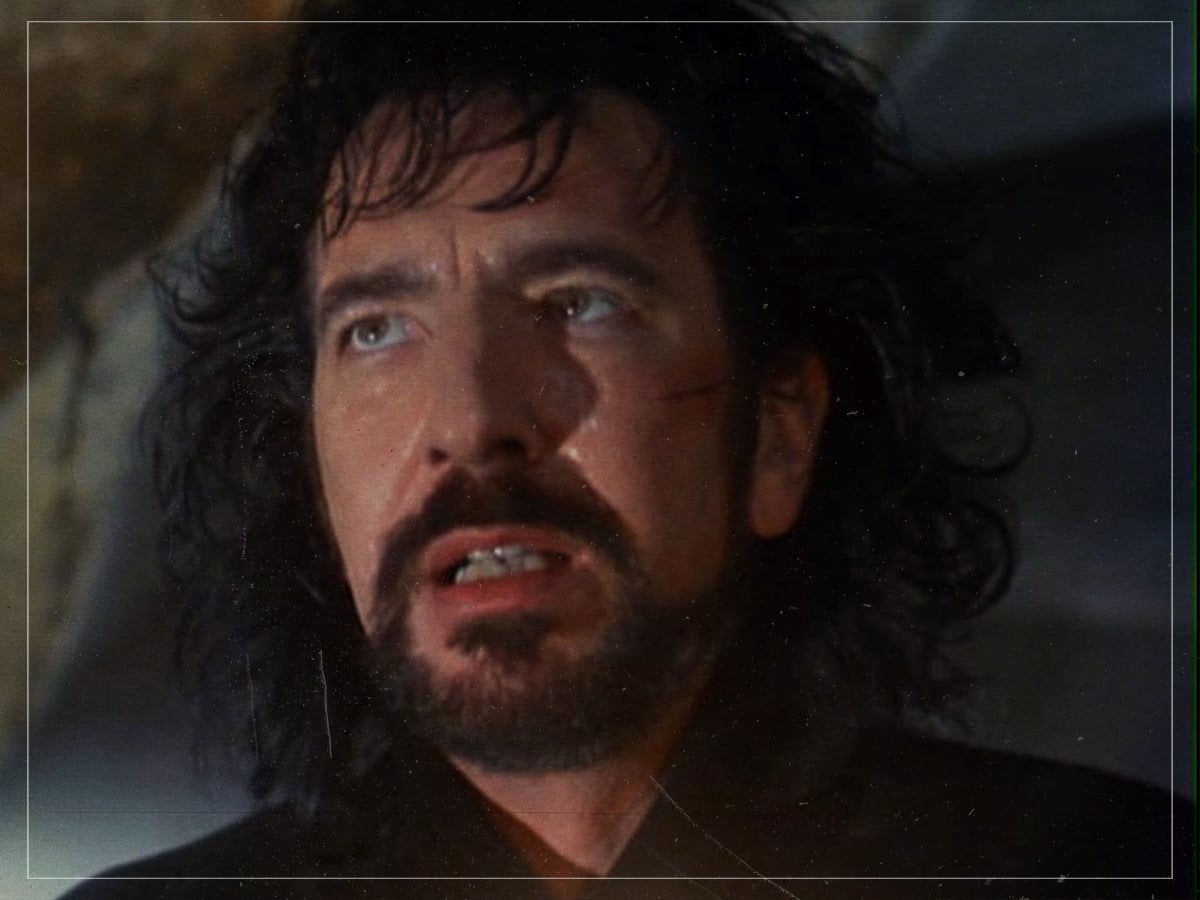
Die Hard wasn’t the only film that Alan Rickman changed for the better, as he was also responsible for helping to save Robin Hood: Prince of Thieves, the retelling of the Robin Hood myth, which cast Kevin Costner as the beloved folk hero, even though his English accent was not convincing in the least.
Rickman had been sceptical about his role as the villainous Sheriff of Nottingham from the beginning, so he began adding new lines for the character in order to make the part more interesting, and the most famous was the one in which he remarks that he will “cancel Christmas”. It was not only an over-the-top instance that showed how evil the character was, but a great moment in which Rickman leaned into the eccentricity and signified that he was aware of how silly the film had gotten, later winning a Bafta for his performance.
The swordsman standoff: ‘Raiders of the Lost Ark’
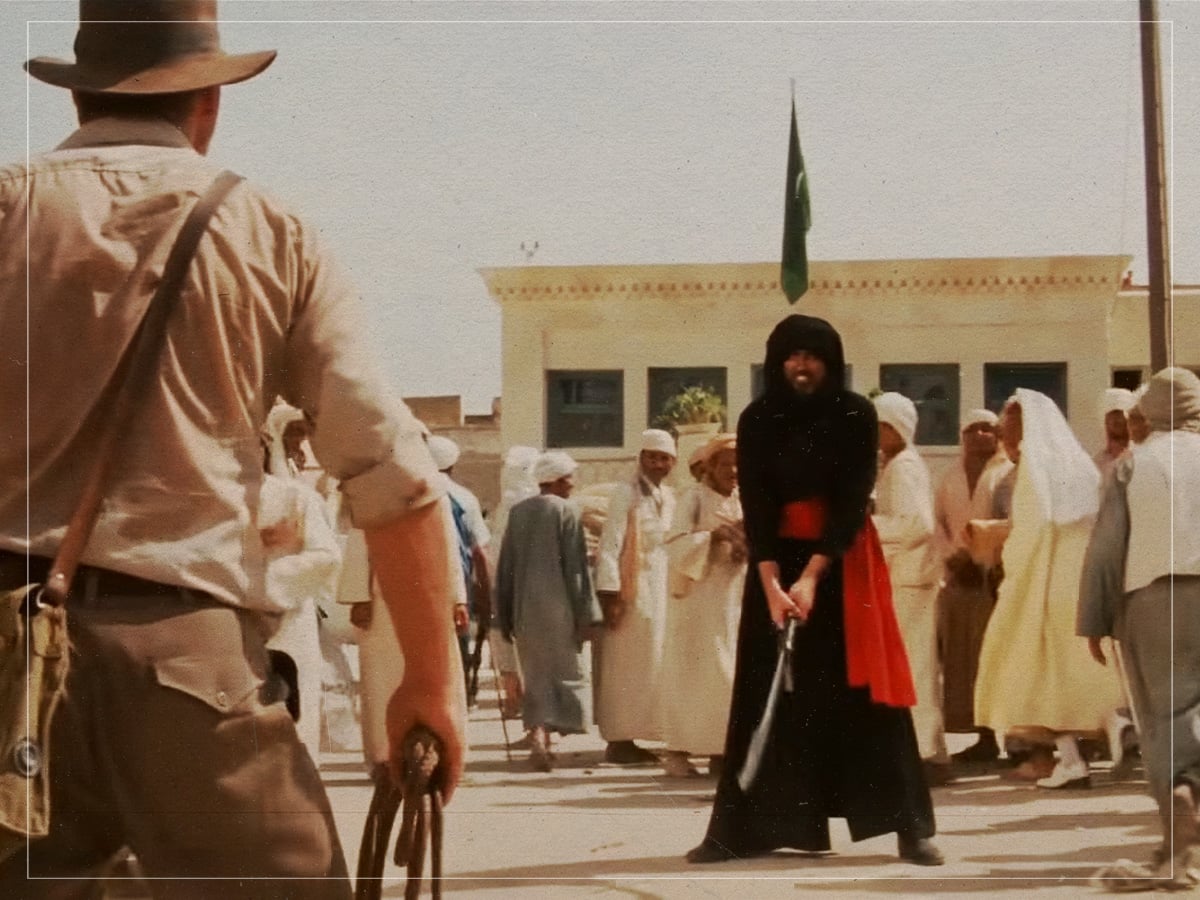
The funniest, coolest, and most surprising moment in the history of the Indiana Jones franchise only happened due to a miserable filming experience in which nearly the entire cast and crew had come down with amoebic dysentery while shooting in Cairo. During the hectic chase scene in which Marion, portrayed by Karen Allen, is kidnapped, Harrison Ford’s Indy was planning to have an epic showdown with a swordsman in the middle of the street, and while he had been training for months to use a bullwhip, everyone was too exhausted to film another fight, after filming had already been delayed.
As a result, the scene was cut short by a gag in which Indy simply shoots the presumptuous swordsman in the chest, making for a moment of snarkiness that defined what made Indy such a great character, but the exhaustion and annoyance that Ford conveyed in his performance were real.
