


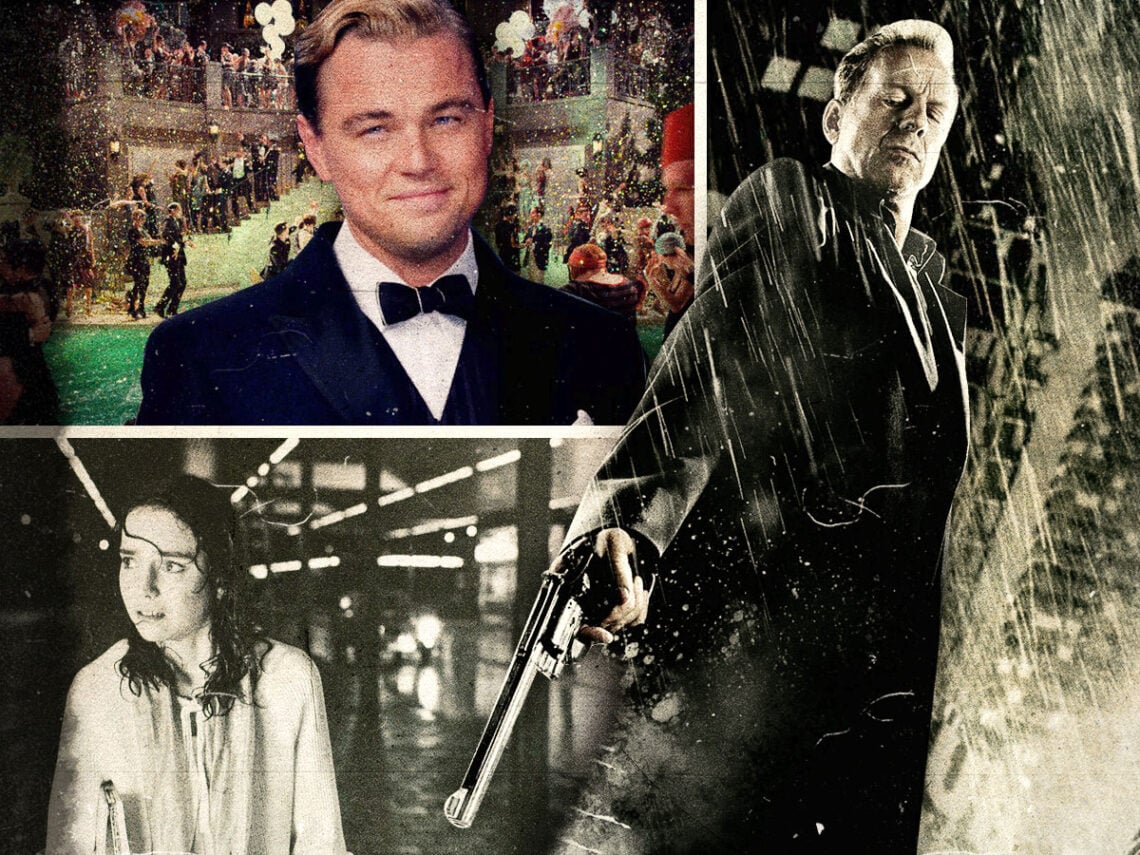
10 movies that prefer style over substance

Cinema encompasses a diverse range of storytelling approaches, offering filmmakers the freedom to experiment with various techniques to bring their unique visions to the big screen. One particular approach involves prioritising the visuals, as some filmmakers would rather showcase their prowess behind the camera, but this sometimes can come at the expense of the script.
This artistic choice can yield both triumphant and disappointing results. Legendary directors like Stanley Kubrick are known for their ability to meticulously build atmospheric tension throughout their films, using meticulous attention to detail to retell his vision. On the other hand, filmmakers like Richard Linklater often rely on improvisational dialogue from their actors, capturing raw and spontaneous moments to bring their distinct visions to life.
In this piece, we will delve into ten films that deliberately emphasise style over substance, directing their efforts towards creating mesmerising visual experiences rather than placing heavy emphasis on character development and storytelling. These films aim to transport audiences into visually captivating realms and, in that way, force their audiences into strong emotional responses. However, this artistic choice can be a double-edged sword, as it may sometimes overshadow narrative depth and character arcs, leaving viewers with forgettable experiences.
By analysing these ten films, we can observe how style manifests itself in different ways. Some films, though, can masterfully strike a balance between style and substance, captivating audiences with their visually stunning aesthetics as well as also delivering compelling narratives and well-rounded characters. These instances exemplify the power of cinema to create worlds that resonate on many levels. In some films, you can feel like the story is completely drowned out by the style and production.
10 films that prefer style over substance:
Batman v Superman: Dawn of Justice (Zack Snyder, 2016)
Despite it being a visual spectacle packed with gorgeous fight scenes between two of the most iconic comic book characters of all time, Batman v Superman: Dawn of Justice relies too heavily on style, sacrificing depth and believable storytelling. These glorious fight scenes and dark aesthetics, something Zack Snyder is known for, try to make up for the weak character development and silly plot.
Whilst it was big news for these two iconic superheroes to be finally meeting, you are left disappointed with what Snyder brought to the screen. However, the score and visuals are excellent here, and it is exactly what the director does best.
Blade Runner (Ridley Scott, 1982)
This masterpiece of a science fiction film brings stunning visuals and a futuristic noir setting to the big screen. Although, at times, it does delve into philosophical ideologies, the narrative, admittedly, does take a backseat to the style, the production design, and the moody soundtrack. Its style does elevate the film, which makes up for the lack the depth in its underlying story.
Blade Runner, a now iconic sci-fi genre staple, has left an indelible impact on the genre and popular culture. Since its release in 1982, its dystopian vision of a future where androids called replicants challenge the boundaries of humanity sparked philosophical debates and influenced countless films, books, and art. With its unique style, Blade Runner continues to shape our perception of the future and the ethics of artificial intelligence, which are now more important today than ever before.
Drive (Nicolas Winding Refn, 2011)
With its sleek cinematography, heavily praised synth-wave soundtrack and unique violence, Drive is a prime example of style over substance working. The slow pacing and minimalist storytelling boost the film’s aesthetic. Drive’s long-lasting impact lies in its tone and the stylish portrayal of its enigmatic protagonist.
Drive has undoubtedly influenced a whole wave of neo-noir films like Baby Driver and Good Time. The film’s blend of action, suspense, and introspection has captivated audiences, while its minimalist storytelling and atmospheric tone have become hallmarks of contemporary filmmaking. It is a truly unforgettable cinematic experience.
Enter the Void (Gaspar Noé, 2009)
This psychedelic journey through neon-lit Tokyo immerses viewers from the get-go. The film’s style mesmerises audiences. However, to make up for the effort put into the visuals to make Tokyo otherworldly, the narrative has to remain secondary, and the film relies on its look and experimental filmmaking than a true storyline.
Enter the Void arguably leaves an impression on the viewer with its daring exploration of life, death, and human consciousness, pushing the boundaries of visual storytelling and provoking philosophical thought.
The Great Gatsby (Baz Luhrmann, 2013)
Baz Luhrmann’s adaptation of F. Scott Fitzgerald’s classic novel embraces a lavish style but received mixed reviews upon its release. The film excels with its extravagant costumes, top-tier production design, and fantastic parties – making you wish you were right amongst the roaring ’20s with the cast.
The Great Gatsby disappointed some viewers with its excessive style over substance approach, overshadowing the depth of F. Scott Fitzgerald’s book. The jaw-dropping visuals and use of modern music were divisive, but the film struggled to capture the emotional complexity and societal critique that made the book so well-loved and timeless today.
The Lone Ranger (Gore Verbinski, 2013)
Based on the beloved television series, this franchise-wannabe adventure film pushes visual spectacle through its epic set pieces. Despite this, the film’s reliance on extravagant action sequences and CGI often overshadows a cohesive narrative and character development, which were the main reasons people fell in love with the Lone Ranger and Tonto all those years ago. It’s safe to say a sequel will never be made.
The Lone Ranger let audiences down with its bloated runtime and mixed stylised tone and was a misguided attempt to revive the classic character. It was a critical and commercial failure.
Lost in Translation (Sofia Coppola, 2003)
Again to go back to another film set in Tokyo, Sofia Coppola’s film focuses entirely on the mood set by Johansson. It makes the audience sit and watch the contemplative moments of two lost souls in Tokyo. While the film excels in capturing a sense of alienation, its plot remains minimal, but the strong leading performances of Bill Murray and Scarlet Johansson make this a must-watch and a staple of 2000s cinema.
Lost in Translation achieved critical acclaim and resonated with audiences through its intimate storytelling, nuanced performances by Murray and Johansson, and its exploration of universal themes like human connection and loneliness.
Only God Forgives (Nicolas Winding Refn, 2013)
Another film helmed by Nicolas Winding Refn, of Drive fame, this crime thriller exhibits stunning cinematography, vibrant lighting, and a pulsating score. However, unlike his previous movie, which managed to balance the style over substance far better, it was weakly received by audiences and critics as the plot left much to be desired. Without any true character development or engaging plot, you still feel like you want more.
Only God Forgives left viewers disappointed with its overuse of violence, confusing story, and lack of depth, failing to live up to the high expectations set by director Nicolas Winding Refn’s previous works.
Sin City (Frank Miller and Robert Rodriguez, 2005)
Frank Miller’s much-loved graphic novel truly comes to life with a distinct visual style in this neo-noir film. Sin City immerses viewers in a black-and-white world filled with stylish violence and striking scenes. While the film is hailed for capturing and adapting the source material excellently, the storylines and character arcs are not too prominent.
Sin City revolutionised, and gave credence to, the comic book film genre with its groundbreaking style – where Miller and Rodriguez blend black and white imagery with splashes of colour. Its hyper-violent, morally ambiguous tales created a dark and immersive world, helping pave the way for future graphic novel and comic book adaptations today.
Suspiria (Dario Argento, 1977)
Dario Argento’s Italian horror masterpiece dazzles with its vibrant colour palette, haunting score, and atmospheric cinematography. The film’s stylised visuals, filled with vivid reds and elaborate set designs, create an immersive experience. However, the narrative can feel secondary to the artistic flair, as the film relies heavily on its stylistic choices to move audiences.
Suspiria made a lasting impact on horror cinema with its surreal visuals, haunting atmosphere and iconic score. Argento’s artistry and unconventional filmmaking helped solidify its status as a cult classic, thus inspiring a new wave of atmospheric and visually striking horror films.
