


10 directors who coasted through their entire career on one good movie

Hollywood works in strange ways. Certain filmmakers get endless opportunities to make movies, even if their previous efforts have crashed and burned. Then there’s the filmmakers who struggle to get adequate funding despite their talents, disappearing into the ether due to the fact that cinema isn’t an easy industry to stay afloat in.
In some cases, there are filmmakers who seem to have coasted through their careers making movies, directing television episodes, writing films, penning books, or even appearing on podcasts or at fan conventions – despite the fact that they only really have one good credit to their name. It might sound harsh, but there are many filmmakers out there who have received far more praise than they deserve, heralded as great directors in spite of the fact they’ve only really made one good piece of work.
There are some films that just emerge at the perfect time, connecting with viewers and tapping into a current trend or zeitgeist. They might hold up as classics, sure, but behind many great films is a director who has never been able to make anything as good since, instead weaponizing their success to carry them through their careers.
From Kevin Costner to M Night Shyamalan, here are ten directors who have managed to coast through their careers despite having just one good movie.
10 directors who only made one good movie:
The Sixth Sense (M Night Shyamalan, 1999)
People loved The Sixth Sense when it came out in 1999, with the movie earning several Oscar nominations. The film introduced M Night Shyamalan to the mainstream, but since then, most of his output has been pretty terrible. His 1999 movie might have been the second-highest grossing movie of the year, and his 2002 effort Signs was also a massive financial success, but nothing he has done in the years since has come close to the genius of The Sixth Sense and its shocking twist. The thing is, Shyamalan has routinely used plot twists to the point that they’ve become his gimmick, sucking the excitement out of many of his movies.
Additionally, his subsequent movies have failed to feel timeless, included bad performances (we’re looking at You After Earth) or been a little questionable (like villainizing dissociative identity disorder in Split). Old was an eye-roll worthy movie, The Last Airbender was widely derided, and his most recent movie, Trap, divided critics. Shyamalan is truly a prime example of a director who has coasted through his career off the back of one good movie.
American Psycho (Mary Harron, 2000)
Everyone knows American Psycho, a modern classic buoyed by terrific, darkly humorous dialogue and Christian Bale’s genius performance as Patrick Bateman, one of cinema’s most recognisable killers. A yuppie with a very specific attitude towards success, money, and women, the narcissistic main character gets his thrills from cold-blooded kills (and Huey Lewis & The News). However, some viewers believe it was all just a figment of his imagination. People still talk about the movie, herald its depiction of masculinity and capitalism, and even use it in memes, but most people couldn’t tell you anything else director Mary Harron has made.
Harron has created various other movies since, including The Notorious Bettie Page, Charlie Says and Dalíland, as well as directing episodes of acclaimed shows like The L Word and Six Feet Under. Yet, all she is really remembered for is American Psycho, an adaptation of Bret Easton Ellis’ novel of the same name, which remains her only true masterwork.
The Deer Hunter (Michael Cimino, 1978)
When The Deer Hunter was released in 1978, critics praised the movie, which soon went on to win five Oscars, including ‘Best Picture’ and ‘Best Director’ for Michael Cimino. The film remains a ‘70s classic of the New Hollywood era, with Robert De Niro leading the movie. However, despite the success of The Deer Hunter, Cimino only directed five more features following its release, with most receiving rather negative reviews, including The Sicilian, Desperate Hours, and Heaven’s Gate, which caused significant controversy.
While people now hold Heaven’s Gate in high regard, at the time of its release, Cimino’s movie was absolutely torn apart. Some people even dubbed it one of the worst movies ever made, but after that, he was still able to make more movies—all thanks to the award-winning success of The Deer Hunter. Whether Cimino was a one-hit-wonder filmmaker is up for debate, but all we can say is that nothing he did came close to his 1978 masterpiece.
Friday the 13th (Sean S. Cunningham, 1980)
The horror genre transformed with the influx of slasher movies that emerged in the late 1970s and 1980s. Sean S Cunningham’s sixth film, Friday the 13th, was a major success, becoming one of the definitive entries to the slasher canon. Introducing us to Pamela and Jason Vorhees, the movie went on to spawn many sequels and spin-offs. Since then, Cunningham has directed movies like the sex comedy Spring Break, a very 2000s thriller, XCU: Extreme Close Up, and the direct to television movie Terminal Invasion.
It’s safe to say that despite the opportunities Cunningham has had to direct more great movies since, he has failed at every hurdle, riding off all his Friday the 13th success instead. The director got lucky with his iconic horror movie, but it seems like he just doesn’t have what it takes to continue making movies of the same quality.
Dances With Wolves (Kevin Costner, 1990)
Kevin Costner might be a Hollywood actor, but he is also an Oscar-winning director. His 1990 directorial debut, Dances With Wolves, won seven Academy Awards, including ‘Best Director’, highlighting Costner as a very promising new figure in the world of filmmaking. While his third film, Open Range, was fairly well-received, the other movies he’s made have not fared so well. The Postman was panned, and his most recent project, an overly ambitious multiple-part series, Horizon: An American Saga, has divided opinion.
The poor performance of Chapter 1 led to New Line dropping Chapter 2 from its release schedule, leaving the fate of Costner’s very expensive and epic series up in the air. It feels like a massive vanity project that suggests that Costner isn’t as good a director as he likes to think. He might have won various accolades for Dances With Wolves, but everything he’s done since has been much less impressive.
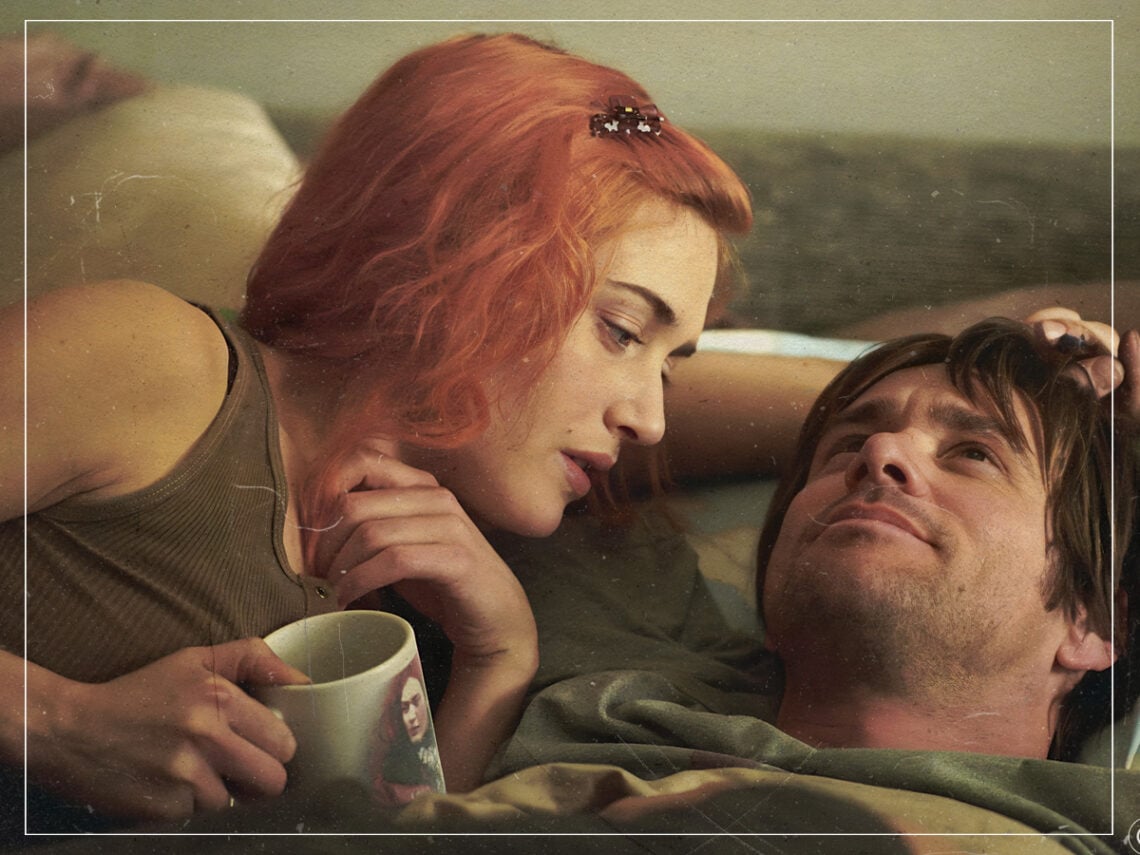
Eternal Sunshine of the Spotless Mind (Michel Gondry, 2004)
Eternal Sunshine of the Spotless Mind is one of those films that is hard to pin down; is it a comedy? Science fiction? A romance or tear-jerker? Somehow, it is all of the above, which is why it has remained one of the most devastating portraits of modern love, with Jim Carrey trekking through the highs and lows of his own memories as he reckons with the joy he is choosing to forget and the pain he struggles to live with.
But while the lovelorn and heartbroken regularly return to the film when in need of reassurance and delusional hope, there are no other films in Michel Gondry’s filmography that we can turn to, with the director being most well-known for his earlier work and not making anything that has lived up to the magic of Eternal Sunshine of the Spotless Mind. However, the singular achievement of having helmed this melancholic and bittersweet classic is enough for him to continue working, regardless of how they compare to this one masterpiece.
The Exorcist (William Friedkin, 1973)
The behind the scenes from the production of The Exorcist are nearly as famous as the film itself, with William Friedkin creating a terrifying legacy and reputation after stories of Ellen Burstyn being forced into doing dangerous stunts, the director slapping a priest across the face to ‘get him in the mood’ for a scene and screaming at the cast and crew.
While some people would argue that geniuses are allowed to act this way in order to achieve their vision, I would argue differently, especially given the fact that The Exorcist is the only truly great film that the director has done. Friedkin gained a reputation from this project that allowed him to saunter through Hollywood for the rest of his career without ever doing anything else to maintain such a colossal ego. It feels as though The Exorcist was enough for Friedkin to mentally retire and feel as though he had done his bit without ever doing anything that lived up to the innovation of his titular film.
Drive (Nicolas Winding Refn, 2011)
Drive is a truly one-of-a-kind masterpiece, following a Hollywood stunt driver who finds himself working as a getaway driver of a dangerous criminal, becoming swept up in a job that goes wrong and threatens the life of the woman he loves. However, despite the violent-sounding core of the film, it is incredibly restrained and delicate, existing as a love story against the backdrop of hazy Los Angeles that exposes our obsession with violence.
Nicolas Winding Refn focuses on a gentle character who longs for tenderness and safety but has been placed in a box that doesn’t see him as human. It is a beautiful story that we haven’t seen the likes of from Refn again, who later created Only God Forgives and The Neon Demon, but with neither of them coming close to the brutal humanity and ethereality of Drive.
Moonlight (Barry Jenkins, 2017)
Someone save Barry Jenkins from the depths of hell because it seems as though he has become the next independent director to fall victim to the studio system after directing the recent live-action Lion King. While filmmaking is a job like any other, and everyone needs a way of paying the bills, it feels like an utter travesty that such a talented filmmaker has been tricked into working for Disney, especially after the knockout success of Moonlight.
Moonlight tells the story of a young Black man in Miami who is reckoning with his sexual identity with the film breaking records for A24 and making history in the film industry by showing that diverse stories could also be hugely profitable and actually were quite universal. However, while Jenkins has been consistently working since then, every subsequent project has been compared to Moonlight, and none of them quite live up to the heartbreaking story of self-acceptance and discovery. And given the recent release of the Lion King sequel, it feels increasingly hard to imagine a world in which the director will return to his indie roots and give us another film that even comes close to the power of his debut feature.
La Haine (Matthieu Kassovitz, 1995)
La Haine is one of the greatest films of the 21st century. Mathieu Kassovitz exploded onto the scene and stunned audiences with his tale of adolescent aimlessness and destruction in the gritty suburbs of Paris. The film was Vincent Cassel’s debut acting performance. It follows a group of friends as they wander around for one night as they await news of their friend who was shot.
However, it remains an enigma in Kassivtz’s sparse body of work, with the director launching his career with this film and not making anything since that even comes close to the sheer genius of La Haine. It’s a raw and scathing commentary about politics, power and disenfranchised people who cannot see their own future, with the characters losing sight of the dreams they had for themselves as they realise that the world doesn’t care for them. It shows a declining society that is free-falling and desperate for a reason to keep going but with few reasons to do so, with Kassovitz criticizing the oppression of working-class people in France and yearning for a new order.
