


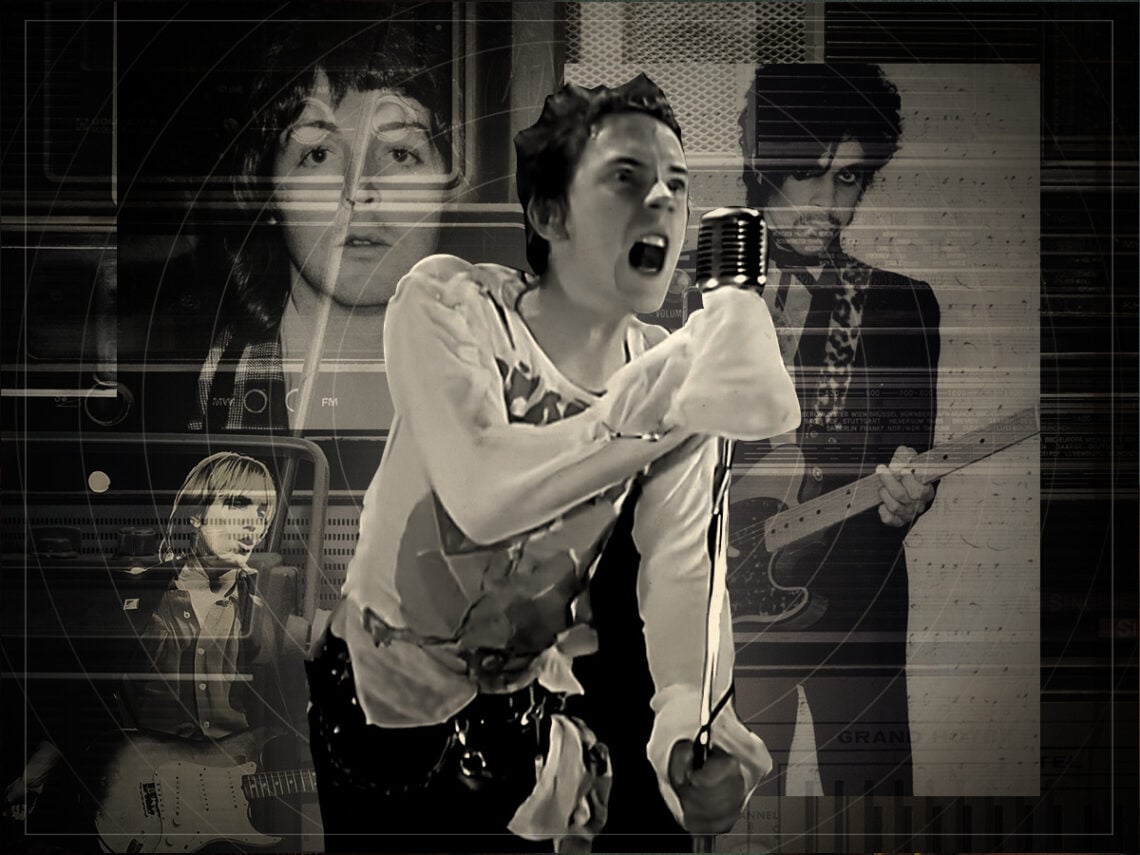
10 classic rock songs that were banned from the radio

From an outsider’s perspective, rock and roll always seemed to be the devil’s music. While the sounds of Chuck Berry may have seemed like a passing fad, the genre was here to stay once the British Invasion got underway. While some may have taken offence to the lyrics, a selection of higher-ups believed acts like The Beatles should be banned altogether.
Being banned from the radio has, on many occasions, deterred listeners from searching out the song and adding it to their collection, nevertheless. But, for the most part, banning anything, especially music, usually only promotes the record. For every banned album, there are millions of album sales attached. Songs that were ripped from the radio, more often than not, found their way into the ears of their intended targets.
Although some of these songs may not have been for the faint of heart, hearing them in public didn’t sit well with the censors of the day. To avoid creating “moral panic”, they banned each of these songs from being played on the radio. Despite the public buying the records in droves, the concerned parents of the world bought into the controversy, making sure their kids were never caught with this supposedly horrid paraphernalia.
Granted, every ban happens for a different reason, and these songs ran the gamut in terms of why they were banned. From insinuating that they would start riots to the immoral practices they were preaching in their songs, every one of these tracks was linked to some wicked aspect of society that was not going to be tolerated.
Then again, the number one thing to say to rebellious kids is that they can’t listen to their favourite music. While these might have been restricted listening, fans still bought these records in droves, either listening in secret or blasting it through their speakers to get back at the censors. Censorship might have its place, but these restrictions practically became glorified advertisements later down the line.
The 10 best rock songs that were banned:
‘Hi, Hi, Hi’ – Paul McCartney

To most readers, Paul McCartney looks like one of the most wholesome characters in music history. For all of John Lennon’s cynical wit, McCartney was always the good-time spirit behind the Beatles’ greatest hits. The cute Beatle could get nasty, and the BBC was a bit uncomfortable when Wings debuted their latest single ‘Hi Hi Hi’.
Since this was the golden age of excess, a song about wanting to get high was not going to fly on British radio, no matter what the spelling of the word was. The sexual innuendo of the phrase “get you ready for my polygon” didn’t help matters, especially when the general public heard it as “body gun” instead.
As McCartney reached his twilight years, he has since removed the song from regular rotation when he plays live, saying that he felt strange playing a song about getting high when he had young kids in his audience. In the 1970s, that line might have stood for something else, but McCartney is more about simple pleasure these days and is content to get high on life.
‘Lola’ – The Kinks

For as conservative as the ‘70s were, the Kinks were treading on thin ice with ‘Lola’. Although the laid-back feel of the tune may have been fine, Ray Davies’s lyrics about going home with a crossdressing man would have sent shockwaves through the rock community. When you look under the hood, banning this song had more to do with branding than anything else.
In the first line, Davies rhymes ‘Lola’ with ‘Coca-Cola’, which went against the BBC’s laws about advertising. Though the song ended up becoming a hit either way, the censored version replaced the brand name with ‘cherry cola’.
Despite its strange journey up the charts, The Kinks classic turned into one of the go-to singalongs in classic rock while also paying homage to the glam rock scene that was coming up in their wake. While ‘You Really Got Me’ may have been the 1960s version of sexuality, this was a new level of raunchiness that some parents weren’t ready for.
‘God Only Knows’ – The Beach Boys

Compared to every other act coming over from Britain, the Beach Boys started to look a lot more passé. While they had the same influences as the Beatles and the Rolling Stones back in the day, the Summer of Love began to make the fun-in-the-sun band from California look like schoolboys with their songs about surfing and cars. When Brian Wilson decided to unleash his talent on Pet Sounds, the radio wasn’t thrilled with his choice of love song.
After crafting the masterpiece ‘God Only Knows’, Wilson came under fire for using the word ‘god’ in the song title, which the radio accused of spreading blasphemy. While the song didn’t mention any kind of threats against Christianity, the song was pulled on principle, relegating it to an album track.
Despite being tucked away, this has been heralded as Wilson’s masterpiece by his peers, with Paul McCartney calling it one of the greatest love songs that he had ever heard. Even though the pushback may have been a little harsh, getting praise from the Beatles is enough to make it go down easy.
‘Let’s Spend the Night Together’ – The Rolling Stones

When the Rolling Stones first emerged on the scene, their whole appeal was about being dirty and grimy. Whereas the Beatles may have been the more wholesome version of rock and roll, Mick Jagger and Keith Richards were the kind of rockers that no mother wanted to see their daughter with. So when The Stones have a song that’s explicitly about sex, they were already walking on eggshells.
After putting out ‘Let’s Spend the Night Together’, the band got pushback because of its obvious sexual implications. Although the band went along with the ban and worked their sets around the song, they were still going to perform it on their terms.
When playing the Ed Sullivan Show, Jagger was asked to change the line to ‘Let’s Spend Some Time Together’ for the live broadcast. While the mothers may have been satisfied hearing this version at home, Jagger’s sarcastic facial expression said it all. This song was about the carnal desire of love, and no amount of changing lyrics was going to change the spirit behind the tune.
‘You Don’t Know How it Feels’ – Tom Petty

There’s never going to be another rock icon as laid back as Tom Petty. Although the heartland rocker was known for mellow songs you could play on acoustic guitar, he fought for what he believed in and would often stick his lifestyle right in the middle of his songs. When you start talking about recreational drug use, that’s when the radio starts to take offence.
During Petty’s career resurgence in the ‘90s, his single ‘You Don’t Know How it Feels’ came under fire due to the line about smoking another joint and heading down the road to somewhere new. Though Petty needed to change the line to get it on the radio, his way around it was a lot more psychedelic than you would think.
Instead of recording a radio-friendly version of the song, Petty decided to take the sound bite of him saying ‘joint’ and playing it backwards, making it sound like he’s saying ‘nooj’ whenever the line comes up. Regardless of the druggy lines, Petty’s music was born out of the glory days of AM radio, and his weed habit was going to get on the air whether the censors knew it or not.
‘The Hand That Feeds’ – Nine Inch Nails
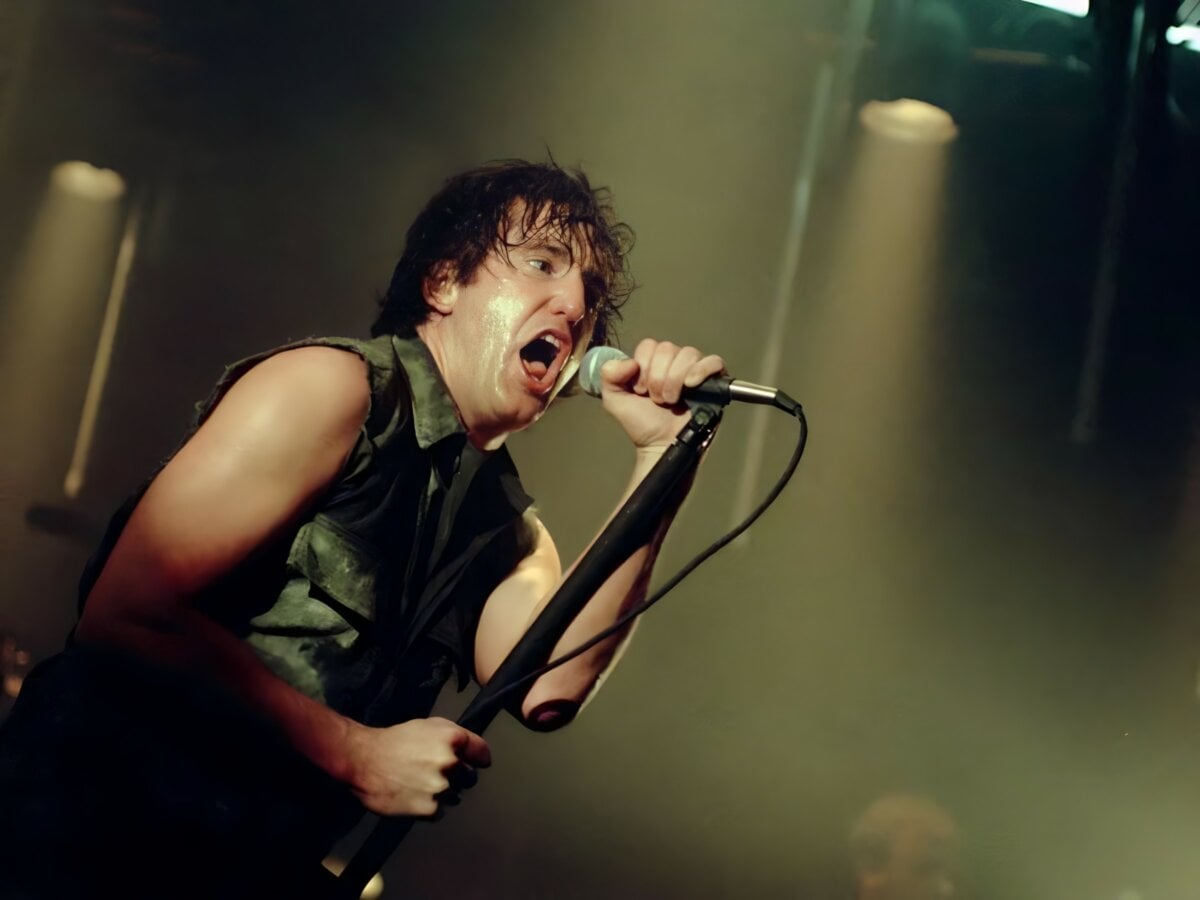
In the wake of the Iraq war, America was in a tense position. While the shadow of 9/11 was still fresh in everyone’s memory, President Bush sending innocent men to a war that they didn’t want to fight wasn’t sitting well with concerned citizens. The country was already divided, but that didn’t give Trent Reznor the OK when he walked into the MTV Awards.
While originally going into the award show to play the song ‘The Hand That Feeds’, Reznor was told that he couldn’t use his usual setup, which involved a huge billboard of Bush unfurling during the song’s chorus. Rather than compromise, Reznor pulled out of the show, never to turn up on the MTV stage ever again.
That wasn’t even the last time that Reznor fell out with an award show, penning an open letter to the Grammys about his issues and even encouraging his fans to steal his album if they needed to. The US was already on their way to war, but Reznor was willing to wage war with any award ceremony that wouldn’t let him speak his mind.
‘Jump’ – Van Halen

The air in America felt a lot different after the events of 9/11. Even though ground zero may have taken place in the middle of New York City, the entire country had a gaping wound that wasn’t going to be filled so easily. And when it came time for everyone to turn the radio back on, they were greeted with bans on certain songs.
Although some songs were deemed insensitive after the attacks, the inclusion of Van Halen’s ‘Jump’ was a case of jumping the gun way too quickly. As opposed to actually jumping off a building, this is supposed to be a hair metal anthem about getting with some girl that you meet in a bar.
Granted, there’s also a good chance that the censors saw only the title and didn’t think twice about not playing it on the radio. Jumping might not have been on everyone’s mind back then, but this was more about getting people to bounce in an arena than causing mass hysteria in the streets.
‘God Save the Queen’ – The Sex Pistols

Punk rock and chaos have always gone hand in hand. Even though the main focus was on social change through music, the Sex Pistols were always about upsetting the establishment and making songs that would cause controversy. Anything went if it was deemed offensive, and it couldn’t have gotten any worse than a piss-take on the British national anthem.
Despite the title, this is a scathing indictment of what the British government was like at the time, as John Lydon snarled about there being no future for England. While the song sounds triumphant, it only comes from the joy that Lydon has of seeing all of the aghast looks on people’s faces whenever he sang this song.
Just releasing the song just wasn’t good enough. In an attempt to take the piss even further, the Pistols docked a boat right next to the Queen’s Jubilee in an attempt to get more publicity for their record. This song didn’t bring down the monarchy by any stretch, but the Queen that most punks were familiar with had a safety pin through her nose.
‘Darling Nikki’ – Prince

Around the 1980s, concerned parents in America were becoming wary of popular music. Through the advent of MTV, some of the biggest stars were being shown in living rooms around the world, bringing some shocking images that wouldn’t sit well with the more conservative stripe of music fans. As such, the Parents Music Resource Center was born, and Prince was at the top of their hit list.
While the music superstar was already white-hot off of Purple Rain, the song ‘Darling Nikki’ was not going over well in Washington. Including mentions of getting together with a sex fiend, Prince doesn’t leave out any details, as he talks about grinding with her and meeting her while she was pleasuring herself with a magazine.
Although the song and accompanying album eventually got a Parental Advisory sticker slapped on it, fans responded in droves, turning to the Purple One to learn about all the twisted tales that Nikki had to offer behind closed doors. There have been countless songs that have been accused of having smut, but if you rule out songs about sex, you’re getting rid of half of Prince’s discography.
‘Lucy in the Sky With Diamonds’ – The Beatles

As the Beatles ended their touring days, a big question was lingering in the air: what to do next? The band had played to some of the biggest crowds imaginable, but Sgt. Pepper blew their creativity wide open, along with the help of a few psychedelics. When the band started to use the studio as their playground, they also got into a bit of trouble with John Lennon’s Alice in Wonderland fairytale.
After combing through ideas with Paul McCartney, Lennon hit upon a song about a girl floating in the sky from his son Julian, who made a drawing in school with the same name about a girl he fancied. Using that as his muse, Lennon was off in his own wonderland, making up surreal images like plasticine porters and newspaper taxis.
When the radio got hold of the single, they got cold feet when seeing the letters of the song title spelling out LSD. While Lennon has always refuted the claims that the song was about drugs, it’s hard to take him at his word with each image swirling around in your head. The Beatles may have taken psychedelics in their time, but this song opened up a whole different world of possibilities for artists to follow.

Never Miss A Beat
The Far Out Beatles Newsletter
All the latest stories about The Beatles from the independent voice of culture.
Straight to your inbox.