


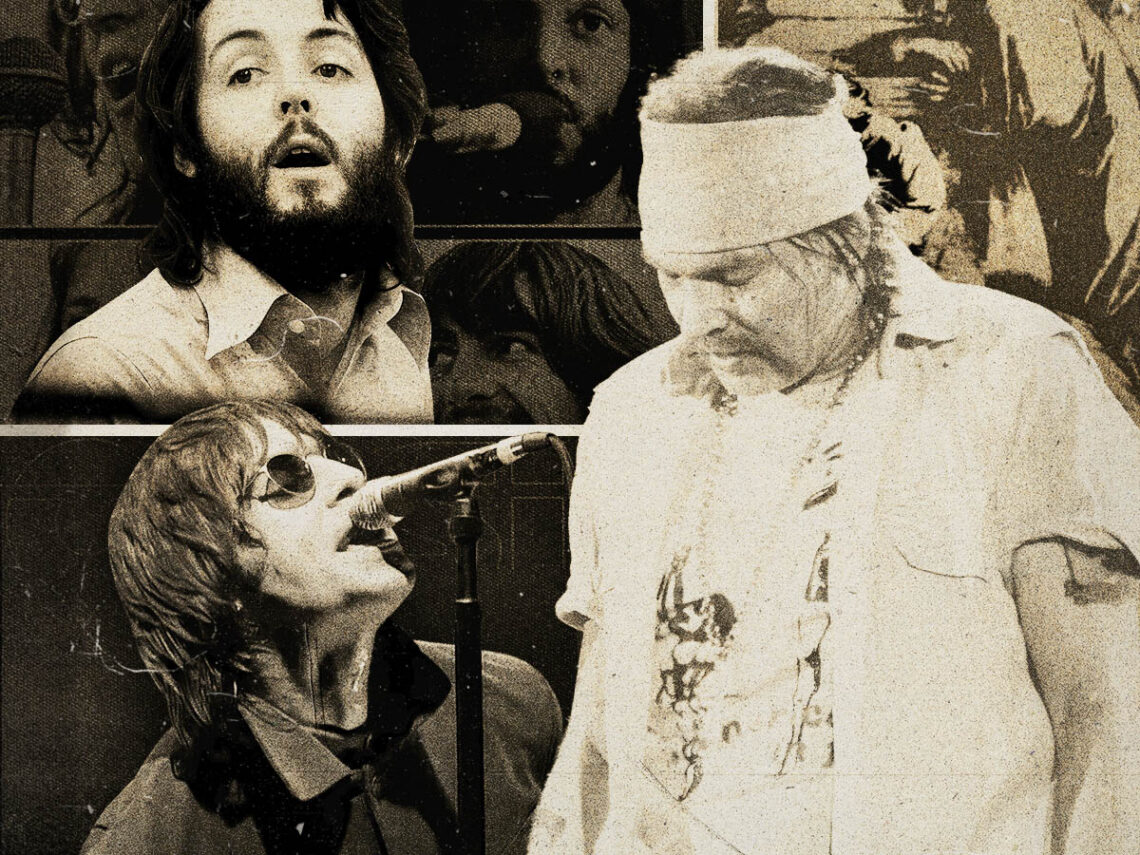
10 classic rock bands that fell out over one album

Throughout the music business and life, all good things must come to an end. Although some bands might seem like they can go on forever, there are always those few groups with competing tensions, waiting for something to boil over. Perhaps, it could stem from an argument or one too many rehearsals gone awry but acts like Blink-182 and the Foo Fighters can point to an album where everything went wrong.
Admittedly, the albums listed below are not necessarily responsible for tearing the band apart. While there might have been some headaches during the making of problematic records, most ended with the group dynamic changing drastically, from key figures leaving the fold to the chemistry being affected and never getting back on the same page.
Despite being ground zero for the group’s demise, not every album created in troublesome atmospheres are terrible pieces of art. Throughout each of the projects made in such environments, there are subtle flickers of what could have been exceptional songs or the occasional classic that took the band from established to one of the best in their field.
As the title implies, none of these good times were meant to last forever, as most of these acts either fell apart in the few years after these albums were released or disintegrated before the record had even hit store shelves. The bands listed below may have changed the course of music while they lasted, but there was no going back once these albums were released.
10 bands that fell out over one album:
Blink-182 – Blink-182
Pop-punk music has always been a young musician’s game. Although there have been late-career renaissances from the likes of Green Day over the years, it’s not always easy to write about the hardships of a teenager when artists approach their 30s. Most acts would want to start exploring new territory, and Blink-182’s journey into new lands permanently disrupted their dynamic.
After Tom DeLonge worked on his own side project Box Car Racer, the trio came back together for their self-titled album, which was far from the sounds of ‘All the Small Things’. Outside of singles like ‘Feeling This’, most of the album stretched their creative muscles, delving into the world of synthesisers on tracks like ‘Always’ and coating their sound in a quasi-gothic light such as ‘I Miss You’ or bringing in Robert Smith of The Cure for ‘All Of This’. While the results spoke for themselves, they only got there through pain.
By the time Blink went out on the road, DeLonge was too frustrated having to rely on playing pop-punk songs over and over again. When the band were gearing up for their greatest hits album, DeLonge emailed the rest of the band saying he was leaving, putting them on hiatus until the 2010s for the album Neighborhoods.
Pinkerton – Weezer
Not every musician is necessarily equipped to deal with fame. Although some people dream their whole lives to be rock stars, there are others who are looking to hide in the background, only to be thrust into fame whether they like it or not. Rivers Cuomo was one of those uncomfortable weirdos, and he decided to air out all his pain on the album Pinkerton.
After writing a carefree collection of songs on Weezer’s debut album, Cuomo got much more candid on this record, talking about how much he dislikes the ins and outs of being a rockstar and struggling to talk to girls on ‘El Scorcho’. Despite this album being viewed as a masterpiece today, fans were appalled, not wanting to hear the complaints of a 20-year-old guy being crushed by his rock star status.
Once the tour ended, Weezer went on hiatus and broke up for the rest of the ‘90s, returning in the ‘00s with their green self-titled album, which seemed to try to erase what they had done before. Though the sound of ‘90s Weezer might rear its head every now and again, the visceral reaction to Pinkerton probably means that Cuomo will never write something like ‘My Name Is Jonas’ ever again.
The Long Run – The Eagles
Success can sometimes be as scary as failure. Of all the great albums Eagles made throughout their tenure, Hotel California was the crowned jewel for them, making some of the best songs of the ‘70s rock scene, like the title track and ‘Life in the Fast Lane’. Now they had to top what they just did, and all of the pressure finally set in when they showed up for The Long Run.
Although the album featured some great songs like Timothy B. Schmidt’s ‘I Can’t Tell You Why’, every band member remembers the sessions as absolute hell and not getting anything done because of how insecure they were about writing another hit. The fact that they were doing cocaine also didn’t help, leading to sessions where nothing happened but snorting lines off the board.
The real final straw came when they took to the road, and Don Felder finally had enough of being treated like a second fiddle to Don Henley and Glenn Frey. After growing fed up with never having a say in singing, Felder argued with Frey onstage during a benefit gig and stormed out of the venue once the show ended. When Schmidt got ahold of Frey a few weeks later, the writing was on the wall. The men responsible for layers of sunshine rock had finally come to a bitter end.
Balance – Van Halen
By the end of the ‘80s, it seemed like nothing could stop Van Halen. Even after losing one of the most charismatic singers of the ‘80s in David Lee Roth, they soldiered on with Sammy Hagar, who brought a more musical edge to their sound throughout the rest of the decade. Then again, not even a band with Eddie’s amount of chops could have survived the alternative invasion of the ‘90s.
When writing the basis for Balance, the band were no longer compromising, with Sammy Hagar frustrated at where Eddie was taking the songs. Eddie also had some questions about Hagar’s lyrics as well, making him re-write ‘Don’t Tell Me What Love Can Do’ and growing bitter once Hagar wrote the song ‘Amsterdam’ about getting high in the Netherlands. Seeing how Eddie and Alex were native to the region, Hagar’s Americanised version of the place might not have helped.
After Hagar left following the recording of songs for the Twister soundtrack, the band were in free fall with new singer Gary Cherone on Van Halen III until they finally settled in with Roth again for their farewell album, A Different Kind of Truth. Eddie had once bragged that Balance would be the first album that he got sober on, but the tour ended up going so poorly that he immediately started drinking again.
The Colour and The Shape – Foo Fighters
Dave Grohl has firmly etched himself as the Tom Hanks of rock music. Even though not everything he creates is golden from back to front, it’s hard for anyone to find something to dislike about Grohl. The Foo Fighters started out as Grohl’s band, and things got heated when he had to give up the reigns for the first time.
After performing most of the band’s debut by himself, The Colour and the Shape was the first time the touring band would be brought into the fold. Although Pat Smear and Nate Mendel settled in well at first, drummer William Goldsmith could never cut it in the studio, being constantly picked apart by Grohl because of his knowledge of drum parts. Once Grohl decided to redo the record with him playing the drums, Goldsmith asked to leave, not wanting to play in a group where he couldn’t contribute.
While Taylor Hawkins took over the role with ease, Smear had had enough as well, quitting on the tour and replacement Franz Stahl being fired before the next album began. The Foo Fighters were already two albums in, but the amount of band dysfunction comes down to the growing pains of what Grohl wanted to turn his band into.
Siamese Dream – The Smashing Pumpkins
Around the same time as grunge, The Smashing Pumpkins were cooking something different. While they had respected the grunge scene and had even worked with Nirvana producer Butch Vig, Billy Corgan was going for something more bombast. Although their debut Gish had done very well, Corgan knew that Siamese Dream would be even bigger, and he did not want to screw it up.
Although Corgan has maintained the act is a group effort, the performances of James Iha and D’arcy Wretzky aren’t audible on the finished product. In a bid for perfection, Corgan overdubbed his bandmates’ parts, knowing what he wanted to hear in his head didn’t match up to what they played.
Since it’s expected that musicians want to play what they want, Wretzky and Iha were walking on eggshells throughout the rest of the decade, going along with Corgan throughout the double album Mellon Collie and The Infinite Sadness before having enough and quitting towards the end of the decade. While Iha has found his way back into the Pumpkins recently, there’s a slim chance that Wretzky has warm feelings about her old band these days.
Standing on the Shoulder of Giants – Oasis
There are no real guidelines to get around Oasis’ problem with Be Here Now. Though the album sold in droves and was number one for weeks, fans soured on the record over time, which has more guitar overdubs than the Gallagher brothers have arguments. The Britpop legends smoothed things over with the B-sides collection The Masterplan, but the studio release was the sad aftermath of everything.
Noel wanted to be more in control during the making of Standing On The Shoulder of Giants after getting clean and cutting most of the drugs out in the studio. While Noel might have been on the road to recovery, the rest of the band didn’t share his enthusiasm, with Bonehead and Guigsy wanting to still have weed in the studio while they worked.
Since they weren’t willing to adapt to the schedule, Noel fired them, finishing off the record with Liam and bringing in Gem Archer and Andy Bell after the fact when they started to tour. The songs on the individual songs read like a sad comedown from that as well, as Noel sings the heartbroken lament ‘Where Did It All Go Wrong’. Oasis used to be considered a gang of rock and roll rebels, but now it was clear that only Noel and Liam were steering the ship.
Use Your Illusion – Guns N’ Roses
Guns N’ Roses came out swinging on their debut, Appetite For Destruction. Across every song, the album reads like a diary of the lives of gutter rats in Los Angeles, where they could either die or achieve their rock and roll dreams in a single night. Now that all of their dreams were achieved, Axl Rose wanted to aim higher and Use Your Illusion set the bar far higher than most of the band was ready for.
Looking to make a double record of all new material, the band shuffled throughout different recording studios until finally working on music. Though the songs ran the gamut of styles, not everyone was on board with Rose’s insistence on the piano ballads, with ‘November Rain’ becoming one of the most monumental songs of their career. Despite winning over the fans, the group were not prepared for what happened on the road.
As they travelled around the globe twice, the excesses of rock and roll reached an all-time high, with Slash almost dying and having to be revived by paramedics. Meanwhile, the band would no longer include Steven Adler and Izzy Stradlin by the time the tour wrapped up. Even though the covers album The Spaghetti Incident? may have been a fun aside, what fans were hearing on this LP is the sound of the band breaking up.
St. Anger – Metallica
Metallica’s dreams of metal mayhem were dashed the minute that Cliff Burton tragically died in a bus crash in 1986. The band had looked at themselves as a metal machine, and losing one of their own wasn’t going to be glossed over that easily. Even though Jason Newsted settled in comfortably at the time, the years in between made for one of the biggest downward spirals in metal history.
After joining the band, Newsted would often get frustrated with how little input he would contribute to the group, only offering up a handful of riffs across a decade of music. Even though he flexed his muscles with side projects, James Hetfield’s insistence on no side projects led to him leaving, feeling stifled that his songs were being given the time of day.
While Metallica tried to remedy everything with professional therapy, Hetfield started to crack once Newsted, leaving the group for a year to go to rehab before finally settling in for St. Anger. Though the band might have been healthier, the album was unsalvagable, having some of the most grating songs to ever grace a mainstream metal release. Then again, this album wasn’t made for its mainstream potential. It was made to keep Metallica from breaking up.
Let It Be – The Beatles
The Beatles were lost following the death of their manager Brian Epstein. After making some positive strides with their business venture Apple, the sessions for the double release The White Album showed the band growing apart, being drought with tension among the ‘Fab Four’. While Paul McCartney had the idea of the group getting back to their roots, Let It Be is the sad result of the band finally crumbling.
After wanting to get out of Abbey Road Studios, their choice of working in Twickenham Film Studios turned out to be a disaster, as McCartney desperately tried to steer them in the right direction. Since George Harrison wasn’t getting any attention paid to his iconic songs like ‘All Things Must Pass’, he quit the band midway through the sessions, eventually having to be persuaded to come back by the rest of the band.
Though the album capped off with The Beatles playing an impromptu gig on the top of Abbey Road Studios, the project would be shelved while they worked on Abbey Road. While the tapes could have stayed on the shelf, Phil Spector’s re-working of the album didn’t sit well after the project was done. McCartney had some strong complaints about what Spector to his songs like ‘The Long and Winding Road’. The album might have been called Let It Be, but there’s a slim chance that The Beatles were going to be abiding by that principle by the end of their tenure.

Never Miss A Beat
The Far Out Beatles Newsletter
All the latest stories about The Beatles from the independent voice of culture.
Straight to your inbox.