


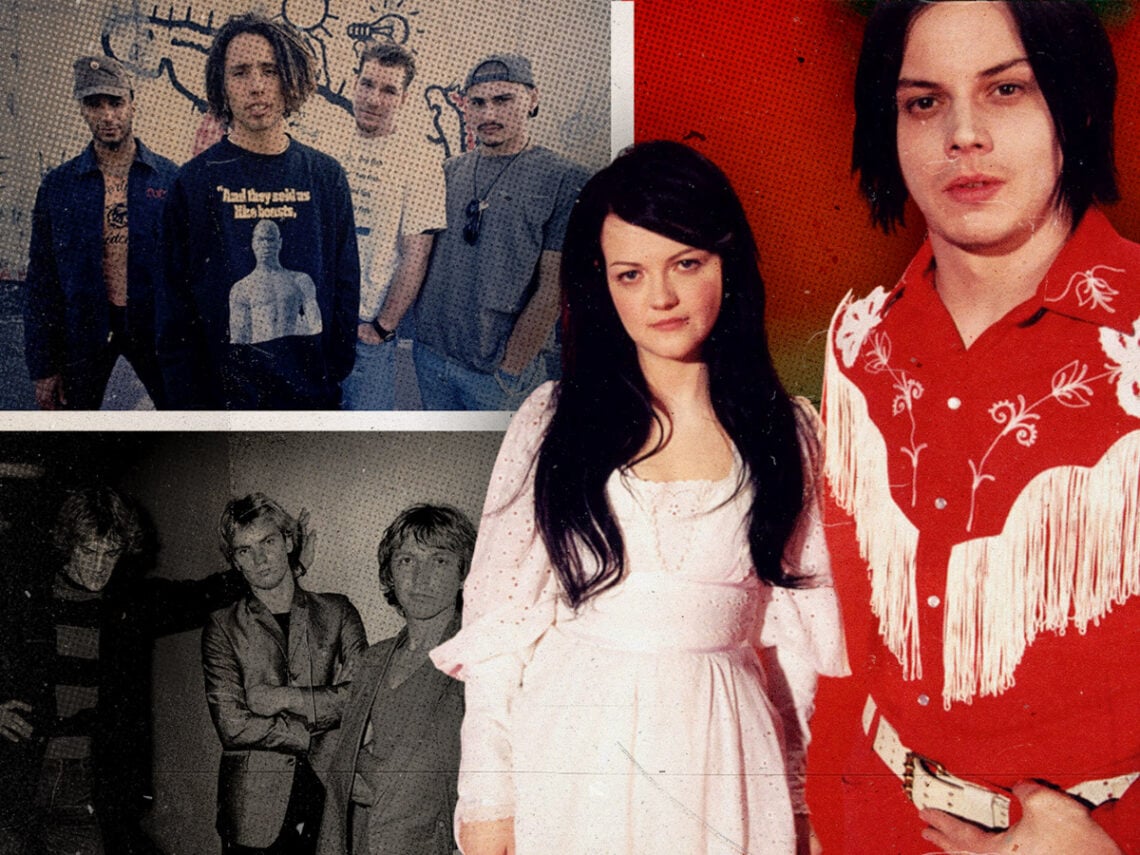
10 bands that disbanded at the height of their fame

Naturally, fans want to believe that their favourite musical acts will be around forever. For as long as there is music filling the air, there will always be a new album coming from acts willing to impress audiences with a bold new reinvention of their sound. However, all good things must eventually come to an end, and some band break-ups arrive straight out of the blue.
Even though each of the artists listed below were making big bucks on tour cycles, most of them decided to pack it in while they were one of the biggest acts in the world, leaving most craving more. Although it might seem like the craziest move imaginable, more goes into a band breaking up than just stopping in their tracks.
Sometimes creative tensions can tear at a group and its members, and there comes the point when artists will want to try new things outside of the confines of what they normally do. Heartbreakingly, some of these groups tragically fall apart because of casualties, with one of their members passing away, leaving the rest unable to recover.
These artists don’t need to answer to anybody, though, and there are times when the decision to hang it up just comes down to personal taste, not wanting to do carry on the same path, paving the way for something new. It might not have been what the fans wanted, but it was probably better to stop at the top before the music business stopped them later in their career.
10 bands that disbanded at the height of their fame:
The Beatles
Where better place to start? The massive success of The Beatles was never intended to last forever. While the Fab Four had carved out a niche for themselves as one of the premiere acts of the British Invasion, the second phase of their career was something different, branching out into experimental territory across their albums. After a few years together, the muse of every member became much bigger than The Beatles’ mantle could handle.
After trying their best to make it work on The White Album, every band member was venturing into new directions. While the original idea for the rootsy Let It Be was shelved, The Beatles returned one more time for Abbey Road, which turned into their final swansong just a few years later.
Though the idea might have been to take a break, the business differences between the members led to them taking jabs at each other in the press and in song later on in their careers, with the songwriting team of John Lennon and Paul McCartney using their material as weapons. The Beatles’ mantra throughout their later years was all about love, but not even their brotherly bond could stop the business from taking its course.
Rage Against the Machine
Every great Rage Against the Machine record fed off anger. Zack de la Rocha always intoned that his rage was a gift, and fans were to use that fury to enact change in the world. When they built everything on anger, though, it was only a matter of time before they turned that emotion upon themselves.
Although the band clicked on everything politically, every other ideology came into question when touring for the album The Battle of Los Angeles, including an infamous stunt where bassist Tim Commerford jumped on stage to protest Limp Bizkit at the MTV Awards. According to Tom Morello, the morale got so bad that they couldn’t decide what T-shirt designs to roll out before the show.
After making the covers album Renegades of Funk, Rage called it quits, with the rest of the members drafting in Chris Cornell of Soundgarden and forming Audioslave. The Rage may have been potent while it lasted, but some of the purest fires burn out way too fast.
Simon and Garfunkel
In the mid-1960s, Simon and Garfunkel felt like the antithesis of rock and roll. Although the ‘Summer of Love’ was happening around the same time they were working, Paul Simon’s pointed commentary on the changing times found a home next to acts like Bob Dylan on the pop charts. While the superb harmonies lasted for a considerable span of time, both men found themselves at an impasse towards the end of Bridge Over Troubled Water.
After compromising for many years, this album is where both men put their foot down about what they wanted their outfit to sound like, mixing sounds of world music with beautiful ballads such as the title track. As the duo finished the record, they returned to the stark realisation they worked better apart than together.
With Garfunkel moving onto a modest solo career, Simon turned himself into a superstar, penning songs that were indebted to folk tradition and eventually incorporating world music even more into his sound on Graceland. The folk rock diehards may have felt heartbroken, but this is the rare moment where the breakup leads to something even better.
The Doors
In the early days of ‘Flower Power’, no one was ready for something like The Doors. Although Jim Morrison was becoming known for his poetry, the uninhabited animal he became onstage led to some of the most raucous performances in rock history. As the dream of the ’60s ended, Morrison was lost by the time they created LA Woman.
Though the album was heralded as the group’s comeback album, Morrison needed to get away from all the hangups of Los Angeles, venturing to Paris with his girlfriend, Pamela. He would never return to the States, though, devastatingly passing away due to heart failure in the bathtub while on vacation.
While there was some mystery surrounding his death, any hope for The Doors to carry on without Morrison was futile, only pumping out two more albums before calling it quits. Every one of the band members is a more than capable musician, but there are no true Doors without ‘The Lizard King’ standing out front.
The White Stripes
In the early 2000s, The White Stripes helped rock and roll get over itself. In between the mountains of post-grunge bands on the airwaves, Jack and Meg White brought rock back to basics, playing root chords and songs that were indebted to blues traditions just like The British Invasion had done decades prior. Though the ’00s were defined by The White Stripes, it wasn’t a decade they would survive intact.
After the massive reception to their album Icky Thump, The White Stripes’ ensuing tour led to tension between the two, as Meg got more and more uncomfortable playing to huge crowds. As they finished their last run of dates, the group announced that their appearance on Conan would be their last, with Jack playing through the song with tears in his eyes.
While Meg opted out of the spotlight, Jack continued on his usual trajectory, carving out a stellar solo career while finding time to work with The Raconteurs and The Dead Weather. Becoming a rock star sounds like anyone else’s dream, but it wasn’t something that Meg wanted to live anymore.
Blink-182
There’s an entire generation of millennial kids whose childhoods were defined by Blink-182. While Green Day started to mature past their snotty roots, Enema of The State gave kids a new outlet for their adolescent angst, making songs that were punk rock nursery rhymes. No one wants to play that style forever, and Tom DeLonge hit a wall when recording Blink’s self-titled album.
Although this album boasts some of the most impressive left turns in their catalogue, DeLonge was on the way out, looking to make something a lot more atmospheric than what Blink was capable of. The underlying tensions from his work with the side project Box Car Racer also reared their head, with no one addressing the creative arguments in the studio.
By the time the tour wrapped up, DeLonge didn’t want to acknowledge his bandmates, breaking up over email and folding his new project into Angels and Airwaves. The classic lineup has since reunited, but this was the beginning of some dark days for the pop-punk poster children.
System of a Down
It almost feels like a mistake that System of a Down became famous in the first place. Putting genres like metal, rock, and Armenian folk music into the same outfit doesn’t feel like it would make for the best fit, but their scathing political commentary gave them a leg up on every other nu-metal act in the world. When it came time to turn their voice up, one of the few holdouts stood at centre stage.
When working on the albums Mezmerize and Hypnotize, Serj Tankian wasn’t sold on the music he was playing, thinking it would have worked better for guitarist Daron Malakian’s solo outfit. While this style would turn up on Malakian’s second band, Scars on Broadway, the accompanying tour was tense, with everyone disagreeing on what kind of message they wanted to send to their fans.
Although System has made countless reunions in the past few years, the road back to the studio still seems out of the question, with Tankian saying that he won’t work on something if he has no control over his art. Though the line ‘creative differences’ tends to be a smoke-screen answer for musicians, this is one of the few times it sounds true.
Eagles
Eagles started out as the poster children of California sunshine. Since the beginning of the ’70s had to do with the Vietnam war, songs like ‘Peaceful Easy Feeling’ and ‘Take It Easy’ were signs that things would be OK. Like all great acts, though, it gets to be a different conversation once the lawyers get involved.
During the next handful of tours, Don Felder was becoming unhappy with how he was getting paid, thinking he deserved a share of the money. As the band was set to play a gig in Long Beach for charity, Felder and Glenn Frey argued onstage, where both of them threatened to kill each other.
By the time everyone walked offstage, the writing was on the wall that the glory days were over. Even when they reunited in the ‘90s, Felder got kicked out again for the same financial reasons. Eagles have been known for their huge harmonies when singing live, but those harmonious voices come at the expense of personal disharmony on the road.
Led Zeppelin
In the late ‘60s, Led Zeppelin would become the future of rock. After playing blues with The Yardbirds, Jimmy Page’s latest outfit had everything a rock band could ask for, from the prototype riffs of hard rock to Robert Plant’s wailing vocals over every single track. No member of Zeppelin was replaceable, though, and when John Bonham passed away, it was curtains for the world’s heaviest group.
After going through some of the biggest heights of excess, Zeppelin was undergoing their darkest days on In Through The Out Door, with Page getting into heroin and Plant dealing with losing his young son. While most of them felt indestructible, a night of heavy drinking cost them Bonham, who fell asleep after a night of heavy drinking and asphyxiated.
While drummers may come and go in rock music, no one was going to replace Bonham, leading to the members going off in different directions. Zeppelin may have had the odd reunion show with Bonham’s son Jason filling out the rhythm section, but Plant has clarified that he doesn’t want to return to his Zeppelin days again.
The Police
The power trio is always a hard balance in rock and roll. Each member has to carry more or less equal weight, so no song collapses. The Police were all seasoned pros before they had even started, but the constant tension between all of them led to them breaking up the biggest band in the world.
Throughout the ’70s, Sting’s songwriting began to get more and more eclectic, moving from the sounds of punk to reggae to even jazz on some songs from Ghost in the Machine. However, when they hit on pop perfection on Synchronicity, the band decided that it was time to hang it up, with Sting moving onto a solo career while drummer Stewart Copeland went into scoring films.
Though most artists would want to stay at the top, Copeland mentioned that leaving the group was done at the right time, thinking it would be practical to stop at the top, so they didn’t have to worry about fading away. The Police could have easily kept their streak going, but they took Neil Young’s line “it’s better to burn out than fade away” seriously.

Never Miss A Beat
The Far Out Beatles Newsletter
All the latest stories about The Beatles from the independent voice of culture.
Straight to your inbox.