


10 albums so good artists never tried to top them

What’s a band to do when following up an album that leaves such a colossally high bar?
Throughout rock and pop, many an artist dreams up a record so beloved and filled with their creative blood, sweat, and tears that even attempting to pole-vault their own standard feels like a futile task. Many will opt for the artistic U-turn, throw themselves into a confounding whirl of reinvention to glean and bypass trying to climb their lauded LP entirely, but sometimes, plain old bad luck can scupper even the most dedicated band’s best intentions.
Internal drama, creative differences, financial implosion, or maddening perfectionism can all pull a band ever further away from the LP follow-up, leaving a final album statement that only grows with lauding power as the missed opportunity to enter the studio adds to its mystique.
Better to go out on a bang rather than a whimper, right? Whatever the reasons and circumstances, we rifle through the rock and pop canon and select ten of the album examples of an artist bowing out on an LP high note.
10 great albums that the artists never tried to top:
The La’s – ‘The La’s’
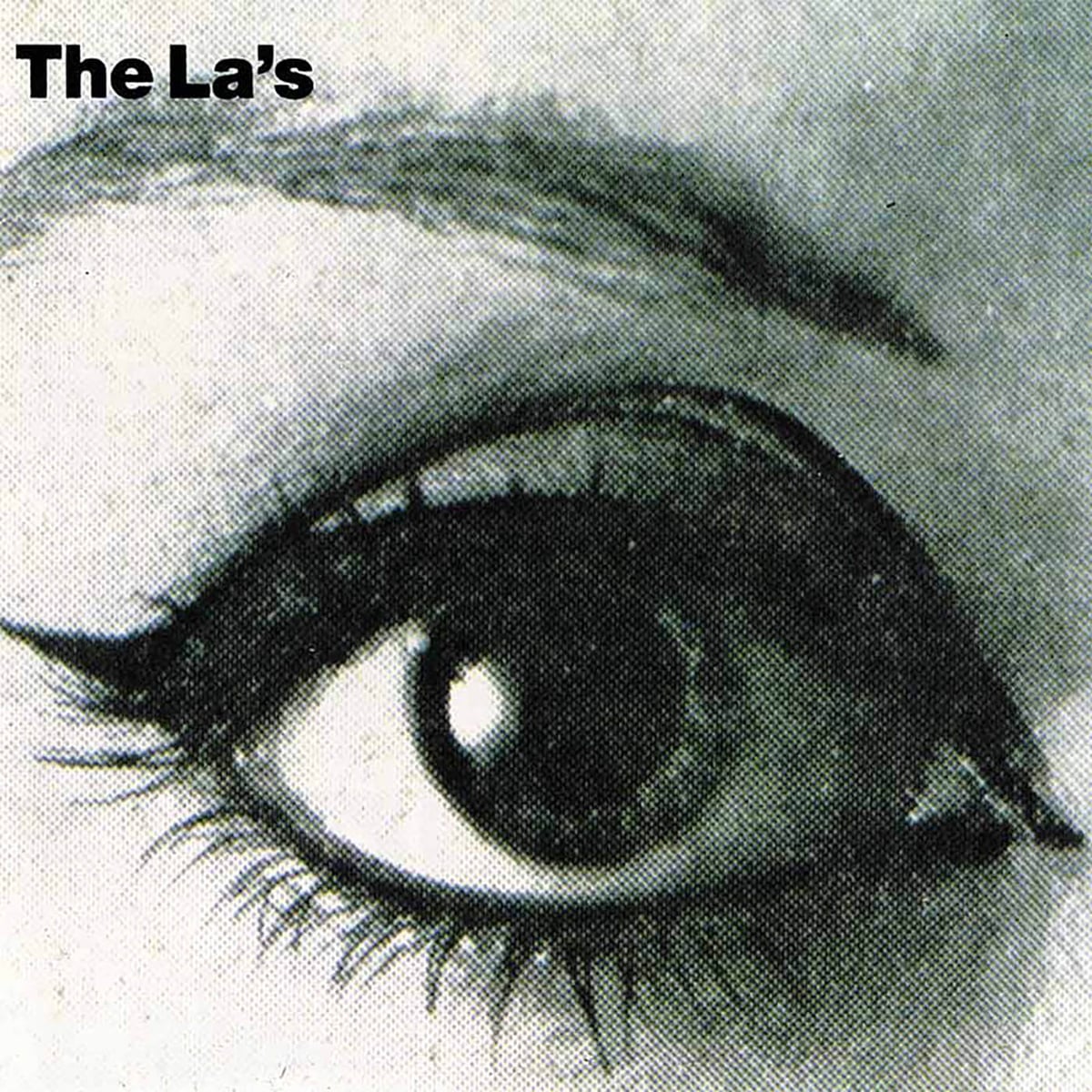
Release Date: October 1990 | Producer: Steve Lillywhite and Bob Andrews | Label: Polydor
Liverpool’s The La’s landed on the indie charts at the end of the 1980s with such prescient energy that they almost cut Britpop several years before its chart heyday. While greebo, shoegaze, and Manchester baggy reigned supreme, Lee Mavers and the gang cut scorching slices of slacker pop echoing the UK rock heritage of yesteryear.
Finding fame and influencing a generation of budding songwriters, including one Noel Gallagher, The La’s would drop their eponymous debut to acclaim, but leave a standard Mavers never felt could be touched again, where the band slowly disbanded due to the frontman’s perfectionist efforts to capture that same magic for album number two to no avail.
The United States of America – ‘The United States of America’
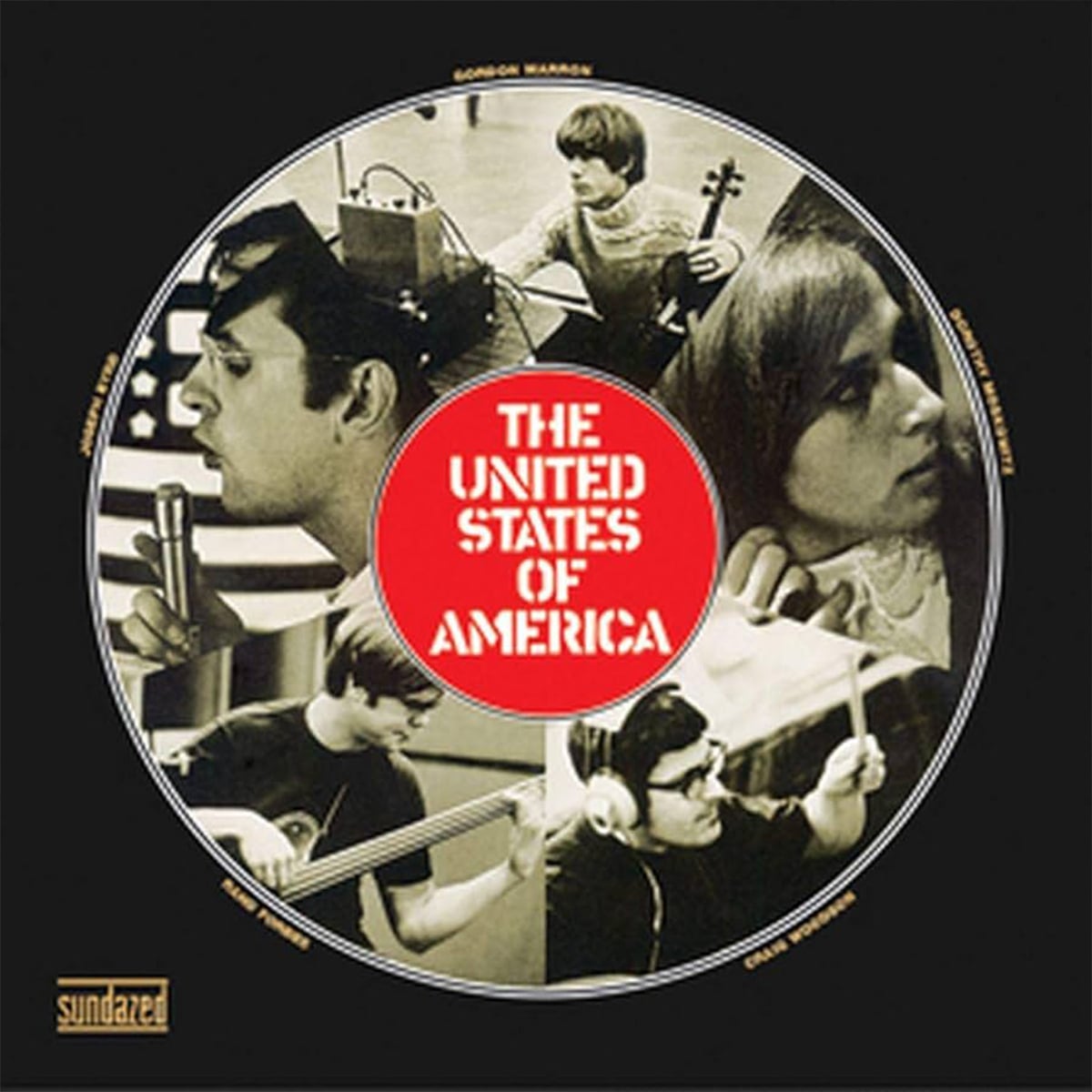
Release Date: March 1968 | Producer: David Rubinson | Label: Columbia
Soaking up the West Coast counterculture’s musical and political radicalism, composer Joseph Byrd and vocalist Dorothy Moskowitz added The United States of America’s psychedelic garage fuzz with a far-out smattering of electronic tape experiments and BBC Radiophonic Workshop that thrust the Summer of Love to infinitely avant-garde territory.
Engulfing and lysergic, their sole LP sounded unlike anything else, paving the way for electronic music while still a creature of the Los Angeles hippydom orbiting Woodstock. A tale as old as time, but infighting and drug busts eventually put a stop to any sophomore efforts, leaving 1968’s The United States of America to exist in trippy perfection from then on.
Hüsker Dü – ‘Warehouse: Songs and Stories’
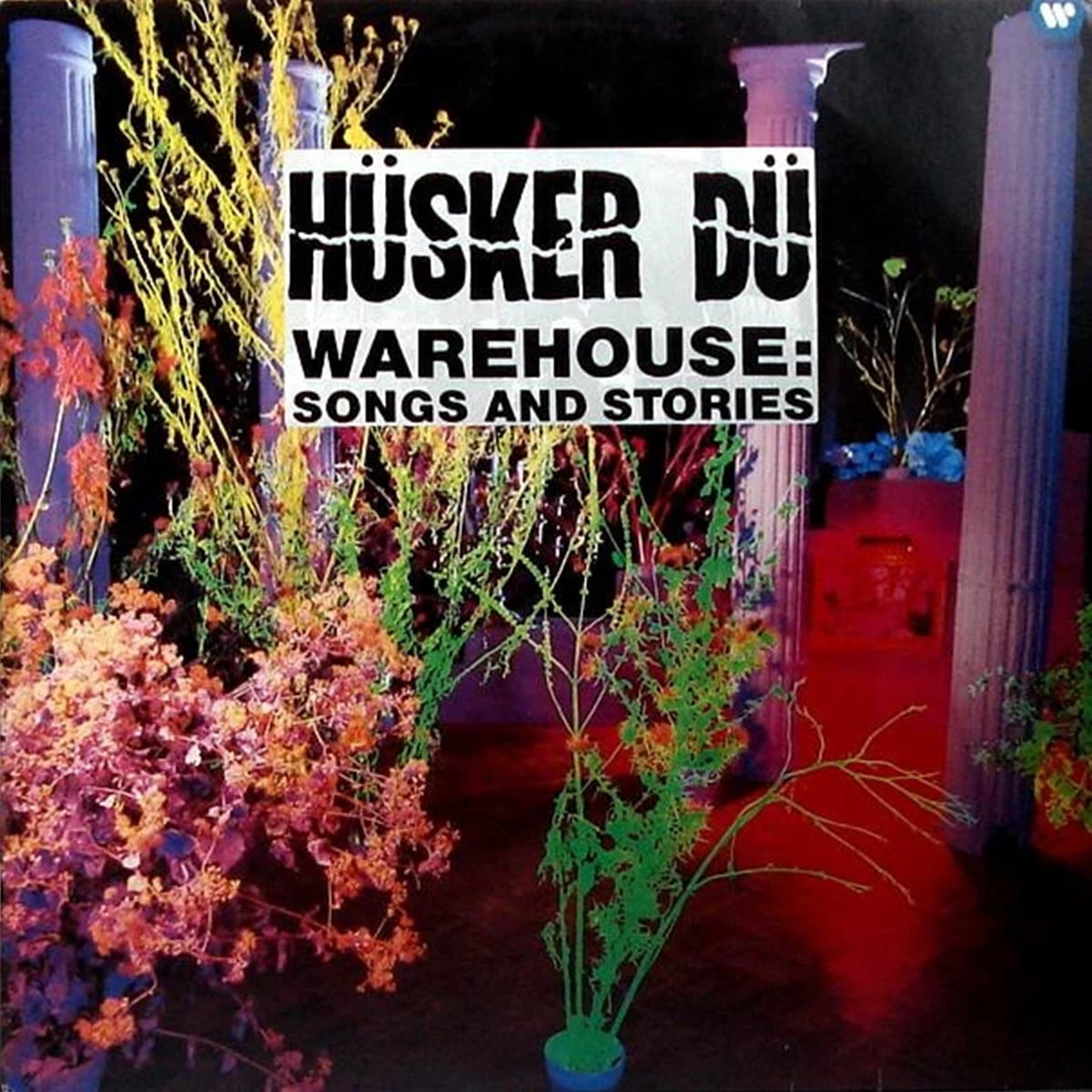
Release Date: January 1987 | Producer: Bob Mould and Grant Hart | Label: Warner Bros
The Minnesota trio had been on quite a journey since first burnished in the hardcore scene; from furious punk blasts to alternative rock not too far away from The Replacements or REM, Hüsker Dü bottled co-songwriters and vocalists Bob Mould and Grant Hart’s antagonistic tussle to drop an increasingly gripping brew of sharply melodic and textured jangle attack for the indie world.
While fast hurtling toward dissolution, Hüsker Dü dropped 1987’s Warehouse: Songs and Stories before the trio washed their hands of each other for good, a double LP that bookended a thrillingly unique voice in the punk underground, but never tempted the band to get back together for another studio offering.
Talking Heads – ‘Naked’
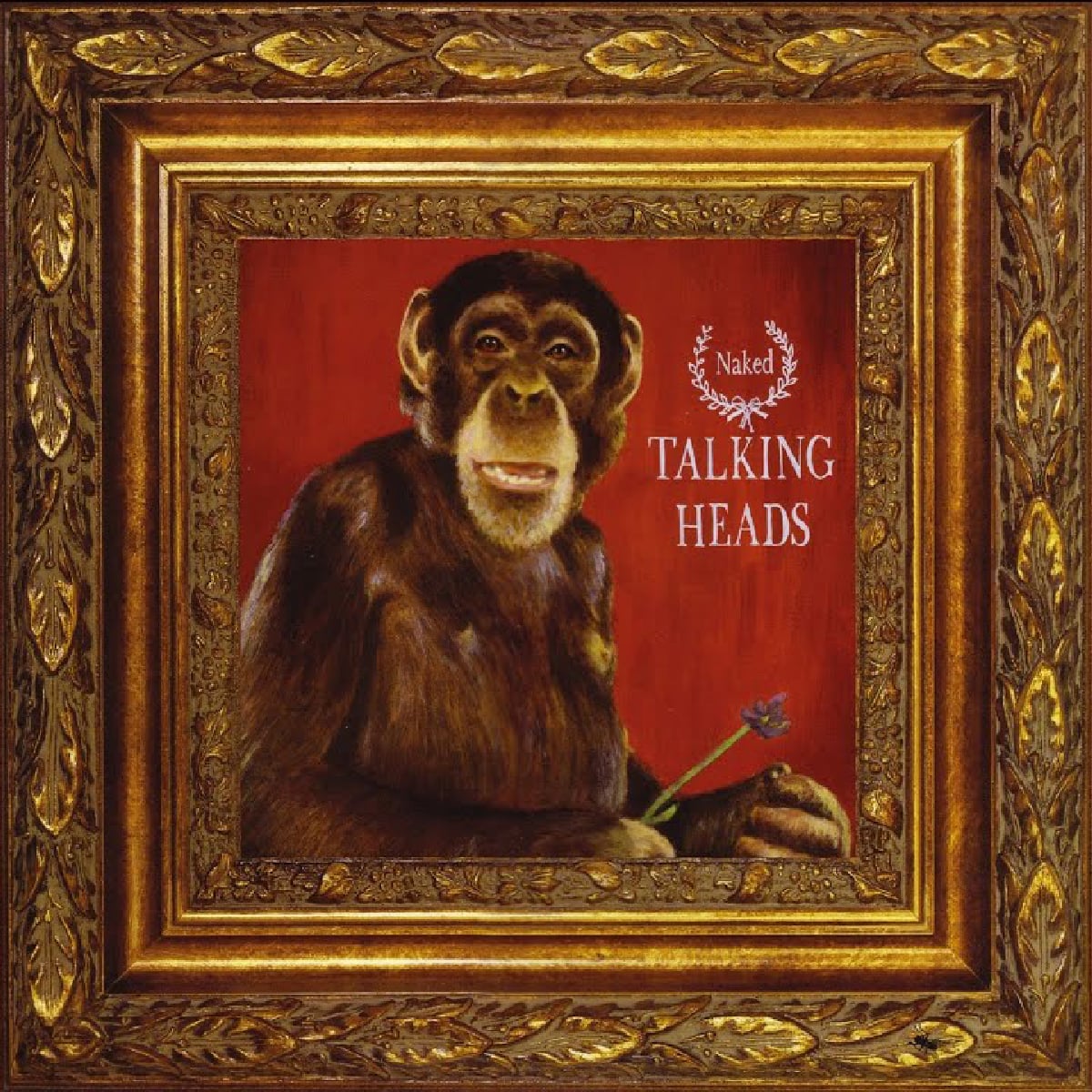
Release Date: March 1988 | Producer: Steve Lillywhite and Talking Heads | Label: Fly/Sire
While Blondie was CBGB’s first superstar, Talking Heads proved to be the new wave cohort’s most artistically enduring. Powering through the 1980s as one of the era’s most creative essential names, David Byrne and the gang just didn’t seem to be able to do wrong, keeping the art punks and music press happy while also dwelling confidently in MTV’s popsphere.
Solo ventures and projects beckoned, however, and nearing their end, Talking Heads eked out one final LP with 1988’s Naked, another bristling slice of Afrobeat groove laced with Byrne’s idiosyncratic lyrical reverie, recharging the band’s batteries after the lacklustre True Stories, but enough to avoid calling it day three years after without an album for the 1990s.
Lauryn Hill – ‘The Miseducation of Lauryn Hill’
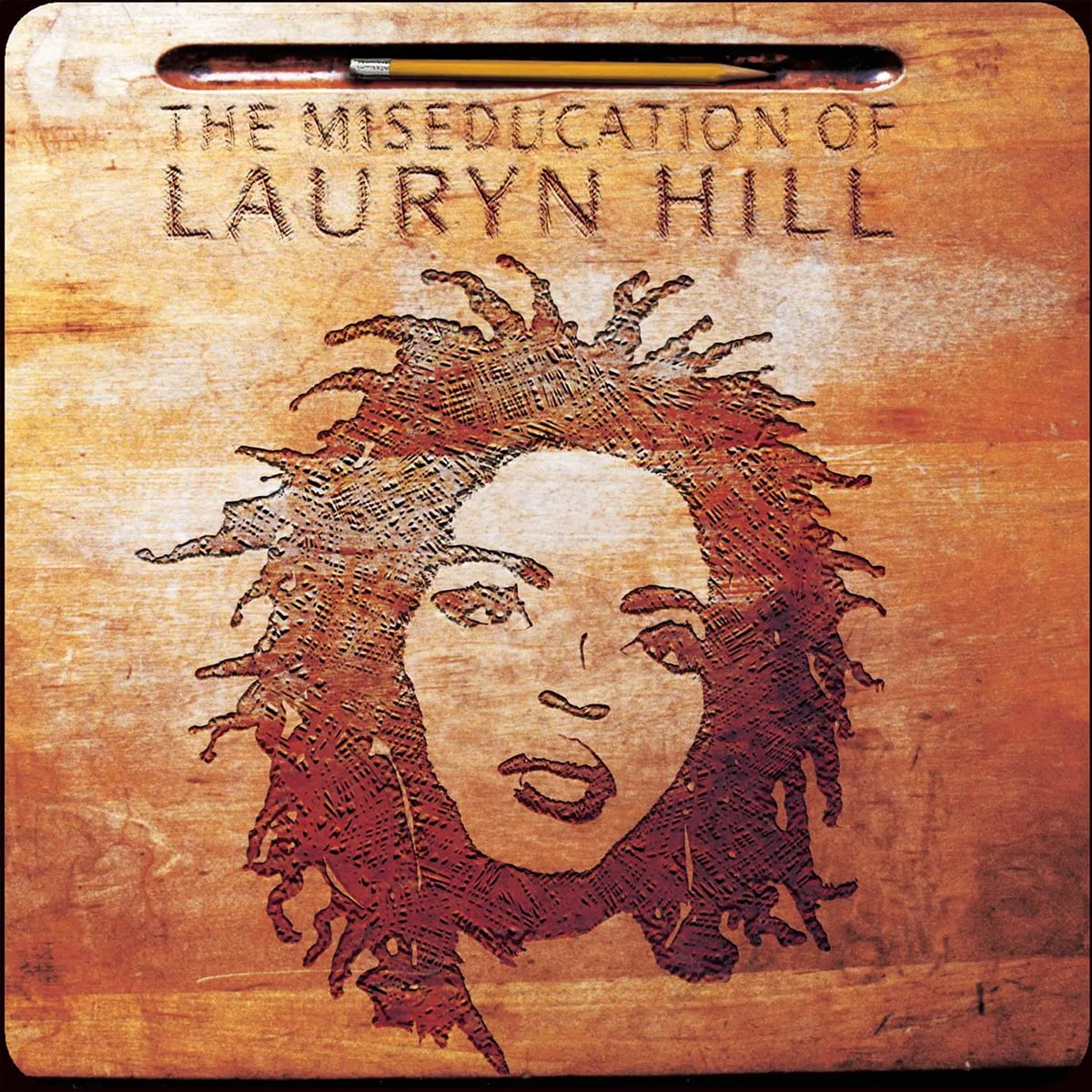
Release Date: August 1998 | Producer: Lauryn Hill, Che Pope, and Vada Nobles | Label: Ruffhouse
She was already big, having won a mammoth seller with The Fugees’ The Score two years previously, so expectations were high for singer and rapper Lauryn Hill’s first solo venture. Scoring a conceptual exploration of love and faith around the conceit of a school day’s lessons on life, 1998’s The Miseducation of Lauryn Hill would stand as one of the decade’s most celebrated LPs.
Yet, Hill never seemed to muster the energy to create a sophomore, turning her back on the music industry and dogged with a reputation of unreliable tardiness when performing live, her sole LP still towers over her career with unchallenged, neo-soul gravitas.
Young Marble Giants – ‘Colossal Youth’
Release Date: February 1980 | Producer: Dave Anderson and Young Marble Giants | Label: Rough Trade
Shaped by equal parts Brian Eno and King Tubby dub as much as the punk explosion, Cardiff’s Young Marble Giants embraced their minimal, DIY set-up to dream up a beguiling sound, draping itself in post-punk arrest but wandering a strangely dreamy realm.
Charged with skeletal guitars, brittle drum machines, and singer Alison Statton’s plaintive vocals, 1980’s sole Colossal Youth debut was captured in a moment of nocturnal perfection, shorn of fussy production trends or cumbersome instrumentation, ensuring its sonic austerity remains timeless for many years yet. The gang would pursue other excellent projects, but never would attempt to cut anything that could match Colossal Youth’s stirring simplicity.
The Smiths – ‘Strangeways, Here We Come’
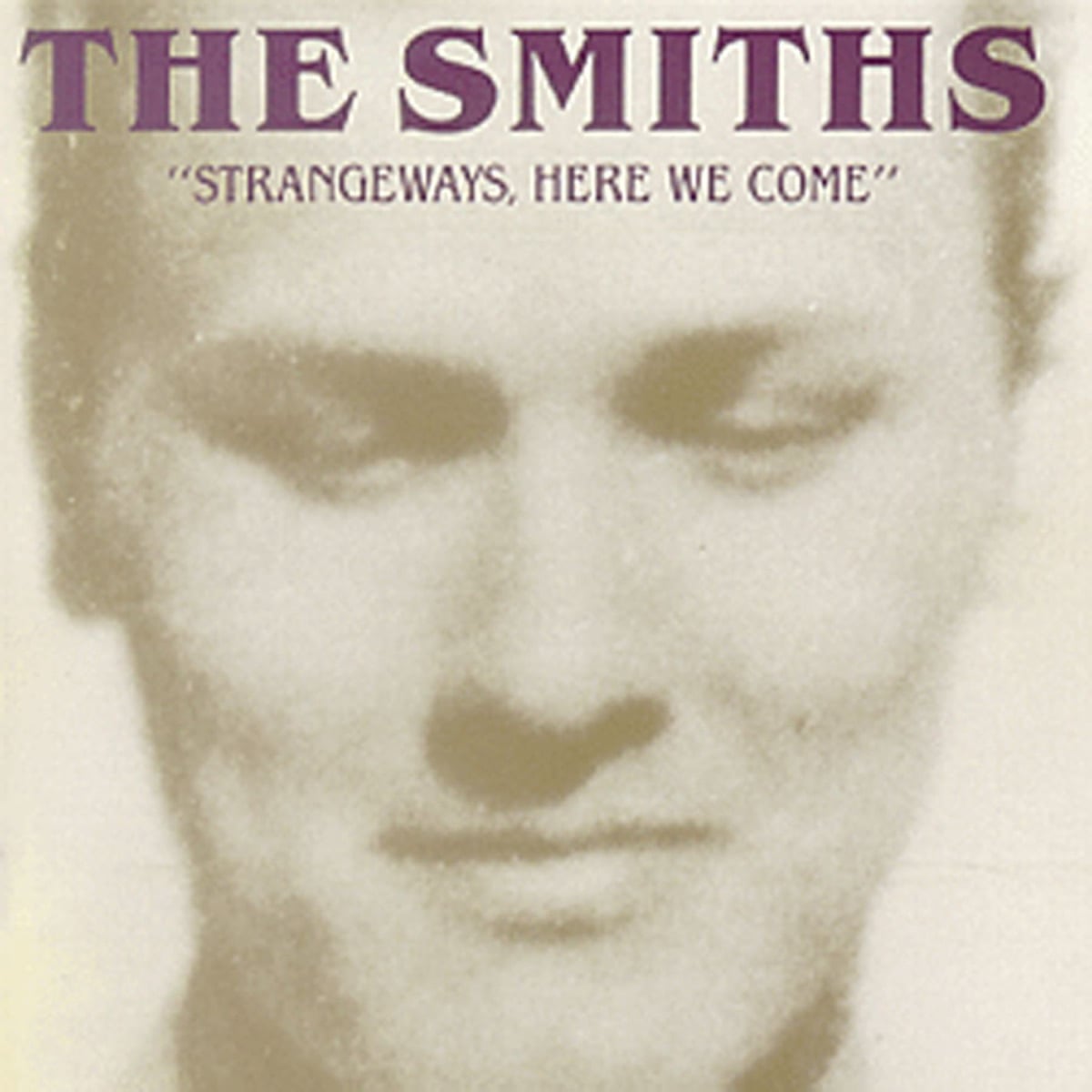
Release Date: September 1987 | Producer: Johnny Marr, Morrissey, and Stephen Street | Label: Rough Trade
No other band since The Beatles had unleashed such a whirlwind of prolificacy onto the UK charts; across barely three years, The Smiths counted three albums and a plethora of single smashes under their belt before screeching to a halt in dramatic fashion.
Dropped in 1987 amid inner turmoil and strained relations between guitarist Johnny Marr and crooner Morrissey, fatigue with their ‘jangle’ indie tag birthed Strangeways, Here We Come’s adventurous palette, delivering a sound that pointed toward a much more ambitious creative road ahead. However, it wasn’t to be, and Marr left The Smiths after the album sessions before their fourth LP was even out, but both he and Morrissey have highlighted Strangeways, Here We Come as their finest work together.
Simon & Garfunkel – ‘Bridge Over Troubled Water’
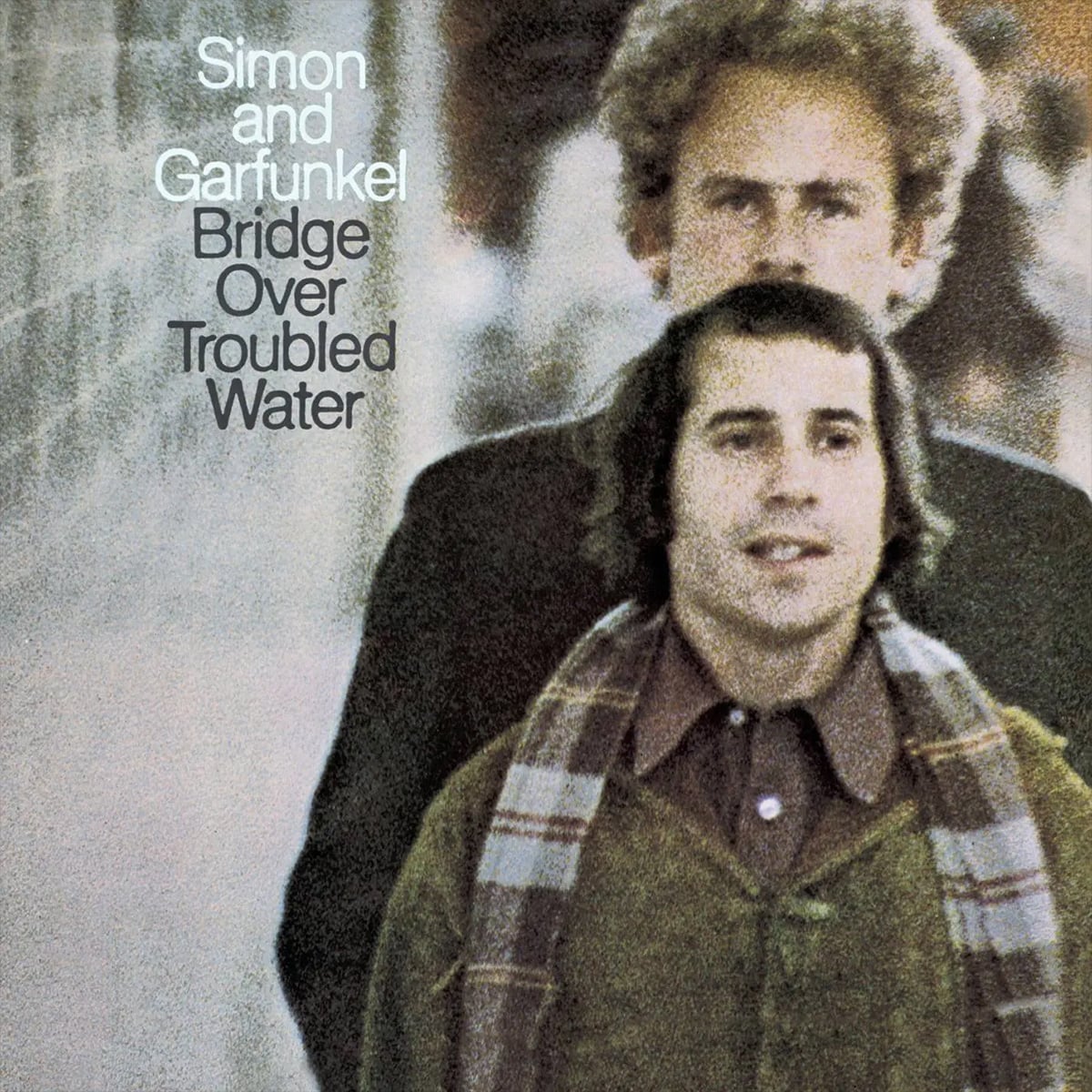
Release Date: January 1970 | Producer: Paul Simon, Art Garfunkel, and Roy Halee | Label: Columbia
Having already chartered a winning but confounding course through the 1960s and emerging as one of the leading forces in folk rock, a strange Anglophile quality shone all over Simon & Garfunkel’s stirring songbook, despite hailing from New York’s Queens, and the pair eschewed the surrounding psychedelic trends in favour of delicate gospel pop pieces and rousing balladry just as the roots rock wave threw another stylistic curveball onto the charts.
But solid songwriting and Art Garfunkel’s angelic voice see them waltz into the new decade at the top of their game. Released as their fifth and final album, 1970’s Bridge Over Troubled Water would boast ‘The Boxer’ and the immortal title track and see the duo off on an unprecedented commercial and critical peak. Various spats would surround infrequent reunion shows, but the childhood frenemies would never see any studio material come to fruition ever again, try as they might.
Black Sabbath – ’13’
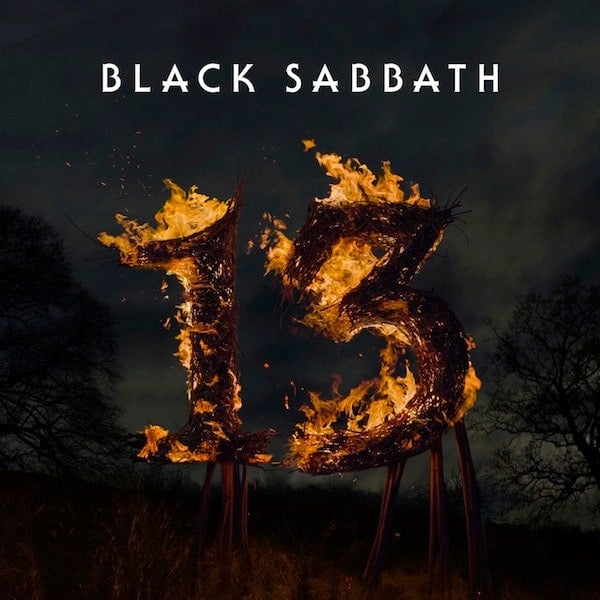
Release Date: June 2013 | Producer: Rick Rubin | Label: Vertigo
No heavy metal fan would ever, ever dispute who Black Sabbath’s frontman was, and while Guitarist Tony Iommi had soldiered on with varying success for a solid near two decades with different singers, from Ronnie James Dio’s ‘ Silver Age’ to the forgettable nadir of the Tony Martin era, Ozzy Osbourne was in a vastly different cultural standing by the time of Sabbath’s last album. Wearing his ‘Prince of Darkness’ crown with authority after going it solo for the 1980s and beyond, starring in MTV’s The Osbournes reality, puncturing the rock and roll mystique, images of Ozzy, confused by his TV remote control, were largely ingrained in the public impression over his lauded metal pioneering.
The news couldn’t have been more welcome when it was revealed that Ozzy, Iommi, and bassist Geezer Butler had joined forces with Zen producer Rock Rubin to cut their true farewell LP. Released in 2013, 13 managed to bottle the same dark magic that hovered over their heyday and shooed away Ozzy’s cuddly reality persona, placing a fitting bookend on their recording tenure and cementing their status as heavy metal’s last word.
Sex Pistols – ‘Never Mind the Bollocks, Here’s the Sex Pistols’
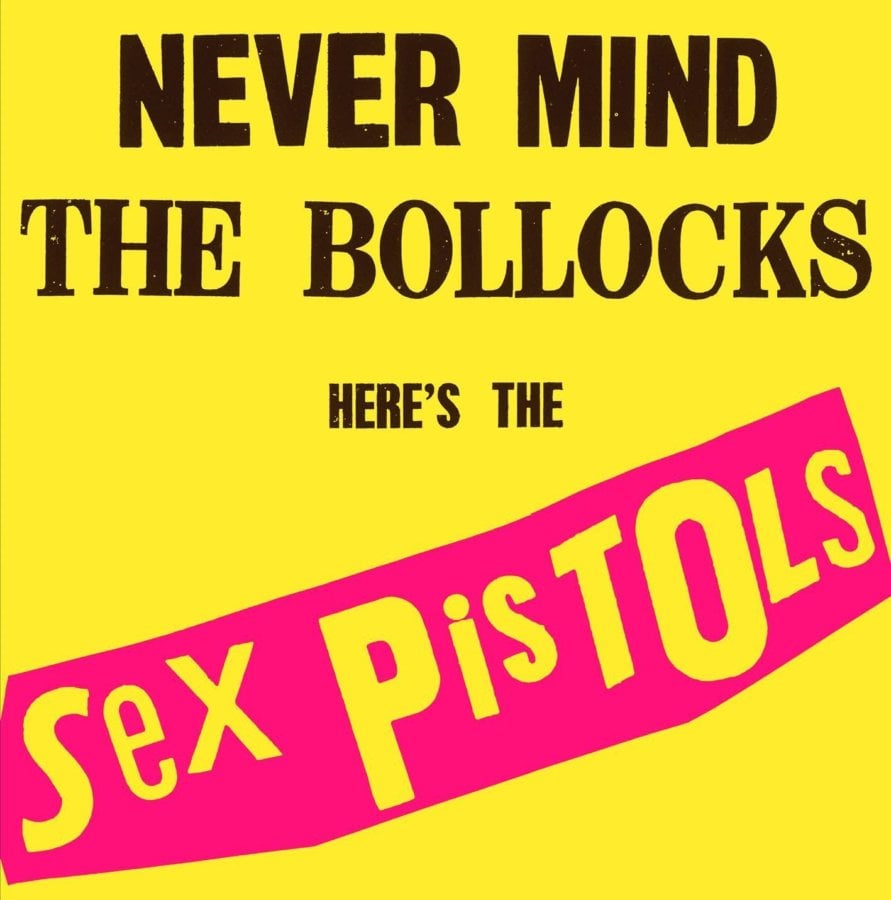
Release Date: October 1977 | Producer: Chris Thomas and Bill Price | Label: Virgin
The anticipation had reached a fever pitch in the run-up to the Sex Pistols’ debut LP, as across the previous year or so, ‘Anarchy in the UK’ and ‘God Save The Queen’ all scored the day’s social malaise to thrilling effect, and establishment knickers were truly twisted by the London quartet’s insurrectionary racket. After the Today show swears and ‘The Filth and the Fury’ tabloid horror, UK punk was finally gifted its totemic LP offering late 1977 with Never Mind the Bollocks, Here’s the Sex Pistols. Packaged with Jamie Reid’s arresting cut-out cover, the album more than matched their incendiary singles, a record charged with snarling belligerence and youth seethe aimed squarely at political failure and a rock scene long drifted off to self-parody.
Bursting with such ephemeral urgency, it’s hard to imagine the Sex Pistols ever attempting to follow up such a cultural meteorite, and they never tried. Sid Vicious picked up the bass after Glen Matlock’s departure and brought with him a veer toward ugly nihilism, and mere months after their debut’s release, an ill-fated tour of the US imploded to the band’s dissolution. The rest would lark about on The Great Rock ‘n’ Roll Swindle caper while frontman John Lydon would kickstart his Public Image Ltd project, but no amount of future reunions would ever tempt the Pistols back to the studio, maintaining the enduring flame of their sole LP’s burning impact.
