


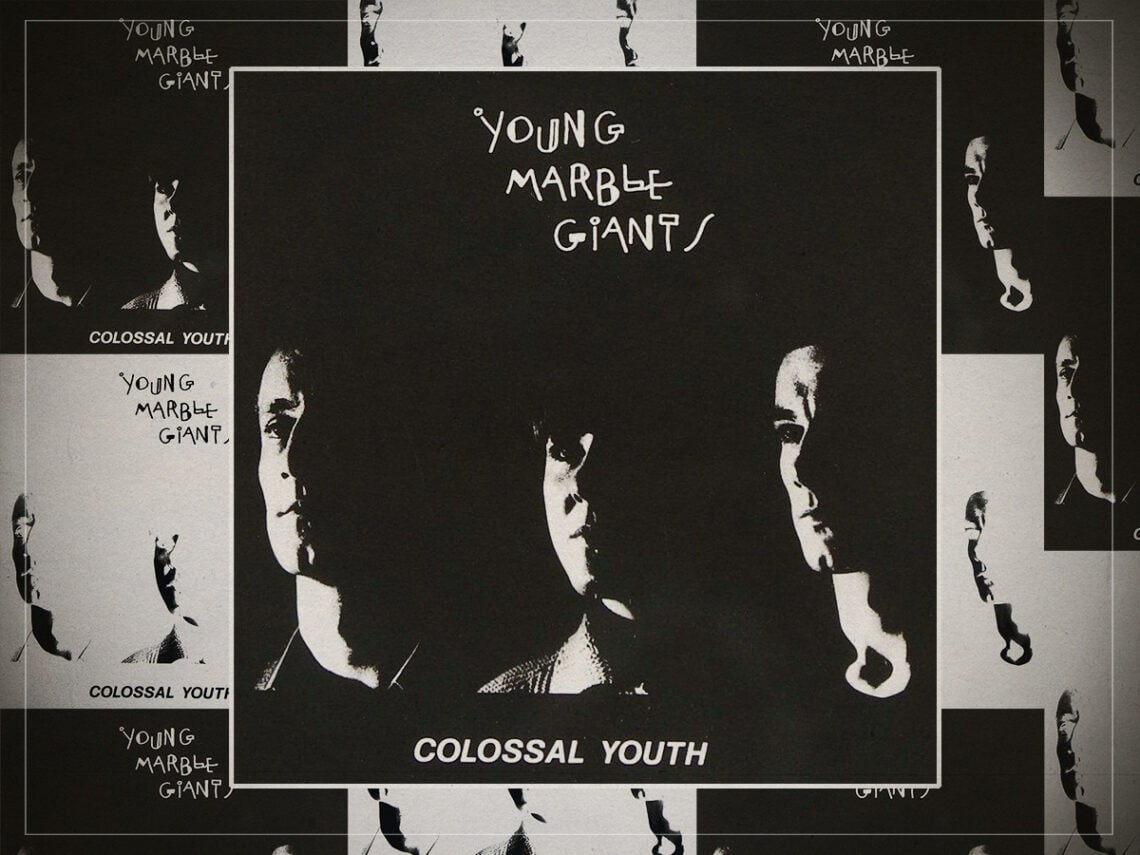
‘Colossal Youth’: The greatest one-album wonder in history

During post-punk’s peak, one band from Cardiff managed to gift the movement with one of its most defining yet atypical records. Dropped in February 1980, Young Marble Giants’ Colossal Youth landed in the new wave underground with a beguiling sonic meld of brittle, fidgety minimalism and nocturnal expanse, sharing austere proximity to the likes of Joy Division or Seventeen Seconds era The Cure but eschewing alienation and dread for pensive wanders across existential daydreams in late 1970s south Wales.
The seeds of Young Marble Giants were rooted in brothers Philip and Stuart Moxham’s DIY recordings with their cousin Peter Joyce’s homemade electronics, managing to craft a crude but effective drum machine. Rehearsing in an old shop space in Adams Down, a combined love of King Tubby dub heard in the city’s Casablanca club and Tiger Bay docks area coupled with punk’s urgent crackle and the pleasingly limited peripheries of the band set up quickly found the ideal singer in Alison Statton, offering a perfectly understated and unassumingly serene voice that fronted Philip’s wired Rickenbacker bass and Stuart’s pared-down guitar strum.
Soon, Young Marble Giants’ uniquely enchanting take on post-punk found its way to the studio. Rather than beefing up their sparse sound, the trio kept the cuts as is, contributing to the Cardiff underground label Z Block Records’ Is the War Over? compilation in October 1979 and attracting the attention of the up-and-coming indie labels in London.
“I don’t think there was ever a plan from anyone to kind of flesh them out,” Statton revealed on Heads on Sticks Chats in 2023, reflecting on their DIY takes’ simplistic charm and its unifying power. “I think we were looking for a sound that was spacious. And I mean, we were all into different music, but we also all enjoyed similar music as well.”
Off the back of the strength of the comp’s ‘Searching for Mr Right’ and ‘Ode to Booker T’, the nascent Rough Trade Records signed Young Marble Giants and sent them to Llanfair Caereinion’s Foel Studios with engineering help from former Hawkwind and Amon Düül II psychonaut Dave Anderson to cut their debut album. Knowing little of the production process and having already leaned into their skeletal styles, the sessions embraced an artfully amateurish approach, featuring scant overdubs and even their famed drum machine recorded off a cassette player playing beats captured during rehearsals.
Recorded in five days and each track mixed in around 20 minutes, Colossal Youth—titled after the ancient Greek Kouroi statues that inspired Young Marble Giants’ name—struck the post-punk and new wave world with its taut yet atmospheric ambles, an engrossing record that radiates subtle disquiet energy around its muted grooves and light-in-the-dark guitar licks. While Stuart wrote the guts of the record, it’s Statton’s effortless vocals that tie the whole minimalist affair together, offering a cooly nonchalant singing style that never veers off into aloof or remote disconnect but is forever guided by a breezy warmth in perfect tandem with the songs’ arid yet evocative aura.
The Final Day and Testcard EPs would follow before Young Marble Giants disbanded in 1981. Stuart would score an indie hit with ‘Love at First Sight’ as The Gist and release a string of solo efforts, and Statton formed the jazzy Weekend outfit before collaborations with Ludus’ Ian Devine and old Z Block founder Spike Williams. Routinely praised as one of the 1980s’ finest albums and famously featured in Kurt Cobain‘s ‘Top 50 Albums’ diary entry, Colossal Youth sits in the UK post-punk canon with majestic perfection, still charged with an alluring and absorbing energy undimmed even 45 years later.
