


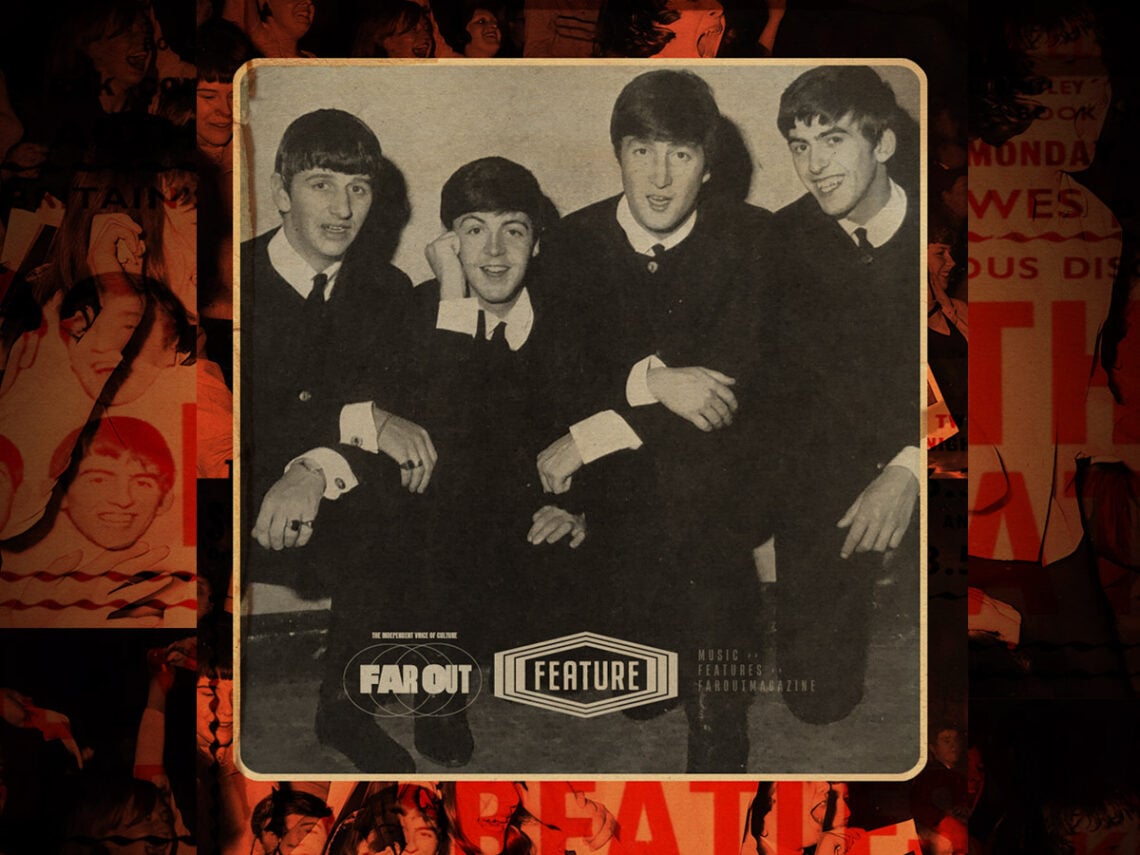
Your screaming teenaged granny actually saved The Beatles

If we presume that the average age of the most devoted, swooning, semi-crazed Beatlemaniac was about 13 in 1964, then they would be walking our streets today as 75-year-olds; stable-seeming pensioners, kindly grannies.
Some of them will surely be shaking their heads at the foul language in modern music, or wondering why there have to be so many drag queens on celebrity cooking and dancing programmes. But once upon a time, they were wayward teens consumed with an insatiable lust—for sex, or maybe blood—that caused them to scream like an abandoned tea kettle at the very thought of John, Paul, George, or Ringo being in the same 50-mile radius of their own comparatively dull and grey reality.
Beatlemania, when it first began, was merely a direct reaction to an experience; young people reflecting back the same energy and enthusiasm they were seeing on stage from one of the most talented and seasoned young rock ‘n’ roll bands on the planet. It happened organically in Liverpool and in Hamburg, but as that energy was reported on in newspapers and magazines and through word of mouth, something strange happened.
A seed was planted, and a sort of blueprint for a shared behaviour spread through the culture virally, not unlike the way thousands of kids went to see the Minecraft Movie last year with the pre-determined intent of destroying the cinema. The film wasn’t the draw; the experience was.
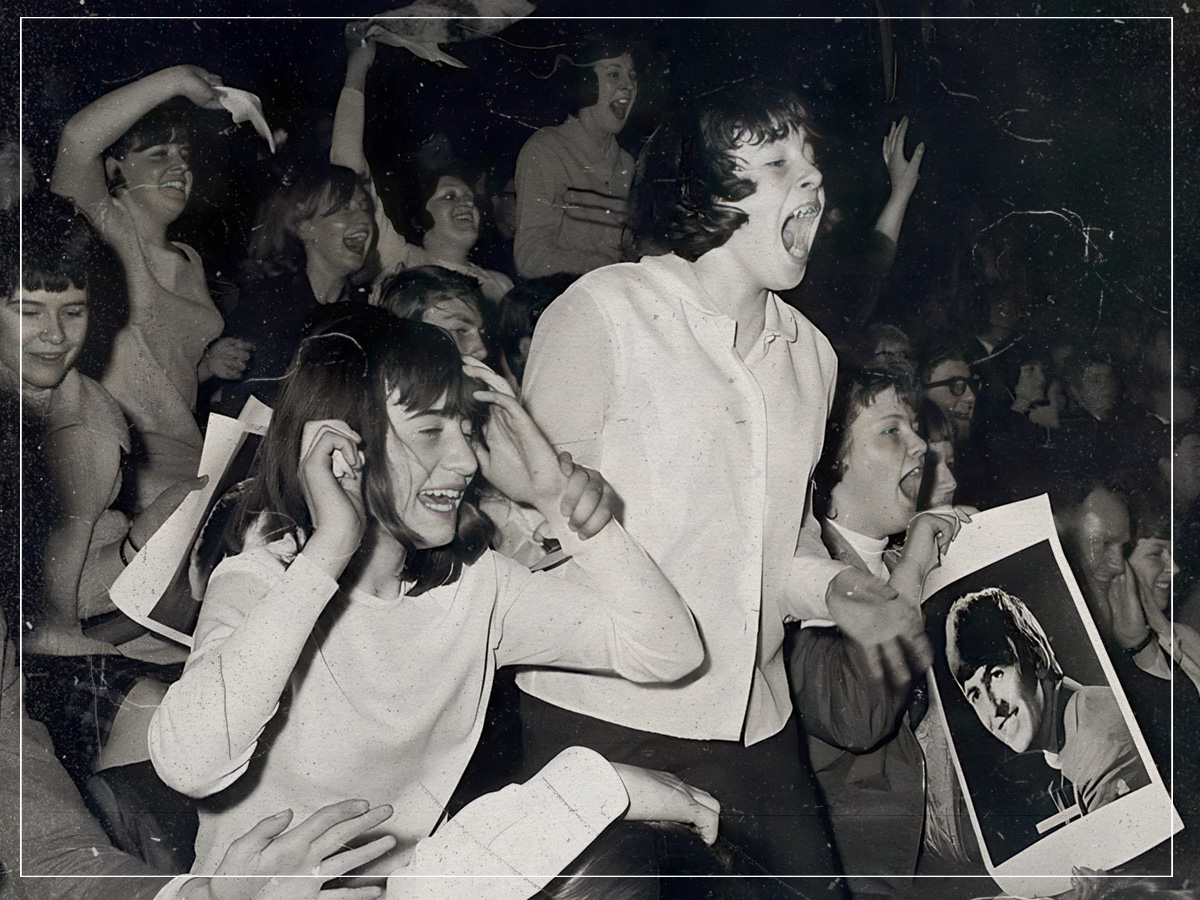
Just the same, the “craze” of Beatlemania, in small towns thousands of miles from Liverpool, was as intoxicating as the Fab Four themselves. Young girls, and some boys, too, saw how this odd mutation of fandom had created a new excuse, or acceptability, for a type of behaviour that would have otherwise had them sent to detention or, worse yet, sectioned. Teens with raging hormones and no intellectual capacity for dealing with them were presented with a “Get Out of Jail Free” card to pursue the instincts and feelings that their parents and teachers were actively discouraging.
For a while, the Beatles benefitted from it all, too. No band has ever generated as much free press, and it immediately forced sceptics to take their music seriously, if only for a moment, to see what could possibly be causing this level of fuss.
As the story goes, of course, Beatlemania did not remain the Beatles’ friend for long. The screaming virus that had spread across the Atlantic didn’t let up when the music started, and within a year, it had managed to end the touring career of one of the world’s best live bands.
“In Germany, we played eight hours a night,” John Lennon once said on an American talk show, fondly recalling the focus and physical toll it took to “keep them Germans happy” in a small nightclub. By 1965, in stark contrast, “we’re the biggest thing,” Lennon said. “Everybody’s screaming; nobody hears the music; we lose interest in the music.”
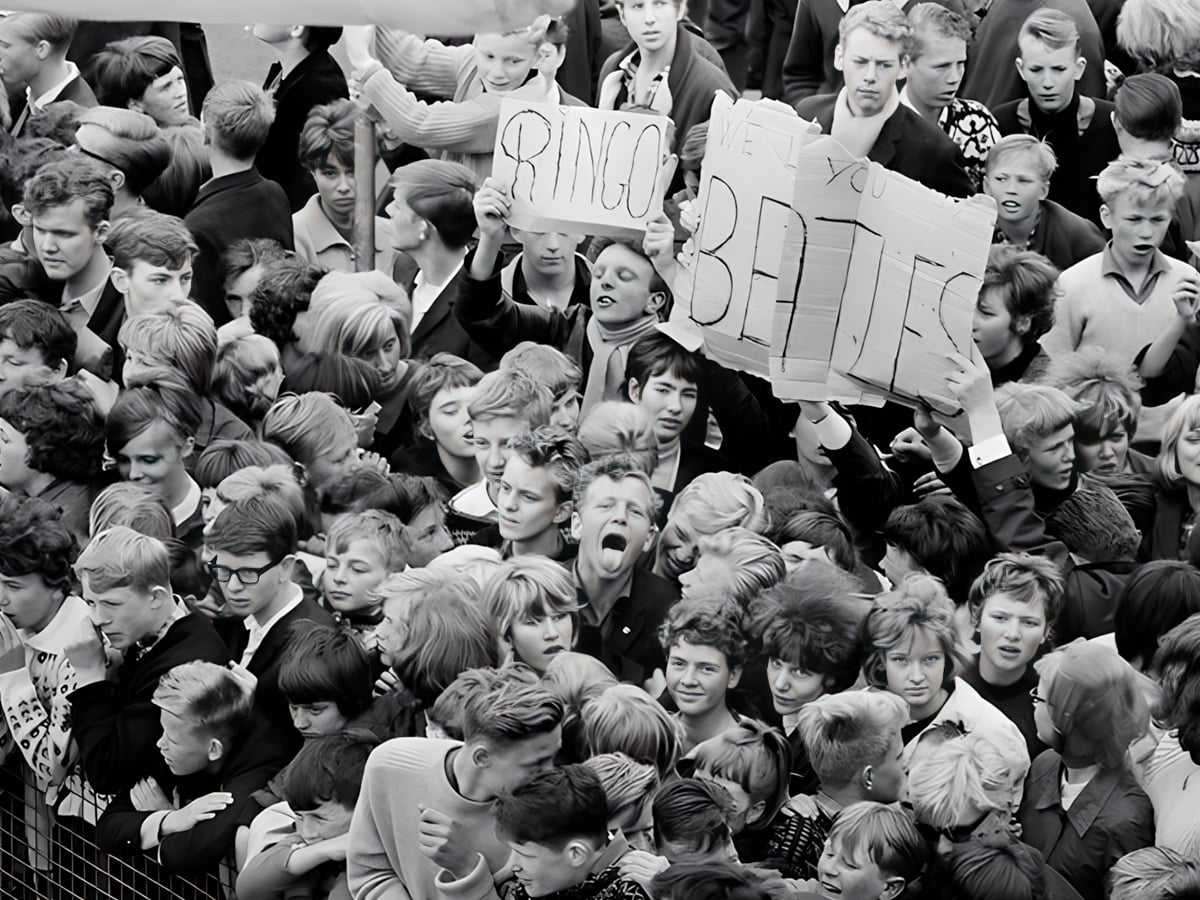
Had the Beatles been a boy band, in the modern sense of the term, they might well have carried on playing noise into a sea of screams for another few years, until the mania wore off. As serious musicians, though, they were increasingly frustrated by the situation, and basically had no choice but to retreat from touring.
That’s usually seen as one of the sadder chapters in the Beatles’ story—the death of a great live band. At the same time, though, as Lennon came to appreciate, “In one way it was good, because we went into the recording scene and really sort of expressed ourselves through the records then, because we could no longer do it outside.”
The consequence of that evolution, of course, was some of the greatest and most influential rock ‘n’ roll albums of all-time, all recorded over just the next few years after their last US stadium tour. It wasn’t merely necessity being the mother of invention. The Beatles were a great live band that didn’t yet know they were an even greater studio band.
The whole world might have missed out on that same realisation if today’s 75-year-olds weren’t overtaken by the spirits of shrieking, horny banshees for a couple of years in their youth. The screaming girls of Beatlemania, so often ridiculed in their own time and bemoaned later as the death knell of the “live” Beatles, were directly responsible for the band having the deeper significance and reverence it has today, as something far more than just a good rock ‘n’ roll group.

Never Miss A Beat
The Far Out Beatles Newsletter
All the latest stories about The Beatles from the independent voice of culture.
Straight to your inbox.