


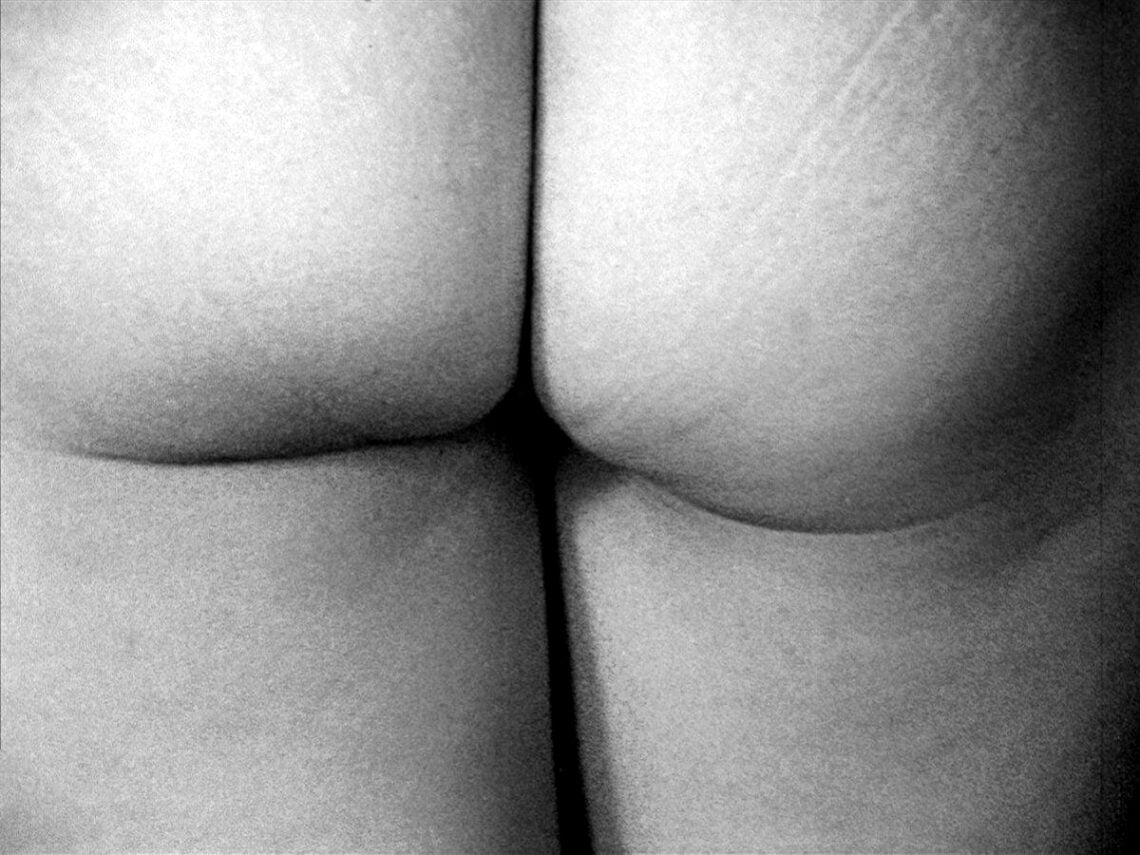
‘Bottoms’ by Yoko Ono: “the most meaningful meaningless film”

For decades, Yoko Ono has been scrutinised by the media, often receiving the blame for The Beatles’ breakup following her marriage to John Lennon. Moreover, her experimental art has been widely criticised, mainly by the British press, which inspired the couple to settle down in New York away from the prying eyes of tabloid journalists. However, the artist refused to capitulate to the insults thrown her way, much of which stemmed from overt racism and sexism.
Instead, Ono has continued to create the avant-garde art she’s always expressed a passion for. The artist moved to New York from her native Tokyo in the 1950s before involving herself in the downtown scene in the early 1960s. She joined the Fluxus group of artists, an interdisciplinary community that emphasised the importance of the creative process rather than the finished product.
During the ’60s, Ono established herself as a pioneering conceptual and performance artist, confronting themes of gender, race and class through her work. Ono’s seminal performance, Cut Piece 1964, in which she instructed audience members to cut her clothing off as she sat silently, cemented the artist as a controversial yet pioneering figure in the art world. That same year, Ono began making experimental short films, receiving particular attention for her 1966 piece No.4 or Bottoms.
The five-and-half-minute film consists of close-up shots of 15 human buttocks belonging to both men and women. They were filmed walking on a concealed treadmill, with the whole piece forcing the viewer to watch nothing but the movements of flesh. Inspired by the motion studies of Victorian pioneer Eadweard Muybridge, Ono’s film was radical in its form and content. Discussing the intentions behind it, she explained: “This film, in fact, is like an aimless petition signed by people with their anuses. Next time we wish to make an appeal, we should send this film as the signature list.”
The film features the backsides of artists such as Bici Hendricks, Geoffrey Hendricks, Ben Patterson, Jeff Perkins, Susan Poland, Jerry Sablo, Carolee Schneeman and Ono herself. The film was shot over two days at Ono’s apartment at 1 West 100th Street in New York, with the artist filming over two hours’ worth of footage on 16mm film.
However, soon after, Ono turned her short film into an 80-minute feature, which included even more bottoms and took her hours to edit. She added a soundtrack, which consisted of Ono discussing the meaning of the film and audio excerpts from news coverage about the controversial piece. She refers to the people in the film as “saints of our time” who helped to show that the 1960s were “not only the age of achievements, but of laughter”. She also declares Bottoms “the most meaningless meaningful film”.
The BBFC quickly banned the film, deeming it “not suitable for public exhibition”. She handed out daffodils to reporters as she staged a peaceful protest outside of their headquarters, holding up images from the film with text that asked, “What’s wrong with this picture?” Ono told the reporters, “The whole idea of the film is one of peace. It’s quite harmless. It is not in the least bit dirty or kinky. There’s no murder or violence”. Eventually, the film was granted an X rating and screened in selected cinemas.
According to Ono, “I found out much later that they [her avante-garde colleagues] were even giggling behind the iron curtain. No wonder my artistic friends dropped me. It was a total antithesis to Art per se. But actually I was the ultimate snob. I was going ‘Up Yours!’ to the whole world including the avant-garde. It was a great high but also a lonely one.”
Check out an excerpt of the film below.
