


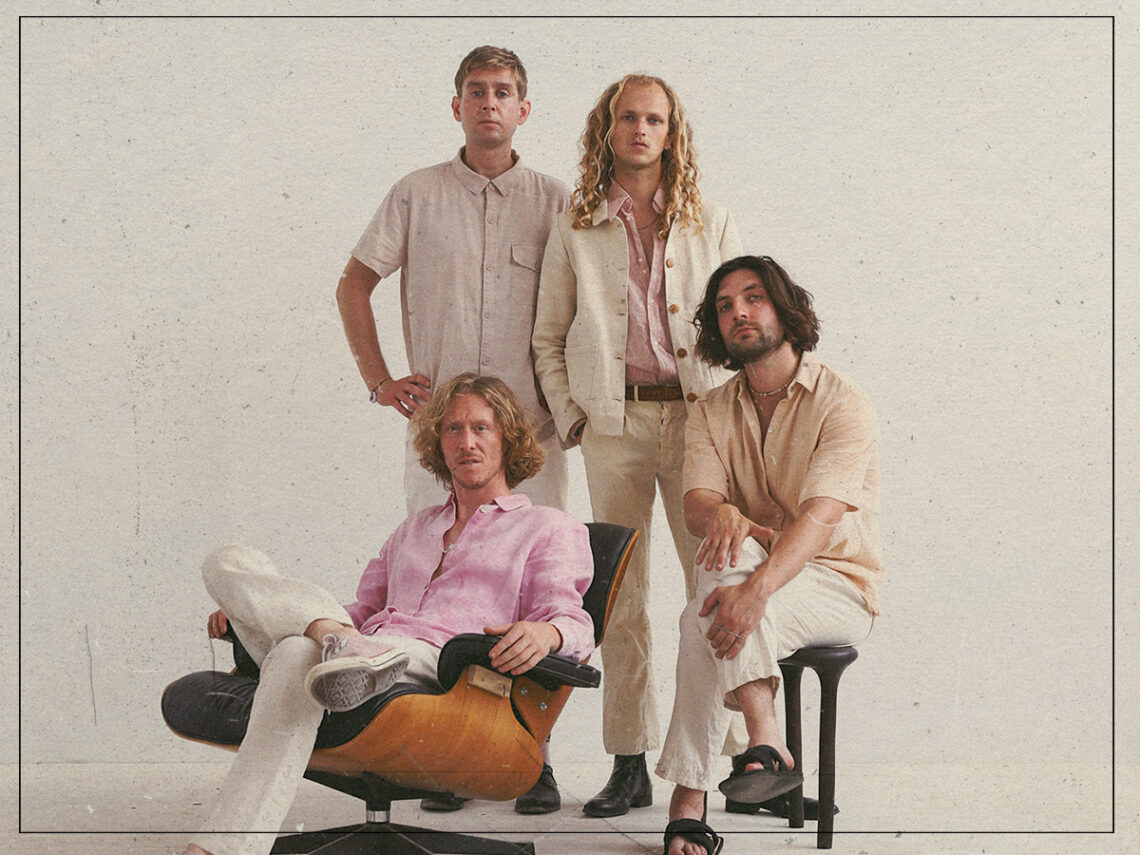
YĪN YĪN recommend their favourite Japanese alternative albums

Tokyo, Japan, 196-something: Kenji Endo is slumbering in his student room, casually listening to the sound of American rock ‘n’ roll, which has now become commonplace on Japanese radio since the days of post-World War II occupation. Only this time, the half an ear he is lending it is suddenly perked up by the sound of Bob Dylan’s counterculture masterpiece, ‘Like a Rolling Stone’. It rudely snaps him out of his slumber, and he wonders to himself whether this tripe can even be considered music at all. He attempts to turn off the radio.
By the time of Endo’s third listen, he is rushing off to inform his friends of Dylan’s brilliance. “This guy is creating something that has never been created before,” he proclaims to his roommate. This sense of creative experimentation has always been in the lifeblood of Japanese art, but now the floodgates are open.
A few years prior to Endo’s discovery, Nobuyoshi Araki was undergoing a similar awakening while he was attending film and photography school at Chiba University in 1959. Japan was undergoing a tempestuous period of radical change at the time. Stationed between the old ways and the new, students began to partake in the historical Anpo Protests as the left tried to sway a more neutral path for Japan in the ensuing Cold War, embracing the liberation of the West but with their own identity to uphold the same daring individualism that nearly prompted Endo to turn off the radio when he first heard Dylan.
This movement had already been forecast in 1954 when Azuma Kabuki Musicians released their ridiculously titled album H.I.H. Prince Takamatsu and the Japanese Ministry of Foreign Affairs Present The Azuma Kabuki Musicians during a trip to the USA. In the process, this highly experimental album helped to plant the seed for the psychedelia to come. Since that moment, this sense of defiant individualism paired with a traditional catchiness has been ever-present in Japanese music.
Now, bands like YĪN YĪN have decided to tap into it. The quartet are actually Dutch, but they have cooked up a decidedly Japanese psychedelic-sounding record at their studio in the Belgian countryside with the new album, Mount Matsu. Groovy in the extreme, this smorgasbord of eclectic sounds feels like whizzing around downtown Tokyo on a Vespa on a sunny day for the thrill of it.
They’ll also be touring this catchy pentatonic globetrot extensively in the coming weeks and months. Their sound is a hive of invigorating jams that’s sure to shine a few rays your way. So, with all that funkiness in mind, we decided to hit them up and ask them to recommend their favourite Japanese deep-cuts.
YĪN YĪN favourite Japanese albums:
Osamu Kitajima – Masterless Samurai
YĪN YĪN: “An amazing album from this epic multi-instrumentalist and craftsmen. You almost can’t describe what’s going on in some tracks. This is progressive rock, jazz and global groove on a whole new level! This man made many great albums (some with legend Haruomi Hosono). Benzaiten is his debut and also a great piece of art!”
Koto Ensemble of the Ikuta School – Koto Ensemble of the Ikuta School
YĪN YĪN: “Highly skilled musical storytellers with a more traditional approach. With five Kotos, Hoteki, Shamizen and Shakuhachi, these master musicians create a stunning landscape of beautiful Japanese colours and shapes. What is very special are the organic transitions in tempo and different ‘scenes’ which transport you into your own mystical movie.”
Hideo Shiraki & 3 Koto Girls – Sakura Sakura
YĪN YĪN: “Tasteful blend of groovy ‘60’s jazz with the Japanese flavour of Kotos. It definitely has a few very authentic tracks on there that are proof that Asian and European sounds are an exciting blend.”
Takeshi Terauchi – Eleki Bushi 66-74
YĪN YĪN: “One of the first surf guitarists from Japan with fat vintage sound. Our guitarist, Eric, is definitely a big fan. Tarantino-esque licks and flavours of a cool Japanese gangster movies abound.”
Piper – Summer Breeze
YĪN YĪN: “Excellent city pop album from the ‘80s. But really, you can’t get more ’80s city pop than this. These guys were influenced by the funk and boogie from the USA and gave their own spin to it. Instant holiday vibes. The sweetest sentimental harmonies go down like candy, and the groove makes you lean back and bounce. Oh, we love it!”
