


Writer of ‘The Truman Show’ reveals darker original ending

Andrew Niccol, the screenwriter of Peter Weir’s 1998 hit, The Truman Show, has revealed the movie’s original ending.
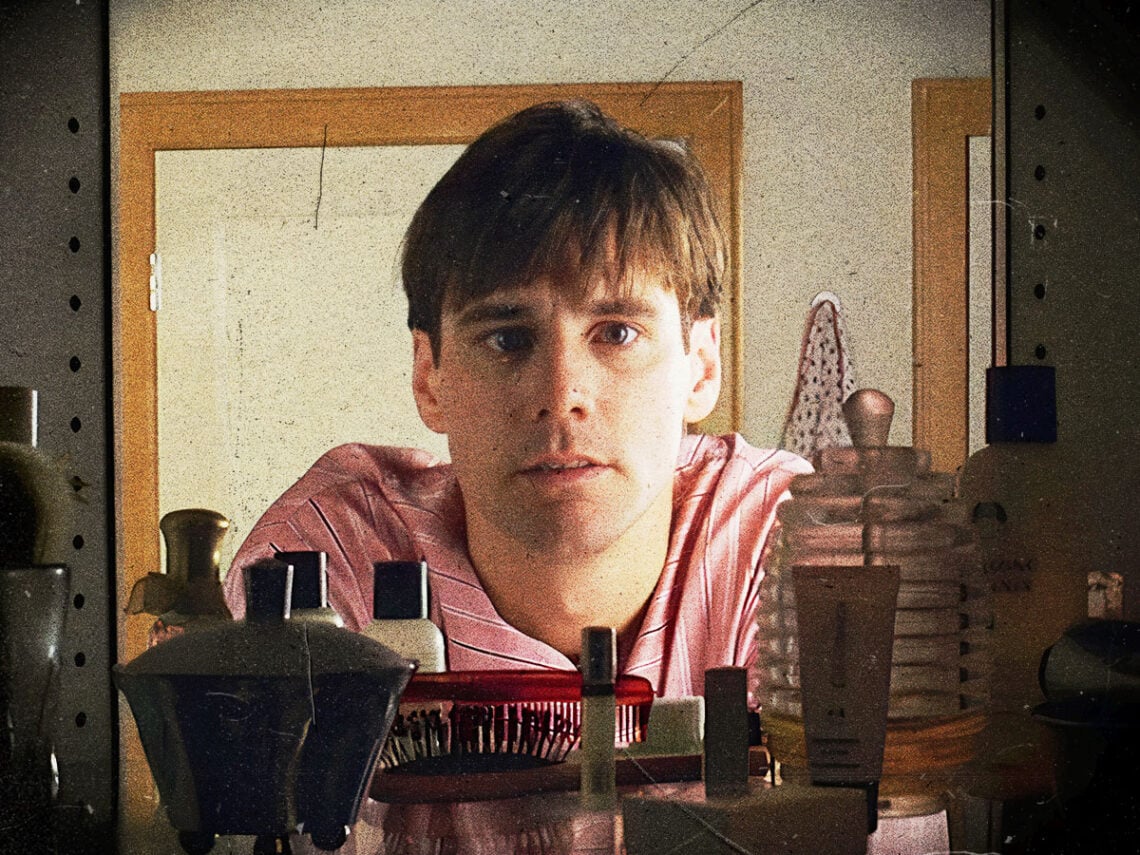
In the 1998 movie, Jim Carrey plays Truman Burbank, a man who grows up living a seemingly ordinary life, which, unbeknownst to him, is actually taking place on an expansive set, with his life a television show broadcast to millions of viewers.
In a new interview to coincide with the film’s 25th anniversary, Niccol sat down with The Hollywood Reporter, and revealed that Carrey had ad-libbed his most famous line, and that the story was originally set in a large city, and not on Seahaven Island, the show’s set inside an enormous dome. Niccol also explained how the initial script was much darker than what ensued.
“I did envisage something darker,” Niccol told the publication. “In the original script, there was an innocent passenger attacked on the subway as a way to test Truman’s courage, and Truman had a platonic relationship with a prostitute who he dressed as Sylvia.”
Notably, Slyvia is played by Natascha McElhone, a background character who goes off-script and pushes Truman to realise his true self. Niccol explained that the moonlit beach dates between Slyvia and Truman nearly didn’t happen, as director Peter Weir changed the setting from his original draft entirely.
“I always thought the premise was bullet-proof, and even though the original draft is set in an alternate version of New York City — if you can fake it there, you can fake it anywhere — I was happy to embrace Peter’s more idyllic, small-town take on a counterfeit world,” he continued. Niccol also said that Carrey “originally ad-libbed”, his character’s famous line: “Good morning! And if I don’t see you, good afternoon, good evening and good night.”
The ending of The Truman Show sees Truman leave his fictional world for the real one; however, this almost didn’t happen either. “There was a lot of debate about how the mechanics of the set worked,” Niccol said. “There was even a version where we followed Truman through the sky, and he encountered a studio tour and a souvenir store all devoted to him. In the end, Peter made the right decision to end it when he left the set.”

Never Miss A Scene
The Far Out Film Newsletter
All the latest film news from the independent voice of culture.
Straight to your inbox.