


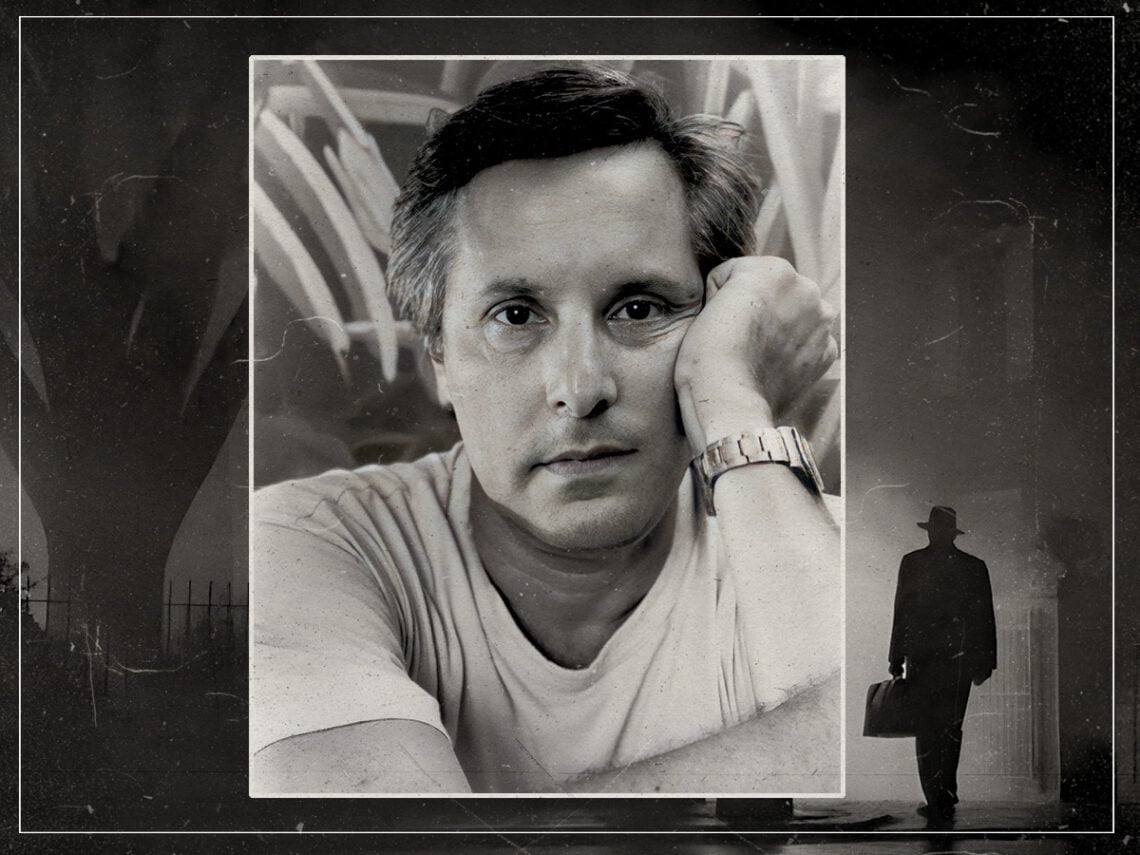
William Friedkin on the movie that every film is indebted to

Most directors would probably prefer to be remembered for their most revered work, but when it comes to William Friedkin, that would be a missed opportunity. Sure, he had a lot to be proud of, whether it was his explosive fifth film, The French Connection, the genre-defining cultural phenomenon of The Exorcist, or the fact that, despite a field crowded with the likes of Francis Ford Coppola, Martin Scorsese, and Robert Altman, he is still considered one of the defining filmmakers of the New Hollywood movement of the 1970s. But the beginning of his career offered precisely zero hints of the gritty, nail-biting, and occasionally depraved subject matter that would come to define his work.
After a short stint making documentaries, Friedkin’s first feature was 1967’s Good Times, a musical in which Sonny Bono and Cher parody various Hollywood genres of yesteryear. It is a shaggy mess that did no favours for any of their careers, and Friedkin wisely pivoted to something completely different – an adaptation of the Harold Pinter play The Boys on the Boat.
His third movie, The Night They Raided Minsky’s, was yet another digression, a period musical in which an Amish woman runs away from her community and becomes an exotic dancer. Friedkin found the whole process to be more or less hellish and distanced himself from the film before it was even released.
Given this erratic beginning, it’s something of a miracle that the director ever got the opportunity to helm a modern masterpiece like The French Connection, let alone carry it off with such aplomb. But he did, and it won him an Oscar. Ignoring the first part of his career is tempting, but it also misses the opportunity to see him muddling his way toward mastery in real-time.
This confidence to be experimental and take big swings at such an early stage likely stemmed from Friedkin’s life’s most formative film-going experience. At age 25, he watched Orson Welles’s Citizen Kane, and it set him on a new path. “It made me understand that film was an art form and a unique way of storytelling that I had never considered,” he told Roger Ebert in 2014, adding, “That would have been my only education in film. I was anxious to do something without knowing what the hell it was.”
On another occasion, Friedkin went even further, saying, “I think everything in film from this country is marked before Citizen Kane and after, because that film took everything that went before and synthesised all of the discoveries of film technique and it pointed the way to the future. So almost every film owes something to Citizen Kane.”
Welles’s groundbreaking 1941 film features a grab bag of cinematic experimentation. From camera angles to flashbacks to lighting, the 25-year-old filmmaker was throwing techniques and devices at the wall at an almost feverish pace. It is easy to see how a young filmmaker like Friedkin might take inspiration from this approach, and although his early films were, to put it kindly, not Citizen Kane, they do demonstrate the no-holds-barred filmmaking style that would become his calling card.
