


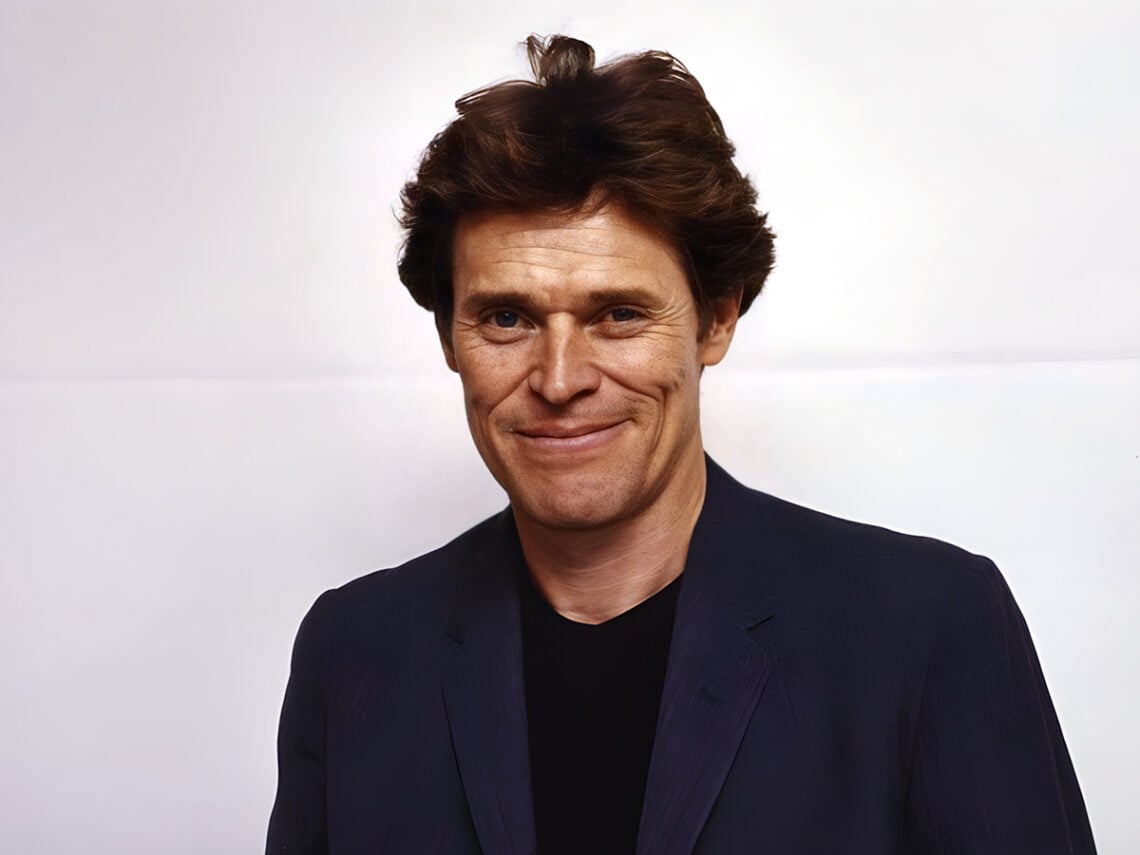
Willem Dafoe names his first cinematic crush: “That’s not an actor, that’s a man”

If you’re an aspiring actor, you could do a lot worse than to idolise Willem Dafoe.
For over 40 years, he’s been at the top of his game, seamlessly guiding from one phase of his career to the next with minimal friction. He’s also a crystalline example of an actor who gets better with age.
It is often the case that as an actor ages out of most of Hollywood’s lead roles, they move into the comparative shadows of the industry. But Dafoe bucks this trend like a bronco with a bee sting. By this rate, he will still be making classic movies with powerful roles as he approaches a century in the business.
Who does the gravel-voiced giant look to for his own inspiration? Dafoe has spoken numerous times about his acting influences, referring journalists to Burt Lancaster’s turn in The Leopard as a pivotal moment in his life. However, when it comes to his first cinematic love, there can be only one. As he explained to W magazine when they asked him to name his “cinematic crush”, he will always have a special place in his heart for Warren Oates.
“When I saw him perform, I thought, that’s not an actor, that’s a man,” he recalled. “It kind of broke my heart to find out he was actually a trained actor.”
A favourite of maverick Western pioneer Sam Peckinpah, Oates starred in the likes of The Wild Bunch and Bring Me the Head of Alfredo Garcia. The cowboy subgenre provided him with a great deal of work, but he knew how to act without the assistance of a Stetson.
An American through and through, perhaps his biggest legacy can be found in New Zealand. His appearance in Sleeping Dogs helped it become the highest-grossing domestically-produced movie in the country’s history and set the stage for a golden age of Kiwi filmmaking.
Oates wasn’t a nobody by any stretch, but he never reached the heights of many of his contemporaries. That, however, was one of his greatest strengths. He had this ability to convince an audience that was an ordinary person, one of the qualities Dafoe admired the most about him. In an industry where ‘star power’ is a valuable currency, he traded on the fact that he didn’t really have any. He was special because there was nothing ostensibly special about him.
As Dafoe explained, Oates was technically a trained actor. He became interested in the wildly implausible theatrical profession while studying at the University of Louisville, before moving to the big bad apple, New York City, to further hone his craft and become one of the most gifted movers of the shaking scene. But he wasn’t a city slicker pretending to be a country boy, far from it. He grew up in a tiny village in Kentucky. What you saw on screen was him living his real life. No faking required.
In many ways, Dafoe is kind of the modern-day Warren Oates. He is a phenomenally versatile performer, as comfortable playing a comic book supervillain as he is a historical figure or an everyday individual in a small drama. He might be a bit more bohemian than his rootin’, tootin’ idol, but his influence on his career is clear for all to see.
