


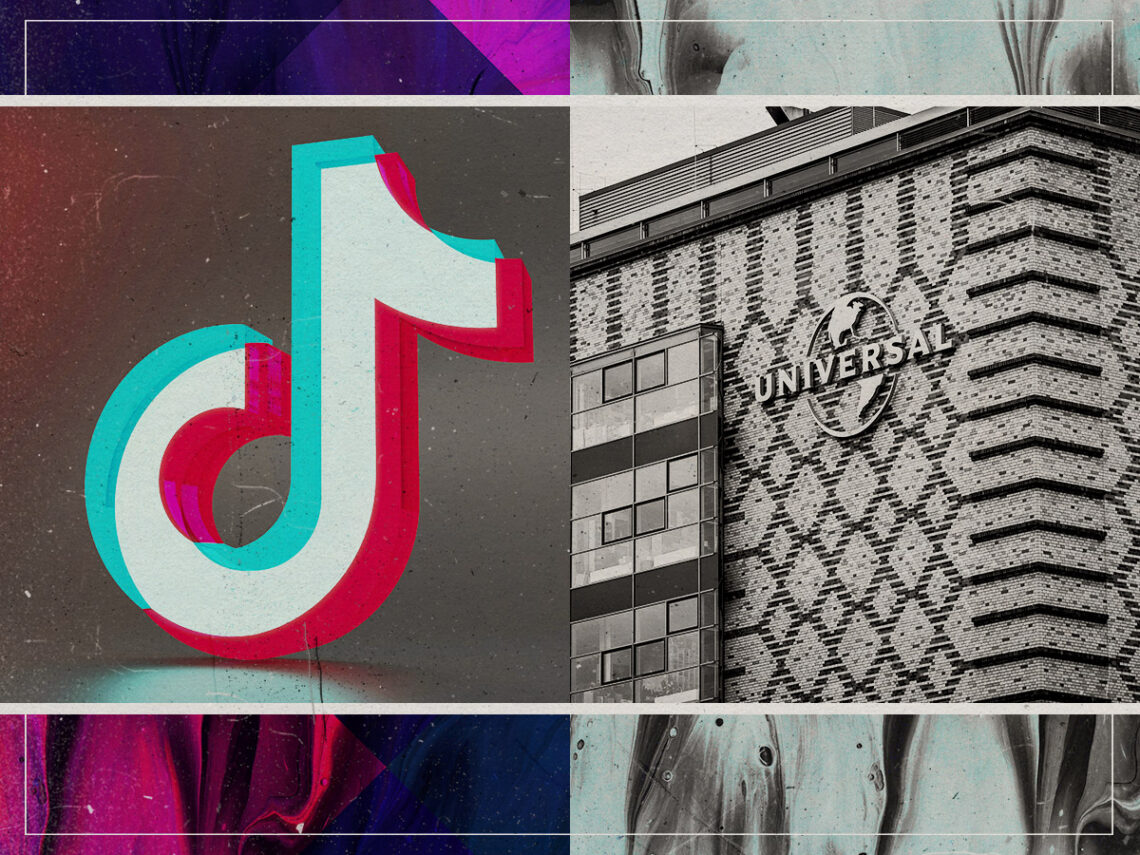
Will Universal’s dispute with TikTok cause a ripple effect?

Since 2020, TikTok has offered a shortcut to success for musicians, and labels have used the platform to procure the next generation of talent. However, this could all change after Universal Music Group removed all of their music from social media platforms, which theoretically could permanently alter the fabric of the industry.
Universal is one of the ‘big three’ major labels alongside Warner and Sony. Subsidiary labels under their umbrella include EMI, Interscope, Island, Capitol, Virgin, Geffen and Def Jam. Meanwhile, artists such as Taylor Swift, Billie Eilish, Drake, Adele, The Weeknd, Bob Dylan, Coldplay and Kendrick Lamar are currently signed to UMG.
In a statement, Universal claimed TikTok is using “its platform power to hurt vulnerable artists”. The label also accused the social media app of attempting to “bully” them into a deal worth “far less than fair market value” and the previous deal they had in place.
Furthermore, they pin-pointed three areas where they sought reassurance, “appropriate compensation for our artists and songwriters, protecting human artists from the harmful effects of AI, and online safety for TikTok’s users”.
TikTok, which boasts a billion worldwide users, claimed this was a “false narrative” from Universal, alleging the record label of placing “their own greed above the interests of their artists and songwriters”.
They added: “TikTok has been able to reach ‘artist-first’ agreements with every other label and publisher. Clearly, Universal’s self-serving actions are not in the best interests of artists, songwriters and fans.”
Notably, TikTok also described itself as a “free promotional and discovery vehicle” for artists and has never attested to being a streaming platform. In fact, it’s impossible to listen to more than a 60-second snippet of a song on the app.

Unlike streaming platforms such as Spotify, TikTok’s primary function is as a marketing tool. While many artists signed to Universal will be breathing a sigh of relief they can focus on music rather than creating content, it has significantly improved the careers of countless acts.
Noah Kahan, who is signed to Universal and has spent the last four weeks at the top of the UK Chart with ‘Stick Season’, initially released the track in 2022, but due to enjoying viral success on TikTok, the song has changed the fortunes of his career.
Ironically, taking to TikTok, Kahan said of Universal’s decision to his 2.2 million followers: “I won’t be able to promote my music on TikTok any more … I’ll probably be OK, right? I’ll probably land on my feet, right? Right?”
While his comments were laced with ironic humour, Kahan, set to begin a sold-out arena tour of the UK this month, wouldn’t be in his current position if it wasn’t for discovering a wider audience on TikTok. In addition to increased ticket sales, his success on TikTok has translated to Spotify, where he now has over 35 million unique monthly listeners.
Ultimately, TikTok is too valuable as a marketing tool for the big labels to ignore. The Universal deal is an anomaly, which will likely be resolved, hence why the platform has successfully agreed artist-first deals with every other label and publisher.
Speaking exclusively to Far Out, Jessica Henig, Founder and CEO of Unlocked Branding and former Head of Influencer Marketing at Universal Music Group, said of the benefits of the platform from a marketing perspective: “TikTok is an incredibly beneficial marketing tool in many ways for artists and record campaigns. It’s used as an A&R platform for discovering new talents and giving a boost to existing artists. It’s an excellent platform for catalogue reemergence and fanbase community. All which ultimately helps to sell tickets for shows, and create more opportunities for the artist.”
While viral engagement leads to success from the record label’s perspective, Henig is aware of the problems arising from algorithms having too much power. She notes: “What ‘works’ in terms of virality doesn’t always indicate a great song or artist, especially when many songs uploaded to the platform are short snippets of the record.”
Henig continued: “Additionally, there are records that aren’t an artist’s proposition; it’s a manipulation of the algorithm, focusing on what’s catchy and grabs people’s attention. This can dilute the overall landscape of the music industry. Attention spans are short, and the pace and trends are so rapid on TikTok that preparation beforehand lies with the artist and the team to capitalise on the moment, both inside and outside of the platform.”

If Universal Music Group sticks to its guns, its decision to remove music from TikTok could benefit the welfare of artists, who have been slaves to the algorithm for too long. However, the likely reality is that their grievances are purely financial, and they believe TikTok needs them more than vice versa.
Unlike Spotify, which Universal Music Group partially owns, the conglomerate doesn’t own a stake in TikTok. If they duly cared about how much money artists received from their art, they could use their voice and influence to complain about Spotify only paying between $0.003 to $0.005 per stream. However, that issue doesn’t seem to be in their interest.
Admittedly, on the surface level, pay does need to improve on TikTok, but that’s an industry-wide problem that needs to be resolved. However, artists earn more money from TikTok than from the platform alone. It opens doors for artists, which leads to other revenue streams such as ticket sales and streaming.
It’s not a perfect model, and it’s fair to claim their algorithm is detrimental to the quality of pop music as artists prioritise going viral over everything else. Yet it speaks volumes that no other major label has followed Universal’s stance, as they are acutely aware that it provides unrivalled access to a global market.
The dispute between Universal and TikTok will not lead to a situation similar to last year’s Hollywood strikes. Rather than being a union-led fightback against the machine, this is one multi-national company worth billions of dollars seeking a more financially robust deal as they claim TikTok is responsible for “only about 1% of our total revenue”, which they believe to be inadequate rather than artist welfare.
If an agreement isn’t reached in the next few months, the only detriment will be on artists signed to Universal, who may be forced to push back their releases until they can harness the power of TikTok to promote their creations.
The world will keep turning, and songs will still go viral on the platform without Universal’s catalogue. It could also lead to more cases similar to independent Australian band Ocean Alley, whose 2018 track ‘Confidence’ recently spread like wildfire on TikTok. While Universal’s public ploy aimed to harness power, it may have accidentally levelled the playing field.

Never Miss A Beat
The Far Out Music Newsletter
All the latest music news from the independent voice of culture.
Straight to your inbox.