


‘Wide Boy’ and ‘Scum’: the greatest needle drop in British film history

It may seem a cop-out to count a “greatest needle drop” as the end credits begin to roll, but the haunting and tender folk ballad that ends 1977’s Scum feels more than just a closing theme, but a heartfelt coda imploring humanity within the context of the film’s cruel, institutional oppression.
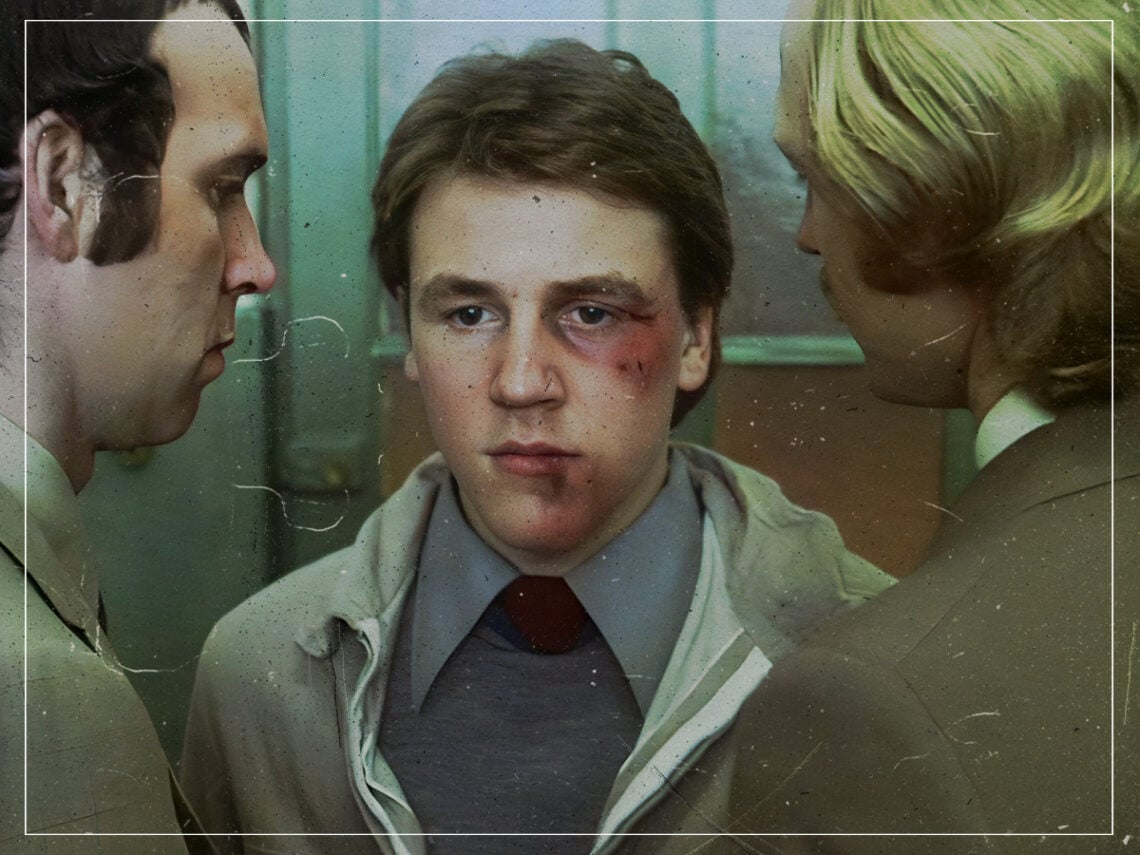
The breakout debut of a then-17-year-old Ray Winstone, Scum details the survival and manoeuvring up the brutal British Borstal system for young offenders by the toughened protagonist Carlin.
Facing sadistic warders and their cynical orchestration of inmate hierarchy, Carlin fights his way to the top of the wing to cement his status as ‘Daddy’, later inspiring a foodhall riot over the suicide of fellow convict Davis, wrought from the trauma of a gang rape—an act of sexual violence witnessed by a smirking guard who does nothing to intervene.
Scum’s examination of the violence masked by authority is cynically illustrated the moment Carlin is first attacked by the wing’s top dogs. Beaten up by the inmates and dehumanised by the warders, the institute’s governor chillingly demands Carlin spend three days in solitary after declaring, “There’s no violence here”. It’s one of the most cutting, serrated lines in the entire film, dripping with cold abuse and venomous hypocrisy, making quite clear that violence is entirely justified if meted out by respectable authority.
Written by Roy Minton and directed by legendary television director Alan Clarke—later of skinhead drama Made in Britain and The Firm’s Thatcherite football hooliganism infamy—Scum was originally scheduled to feature in the BBC’s Play for Today series before being pulled last-minute, ostensibly over doubts concerning the drama’s authenticity but long suspected to be top-down anxiety over the extreme violence depicted on screen. The BBC would shelve Scum for 14 years; most people’s first exposure to Clarke and Minton’s Borstal story was the 1979 feature version with Winstone returning for the role of Carlin.
As ever with Clarke’s austere and visceral approach to his work, there’s no soundtrack or subtle score to relieve the candid documentary style’s unflinching capture of abuse that illuminates Scum’s beige corridors, which makes the folk piece that contemplates the Borstal’s failing young, angry boys all the more affecting.
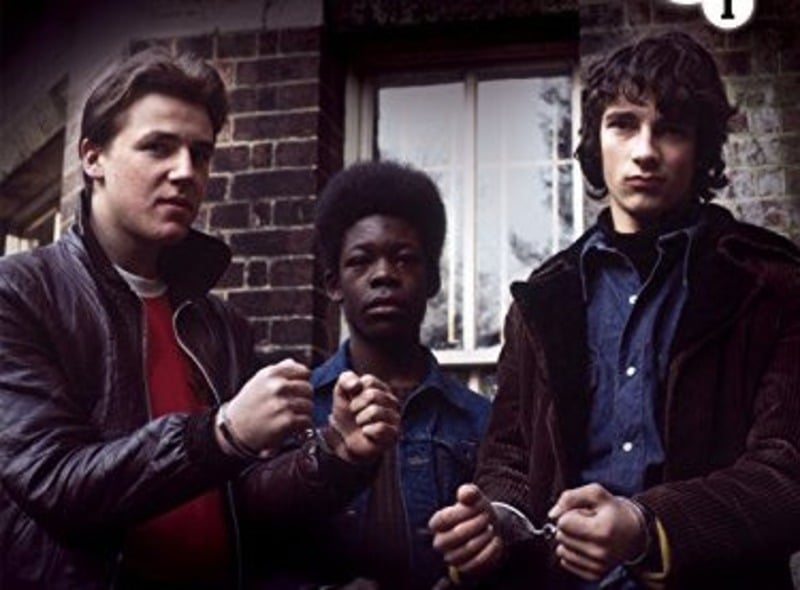
Reportedly good friends with Clarke and Minton, the pair sought the services of The Khan Band to pen a theme for Scum, both admiring Mike Khan’s music. The actual lyrical authorship is hazy, but ‘Wide Boy’—a somewhat dated UK term for a bloke operating outside mainstream society’s moral codes—has been claimed to have actually been written by Rick Lloyd of The Flying Pickets fame for the The Ghost of Daniel Lambert stage production.
With Sue Townsend’s play first debuting in 1981, ‘Wide Boy’ was either penned by Lloyd years in advance, or he’d come across Khan’s version and decided to rework it. In any case, the TV version of Scum had its perfect finale.
“After dark, I showed a gang / My brand new six-inch blade / I always knew I’d make it outta there / Always knew I’d make the grade,” croons Khan with a well of empathy that firmly feels anchored in the working-class dead ends and social failure that pulls the Borstal boy to an inmate’s life and further hardening.
While short and understated, Scum’s unremitting barbarism affords ‘Wide Boy’ with the drama’s heart, telling the audience plainly this is no exploitation picture but an investigative lens on a brutal system realised with utmost social responsibility.
Scum landed at the right time. With an increasing emphasis on modern efforts at rehabilitation, the Criminal Justice Act 1982 abolished the Borstal system and replaced it with Young Offenders Institutions and approved schools, a movement quite possibly accelerated by Scum’s 1979 feature film iteration’s impact on the national conversation.
“They call me the wide boy / But they can’t see / It’s just the wide-eyed man in me”.
With the Borstal confined to history, but the climate of economic neglect still depressingly cast over the country, Khan’s ‘Wide Boy’ scores a bleak chapter of UK history, capturing the offender conveyor belt and the hopeless cycle of violence that render the straight and narrow life ever further out of reach for those who pass through its doors.
