


Why you’re wrong about ‘women’s cinema’

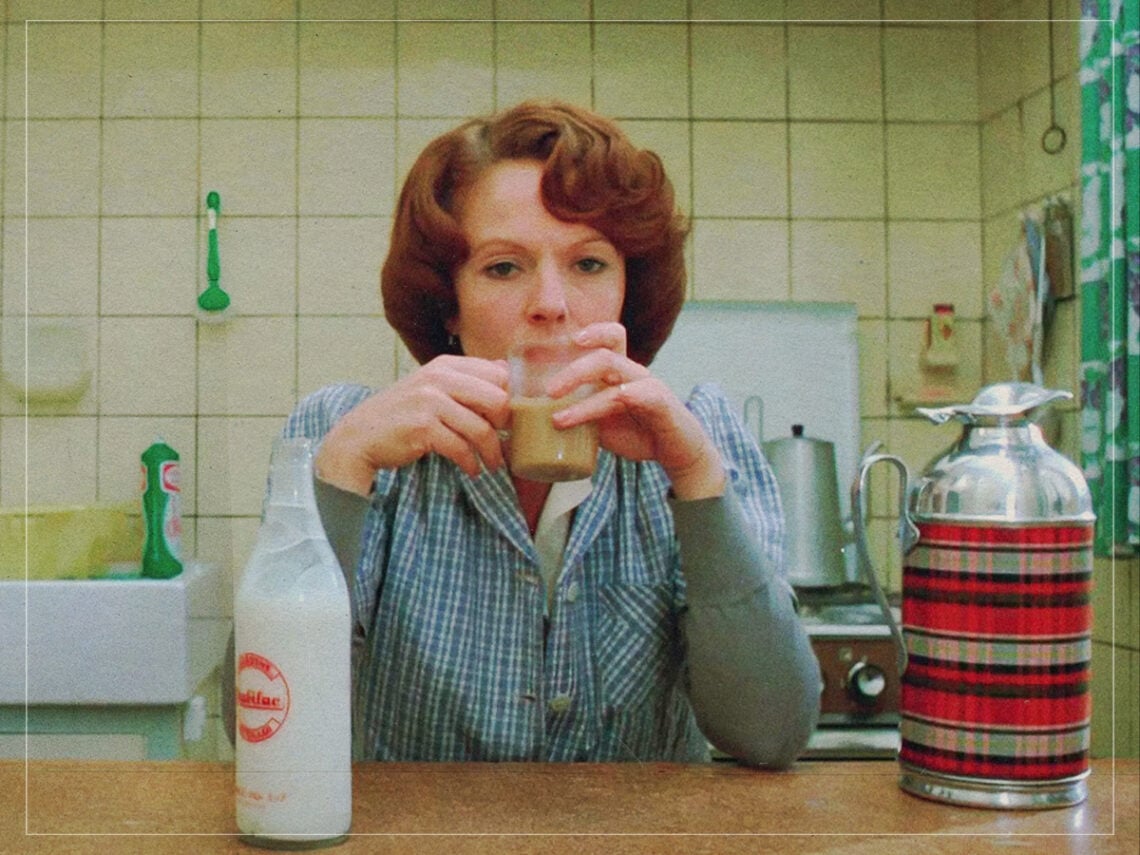
Why is it that the movies regularly hailed as the best films of all time are predominantly male-directed and led by male protagonists? It should sadly come as no surprise that this is the case, although recent years have seen a more diverse range of movies make it into the classic canon, like when the BFI’s Sight and Sound poll crowned Chantal Akerman’s Jeanne Dielman, 23 quai du Commerce, 1080 Bruxelles the greatest in 2022. Still, ask most people to name the best movies ever made, and you’ll hear titles such as Citizen Kane, 2001: A Space Odyssey, and The Godfather, which, while being great movies, make for an incredibly androcentric list.
The issue is, it’s rare for a female-led (let alone female-directed) movie to be given the same consideration in the cinematic canon of all-time greats, because for some strange reason, many men feel as though certain movies about women are simply ‘not for them’. It’s a phrase I’ve heard countless times when talking to various men in my life about movies. “I don’t think I’d like [insert rom-com or female-led coming-of-age film, for example], it’s not really made for people like me.”
Sure, there are some genres that just aren’t for certain individuals, and that’s fine. I, for one, have no interest in superhero films, and you’d really have to do some strong convincing (and possibly bribery) to get me to sit down and watch one. I’m very selective about war films and musicals, too – but put a British social realist drama or a campy old horror movie in front of me and I’m sold. We all have our preferences, but it feels as though there is an overwhelmingly large number of men who simply won’t entertain the idea of watching ‘women’s films,’ or they merely resort to calling them their guilty pleasures.
For some male viewers, the absence of a male protagonist can sometimes be off-putting. This might not be a conscious realisation, but I can guarantee that certain movies featuring a predominantly female cast would fare better at the box office if the same movie were made with male actors instead.
A great example is Napoleon Dynamite. It’s heralded as a classic coming-of-age movie that is highly esteemed in the comedy canon (who can forget his classic Jamiroquai performance?), but female-led comedies that emerged at the same time are typically seen as comedies for women. How is it that a male-led movie like Napoleon Dynamite is seen as being for ‘everyone’, but female-led movies like Slums of Beverly Hills or Uptown Girls are largely referred to as movies for female viewers with less widespread appeal? Superbad is another one – that whole era of male-centric 2000s comedy is highly coveted by many, but their female counterparts are seen as trashy rom-coms or ‘chick-flicks’.
It’s natural to want to identify with a movie’s leading character to some degree, but for years, women have had to find this sense of identification in countless male characters throughout cinema history. There are loads of movies out there that don’t even feature a single female character, yet many women still love and appreciate these films. It’s much rarer to find a movie with no male characters that is unanimously loved by men and women. The canon of great films has long tried to tell us that ‘male’ movies, like Jaws, Taxi Driver, Schindler’s List, Saving Private Ryan and Fight Club – and ‘male’ genres like westerns, crime dramas, and war movies – have an innate merit that is much harder to find in ‘female films’ and ‘female genres’.
What makes a movie about war and fighting more artistically rich than a movie about female friendships or motherhood, for example? Stories about and by women are much less frequently championed to the same degree, and the reason largely seems to be related to the fact that many men simply aren’t interested in watching a female character deal with stereotypically ‘female’ issues. Yet, watching films is an exercise in expanding your worldview, in gaining empathy for stories and people you might be unfamiliar with, and having your own views challenged. Why would you want to limit yourself merely to the kinds of characters you can relate to?
Many women I know have an equal appreciation for stereotypically female movies as they have for stereotypically male movies, while I can’t say the same about many men. Movies that appear to be ‘women’s films’ aren’t simply for female audiences, and it’s about time that more so-called cinephiles open their minds to this – genres typically associated with women, whether that be rom-coms or fantasy movies or period dramas, don’t have to be seen as ‘lesser’. At the end of the day, there’s an equally good and bad amount of rom-coms as there are action movies, but we all know which genre is held in higher esteem.
