


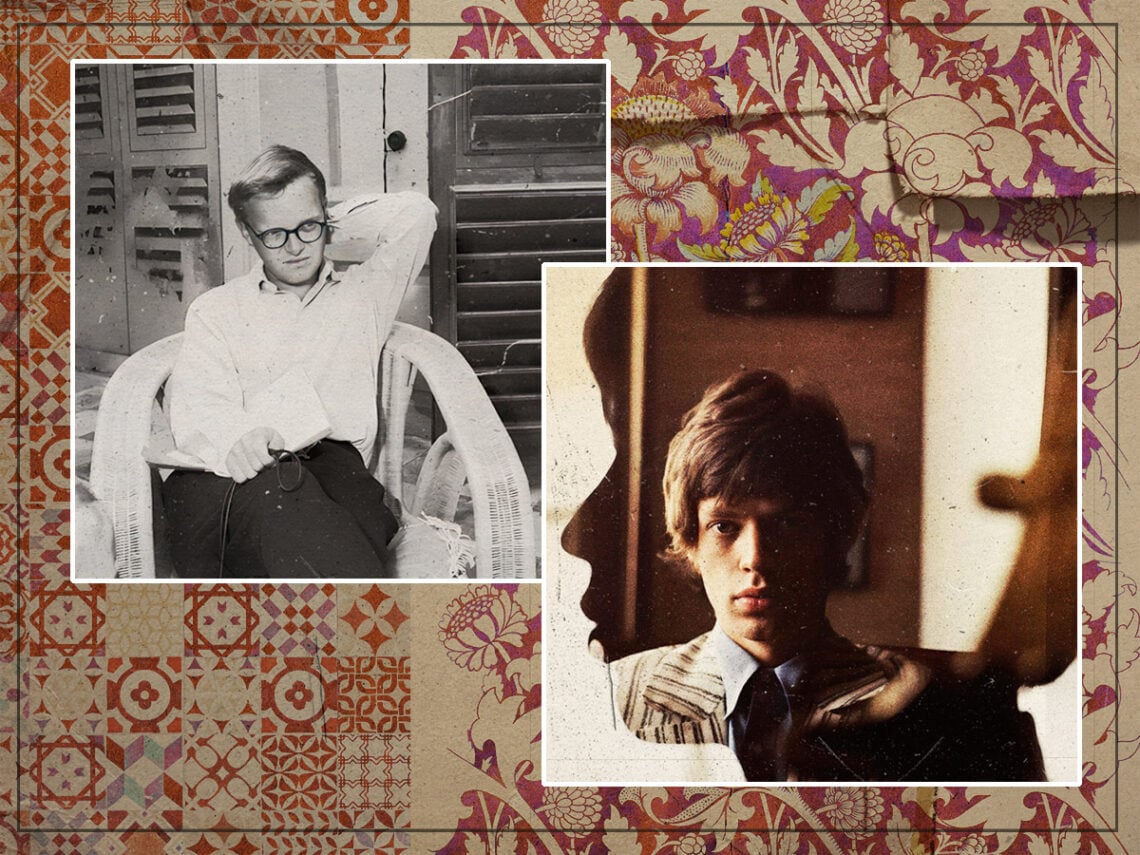
Why Truman Capote called Mick Jagger a “total actor”

Imagine a review about The Rolling Stones written by Truman Capote. That very thing almost happened in 1972, a time when Rolling Stone magazine sent the iconic American writer to cover the band’s Exile On Main St tour. However, months later, Capote simply couldn’t find the right words.
After spending a significant amount of time with the band, who were enjoying a new and dizzying peak of their success, Capote’s feelings on Mick Jagger were especially mixed, to say the least. The writer found that he couldn’t turn in the piece he was initially commissioned for because he struggled to get to the heart of the band.
“I thought it was amusing,” he told Andy Warhol in 1973 when the pair sat down to discuss the failed assignment. “I like the Rolling Stones individually, one by one, but the one thing I didn’t like was that they had—and especially the people around them—had such a disrespect for the audience.”
This was the thing that soured Capote against the British band, adding, “That used to really gripe me”. He continued: “It was like, ‘Who the fuck cares about them?’ Well, these kids have merely stood in line for twenty-seven hours, you know, and what not to go to their concert—they adore them and love them.”
Once the seed to dislike was planted, it seemed only to grow and grow, especially when it came to Jagger as he said plainly; “(a) he can’t sing; (b) he can’t dance; (c) he doesn’t know a damn thing about music.”
“I’m in no way trying to discredit him as a performer, because I think he’s an extraordinary performer,” Capote starts out, attempting to excuse the report that follows. “But what I think is amazing about him is that there is no single thing of all the things he does that he’s really good at,” he adds with a level of passive aggression.
“He’s not—he really can’t dance, and, in fact, he really can’t move,” Capote tells Warhol, defying the historic love for Jagger’s androgynous snake hips. “He’s moving in the most awkward kind of curious parody between an American majorette girl…and Fred Astaire.”
Similarly, Jagger’s singing came under fire: “Well, he can’t sing compared to, say, Billie Holiday. He can’t sing compared to Lee Wiley.” But Capote realised that’s really not the point of being a rockstar, adding, “It’s got nothing to do with the ability of a vocalist actually carrying the thing. Because Mick does not carry the thing. He carries it as a performer with his energy, drive and thrust.”
Jagger’s abilities as a performer were really his only saving grace to Capote. “He’s fascinating in the sense that he’s one of the most total actors I’ve ever seen,” he said, “He has this remarkable quality of being absolutely able to be totally extroverted.”
The change between the Jagger that Capote saw on stage versus the man behind the scenes fascinated and intrigued him, as he added: “But what makes it more remarkable is that the moment it’s done, it’s over. And he reverts to quite a private, sensible, and a more emotionally mature person than most actors and intellectuals are capable of being.”
Capote commented that Jagger is “one of the few people I’ve seen who’s able to do that extrovert thing, and then revert into another person almost instantly.”
But overwhelmingly, the writer seemed unimpressed, concluding that he didn’t turn in his article simply because “I just didn’t want to write about it, because it didn’t interest me creatively.”
