


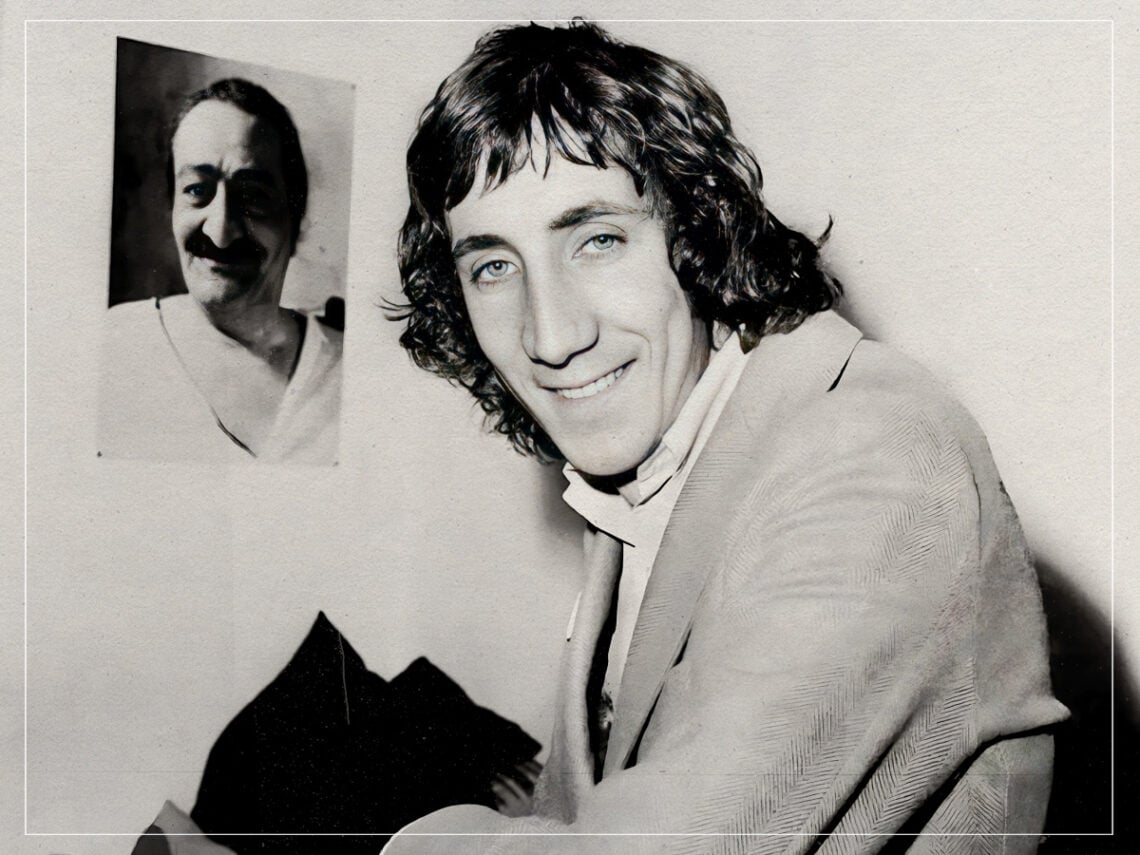
The real reason The Who’s Pete Townshend hated Woodstock: “They put LSD in the coffee”

Woodstock is lauded as a cultural moment for the ages. However, the story told by those who were actually in attendance is considerably different to the one the legacy it withholds. As is so often the case with landmark events, the being there and the legend it leaves behind in its wake are considerably different. While Woodstock was undoubtedly a seismic moment, it has been billed as a musical monolith of change. The truth is that the music at the event was really a bit of a by-product. The Who guitarist Pete Townshend, for example, had a miserable time at the event and later said he “hated” the experience.
The festival marked the end of the 1960s, and it was clear to many that things were on the brink of changing forever. Approximately 400,000 people made the voyage to Max Yasgur’s dairy farm in Bethel, New York, for the historic event, and it cemented the legacy of artists such as Janis Joplin, Jefferson Airplane, Jimi Hendrix, and The Who. However, the latter viewed the experience as just another show in the bank and seemingly moved on from any kind of life-changing experience as soon as they left the stage.
The English rockers refused to buy into any of the mythology surrounding Woodstock and planned on playing their set before immediately escaping the premises. They may well have been bundled in with the counterculture movement of the time but to think The Who were hippies would be to completely misunderstand them.
The Who, comprised of Townshend, Roger Daltrey, John Entwistle and Keith Moon, were four working-class lads from London who had begged, bought and borrowed to get their names up in lights. They weren’t looking for a revolution, they were looking to play some music, make a few bob and kiss some girls. They weren’t hippies, they were rock and rollers dressed in mod clothing. For them, it was simply about playing a rock ‘n’ roll show, which showed they could go toe-to-toe with any band on the planet. Everything else was ancillary to The Who.
When they arrived at the festival, the band instantly experienced culture shock. The mud, free love and unstoppable smell of marijuana smoke were a far cry from the amphetamine-driven riffs they were peddling, even as the decade neared its end. To compound their misery, the Woodstock organisers also had a logistical nightmare. They were waiting around for hours in the mud, and the band was utterly furious by the time they went on stage. To make things worse, Townshend was also spiked.
When asked about the cultural impact of Woodstock and what it changed, the guitarist was forthright in his response. He explained: “Well, it changed me, I hated it. I took my six-month-old child, and it was very weird. I didn’t like it all. They dumped us out of a limousine into six feet of mud, and we stood there for five hours waiting to go on.”
He continued: “I drank a cup of coffee, and five minutes later, I’m on an LSD trip, unwillingly. They put LSD in the coffee, LSD in the mud, if you fell over and accidentally drank some muddy water, you were on a trip.” The drug experience would be enough to put anyone off attending a festival again.
It wasn’t just Townshend who detested playing Woodstock; The Who frontman Roger Daltrey also shared his school of thought and later admitted it was an extremely difficult performance which he struggled his way through. “It was a particularly hard one for me, because of the state of the equipment,” he commented. “It was all breaking down. I’m standing in the middle of the stage with enormous Marshall 100 watt amps blasting my ears behind me. Moon on the drums in the middle. I could barely hear what I was singing.”
Daltrey continued: “Woodstock wasn’t peace and love. There was an awful lot of shouting and screaming going on. By the time it all ended, the worst sides of our nature had come out. People were screaming at the promoters, people were screaming to get paid. We had to get paid, or we couldn’t get back home.”
The entire day was a nightmare scenario for The Who, and everything that could possibly go wrong did just that. The glamourisation of Woodstock paints a picture of the festival, which contrasts with Townshend’s memory of the event. His comments defy the standard narrative we have been served up about the supposedly utopian weekend, and the truth perhaps lies somewhere in the middle.
