


The iconic western Steve McQueen refused to star in

A great film must be a well-oiled machine of parts working towards a common goal. While there are naturally always stars and leading roles, and despite what many people think, a movie set isn’t a place for one-upmanship or egos.
A movie is a living and breathing organism that requires every single cell pulling in the same direction for the greater good. So when it came to the possibility of Steve McQueen joining the cast of Butch Cassidy and the Sundance Kid, the potential collaboration seemed doomed from the very start.
Storming into cinemas right at the end of Hollywood and the audience’s interest in western movies, the 1969 retelling of the tale of Butch Cassidy and his gang was a roaring success. The picture has since come to be regarded as perhaps one of the defining movies of the genre, and it is hard to think how it would be damaged by the presence of McQueen.
There are multitudes of reasons why the film was a success. It could be chalked up simply to a great story, as the real lives of the outlaw figures were gripping and wild enough not to need much work to get a cinema crowd hooked. It could be down to that epic, heroic finale that defied the need for a happy ending in favour of a blaze of glory.
Or, and perhaps most likely, this is why McQueen would put his foot in where it wasn’t wanted; its success comes down to the incredible performances put in by its two lead actors.
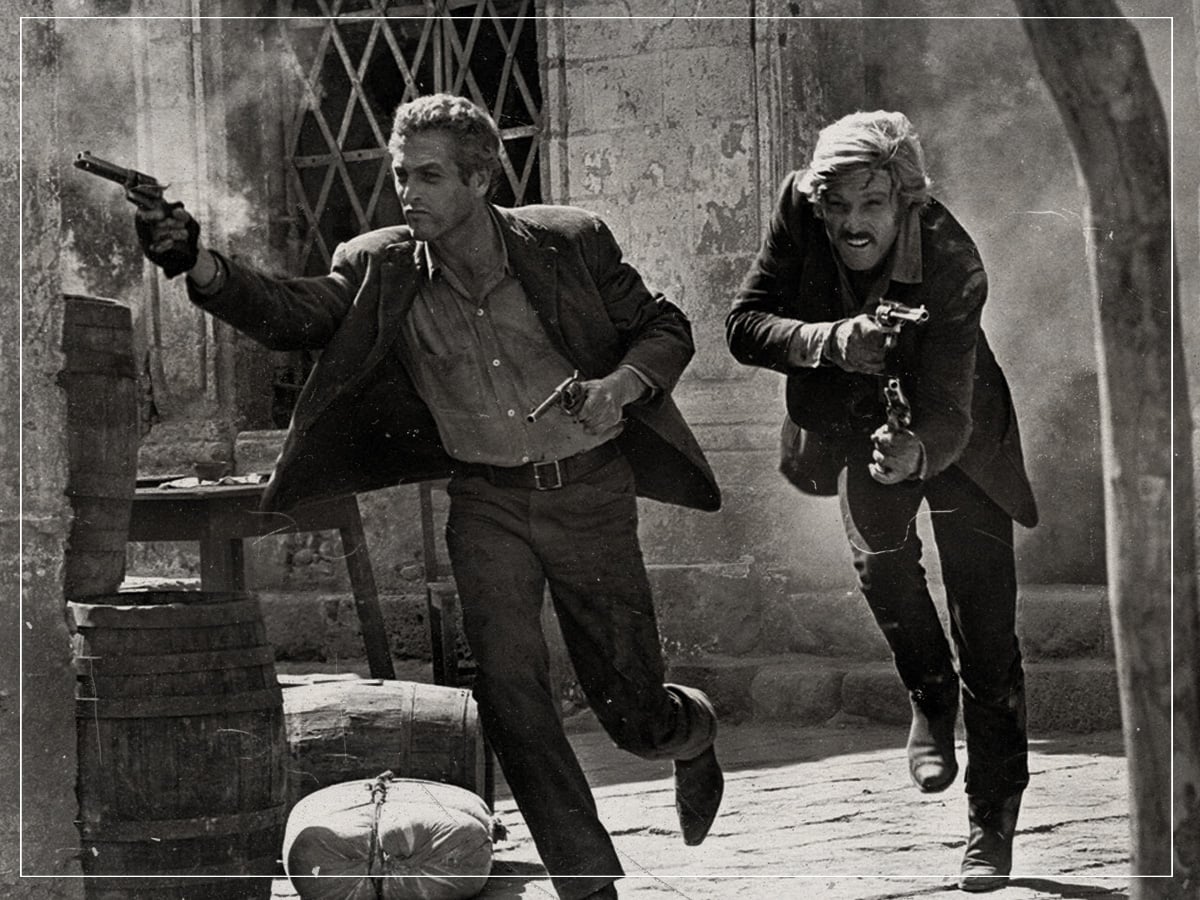
It’s impossible to imagine the film without Paul Newman and Robert Redford playing the infamous duo. Newman’s take on Cassidy is charismatic and charming, while Redford’s take on his sidekick, the Sundance Kid, is surprisingly introspective and endearing. The pair have perfect on-screen chemistry, writing themselves into the history books as one of the most powerful two-piece combinations in 20th-century cinema.
But it almost didn’t happen like that. Originally, the team were angling for Steve McQueen to play the Sundance Kid instead. According to the writer, William Goldman, McQueen, and Newman read the script at the same time, and both agreed to the roles, which seemed like a perfect fit for the film.
However, even though Newman was cast in what is undoubtedly the protagonist role, he seemed more understanding about the need for the outlaw duo to work together as a team. McQueen, in contrast, seemed more focused on his own name. He wanted his name above the poster, he wanted the fame, and he wanted the glory. It became a part of most movies he was involved in. McQueen may well have been the ‘King of Cool’, but he was quite insecure about his position.
By this point, McQueen was a staple in westerns. His roles in films like The Magnificent Seven and Nevada Smith had solidified his star power in the genre especially. By this point, he had starred in more movies than his castmate, but Newman’s star was rising fast, putting them on somewhat of an equal footing.
McQueen didn’t see it that way, nor did he seem to see that his role as the Sundance Kid was a sidekick to Cassidy’s star. When it came to signing contracts, the actor demanded that he have first billing on the credits, requesting that his name be put above Newman’s. It’s a laughable demand considering the very simple fact that the film is called Butch Cassidy and the Sundance Kid, not The Sundance Kid and Butch Cassidy.
The film tried to find a compromise, even suggesting a wild middle-ground idea that half of the film prints be sent to cinemas with Newman’s name first and the other half sent with McQueen’s name first. But no art can be built on ego, and no team can get started on a footing so rocky.
In the end, McQueen walked away from the role, leaving it wide open for Robert Redford to come in and put in one of the most memorable performances in American film history. Sure, it’s important to know your worth and protect your star power, but as Butch Cassidy and the Sundance Kid became the top-grossing film of 1969 and one of the most beloved westerns ever made, McQueen likely regretted his self-importance.
