


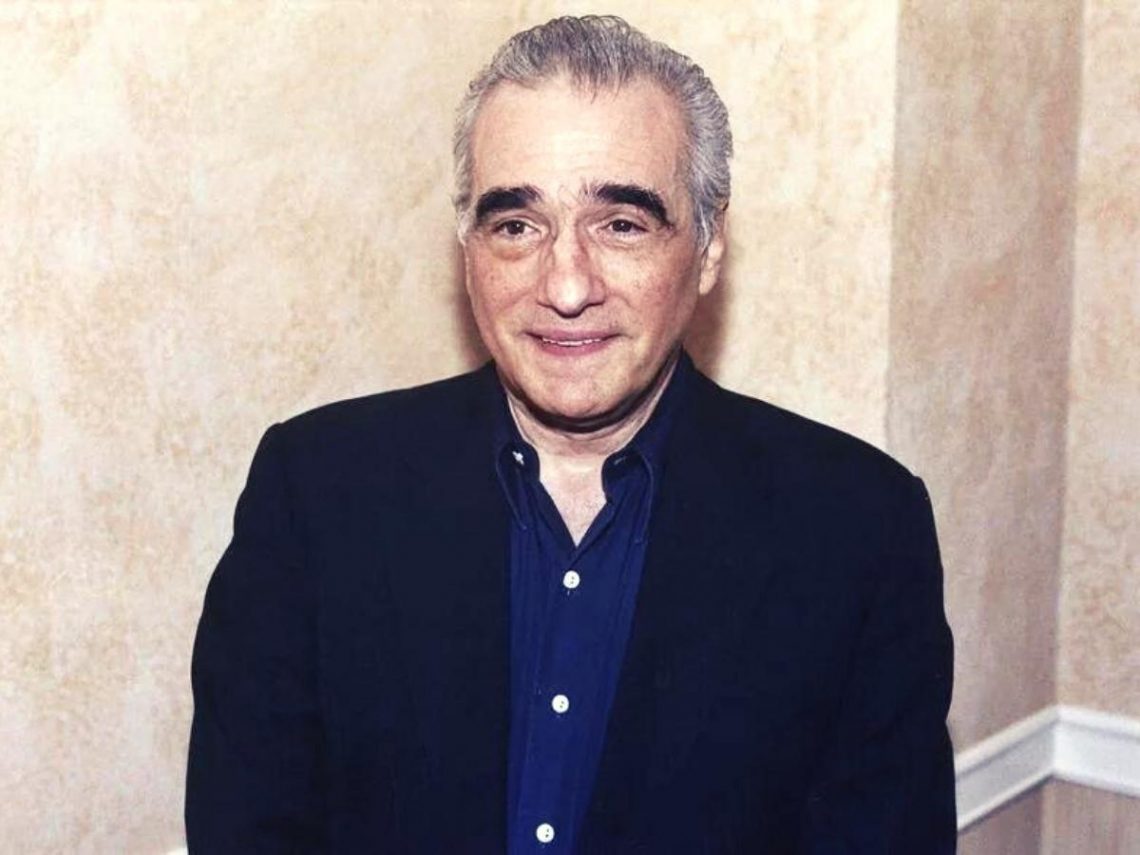
Why Martin Scorsese turned down directing ‘Silence of the Lambs’

Hollywood is simply bristling with ‘what-if’ moments. Those sliding doors situations where an actor or director misses out on being a part of a production through scheduling, creative or personality issues. They are often some of the most tantalising prospects that cinema has to offer, and the thought of Martin Scorsese behind any horror movie, let alone the thrill-a-minute classic featuring Jodie Foster and Anthony Hopkins, Silence of the Lambs, has left our mouths watering.
Martin Scorsese requires little introduction to anybody who has even happened to catch a whiff of popcorn over the last 50 years. His work on projects such as Taxi Driver, Raging Bull, Goodfellas, Mean Streets, The Irishman and a whole host more are not only commendations for his talent and persistent dedication to cultivating his craft, but they act as milestones in the movie business at large. It’s fair to say, that across the last five decades, no one director has been more influential than Marty. However, when looking at his work, there is one blind spot — Scorsese has never directed a horror movie.
That’s not t suggest he doesn’t like the genre. He once delivered a comprehensive list of his 11 favourite horror movies of all time, including The Shining, about which he told Daily Beast: “Kubrick made a majestically terrifying movie, where what you don’t see or comprehend shadows every move the characters make.” It makes it even more curious that the diminutive director has never broached the subject of scaring his audiences, not that he hasn’t had the chance to do so.
When speaking with Michael Dwyer of the Irish Times in Dublin back in 1998, the Goodfellas director confirmed that he had initially been offered the chance to helm the Hannibal Lecter-led thriller Silence of the Lambs. The film is regarded as one of the best from the decade. Directed by Jonathan Demme, the movie sees Jodie Foster, as detective Clarice Starling, play opposite a commanding Anthony Hopkins as Hannibal. It’s a production built on tension, expert performances and a sense of drama that is rarely captured within the horror movie genre.
The movie also generated many award nominations and wins, including picking up several highly-prized Oscars, including Best Picture, Best Actor, Best Actress, Best Director and Best Writing. It’s a serious haul for a horror film, and something that Scorsese is sure would never have happened if he had been the director of the movie. “If I’d directed it, it wouldn’t have won any Oscars.” Scorsese to Dwyer back in ’98.
“No, I mean it, because the book has all these very violent scenes,” Scorsese continued, “and the way I work is I show things. So we went through the book, and I was saying, we gotta show that. And they were like ok, but you’re not gonna show that? And I said, yeah, am, I’m gonna show it.”
For Scorsese, a director and artist who rarely shies away from the brutality of humanity, the need to be closely aligned with the book’s violence would have been an essential part of his filmmaking process. “And it went on like that, and we figured out that if I filmed this book, nobody’s gonna want to see it. And Jonathan Demme did a masterful job and managed not to show that much! So I was right to say no.”
Scorsese might not ever take on a horror movie. The director’s penchant for exposing the visceral nature of society has its place within the dramatic stories he tells, but in a genre where so much of the highest art is delivered with subtlety and subversion — much like Stanley Kubrick achieved with The Shining — his desire for brutality would have overwhelmed most tales. Scorsese is certainly a master craftsman when it comes to cinema, but perhaps his greatest gift is understanding his weaknesses.
