


Why have contemporary live music programmes died out?

Music and television are two of the most digested forms of media, and it’s fair to say that both go nicely hand in hand and have enjoyed a beautiful relationship with one another over the years. If there’s an artist you’ve always wanted to see but have never had the opportunity to do so in the flesh, then the next best thing is surely to witness them on the small screen from the comfort of your home. There’s also the factual entertainment aspect of music television programming, which has the capacity to teach you more about your favourite band through interviews, more so than seeing them perform live usually would.
From the 1960s to the 1990s, there was an abundance of thriving music broadcasts on British television and beyond, such as Ready Steady Go, The Old Grey Whistle Test and even Top of the Pops. While The Old Grey Whistle Test was celebrated in particular for its host, Bob Harris, and his wealth of knowledge about the diverse range of acts he had appeared in the studio, the other two were largely about entertaining the masses and featured some of the biggest chart-topping names.
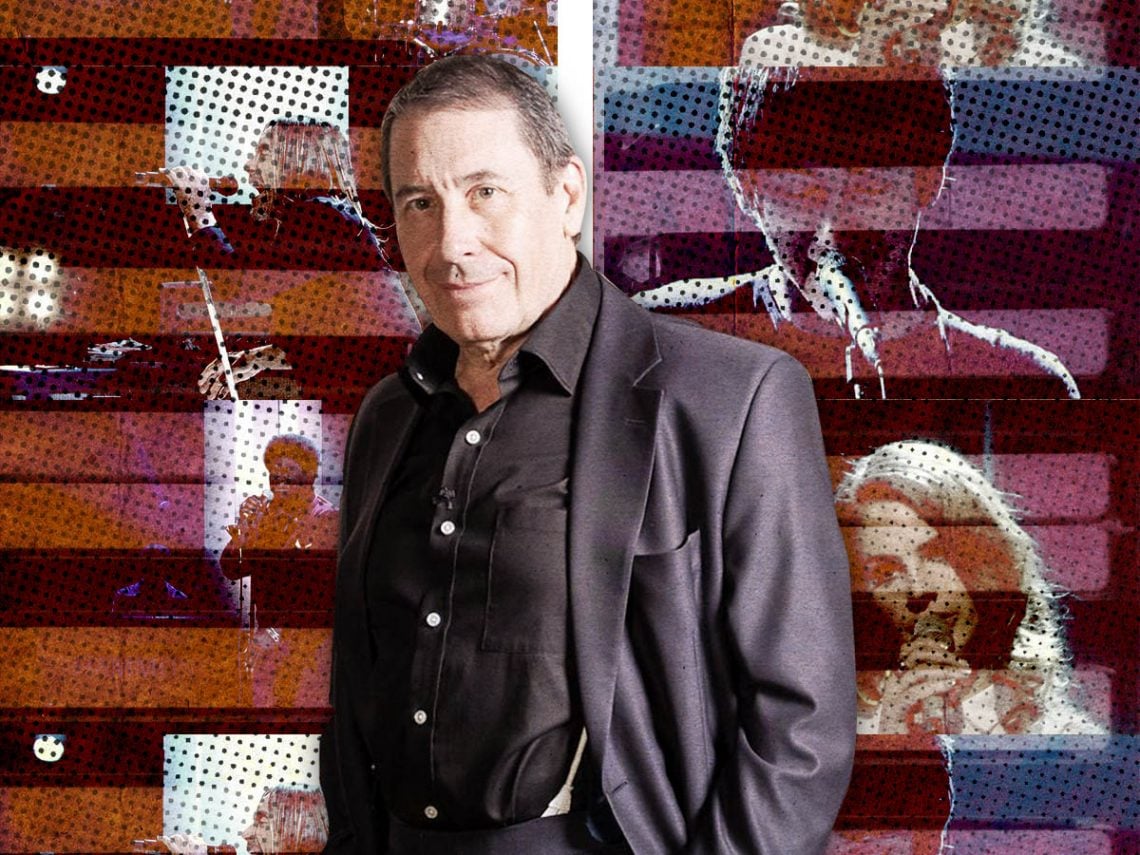
In the 1980s, after Ready Steady Go had long ceased broadcasting and The Old Grey Whistle Test was on its last legs, The Tube arrived with a new and more contemporary approach to music broadcasting that boasted an ensemble roster of hosts and helped give birth to a new generation of artists. One of its main hosts was a young Jools Holland, who, after the demise of The Tube after five series, went on to start his own show, Later… with Jools Holland, in 1992.
That was over 30 years ago now, and Later is still broadcast on our screens to this day, but you might be wondering what other parts of history have been glossed over from that interim period. The answer is, sadly, nothing. Later is virtually all there is left on mainstream British television in terms of music programming, and that’s all there really has been aside from more generalised chat shows since Top of the Pops ceased broadcasting in 2006. The question is, why are there no more shows that offer alternatives to what Later does?
The demand for discovering new music has not died, but it has shifted with the times, and with younger audiences more captivated by online content, it suddenly becomes less surprising that there are fewer programmes dedicated to showcasing new talent in a primetime slot. YouTube series such as NPR’s Tiny Desk Concerts and Seattle radio station KEXP’s live sessions are a more popular way of consuming live studio sessions of newer bands, with some of the most viewed editions receiving hundreds of millions of views.
Both series display a broad range of artists to cater to different audiences, with rappers, indie rock groups and artists from hidden corners of the world all receiving attention through these platforms and, in some cases, getting an opportunity to discuss their craft in interviews with the hosts, but there isn’t anything that offers a direct alternative, where another swiftly follows one band in a true variety showcase. People are given the option to dip into either watch Chappell Roan or Osees, and there’s no world in which the two co-exist within the same broadcast in a bizarre attempt to broaden the musical horizons of viewers.
There’s absolutely no reason why a streaming giant like Netflix or a dedicated YouTube channel can’t offer something like Later does, with six or seven different acts each playing a couple of songs within one edition of the same show, and it’s hard to imagine there being pushback for diverse artists being platformed in the same space. What is evident is that people still enjoy watching musical performances from the comfort of their own homes, and having an alternative provision for this is surely not a terrible idea.
